
Lawn
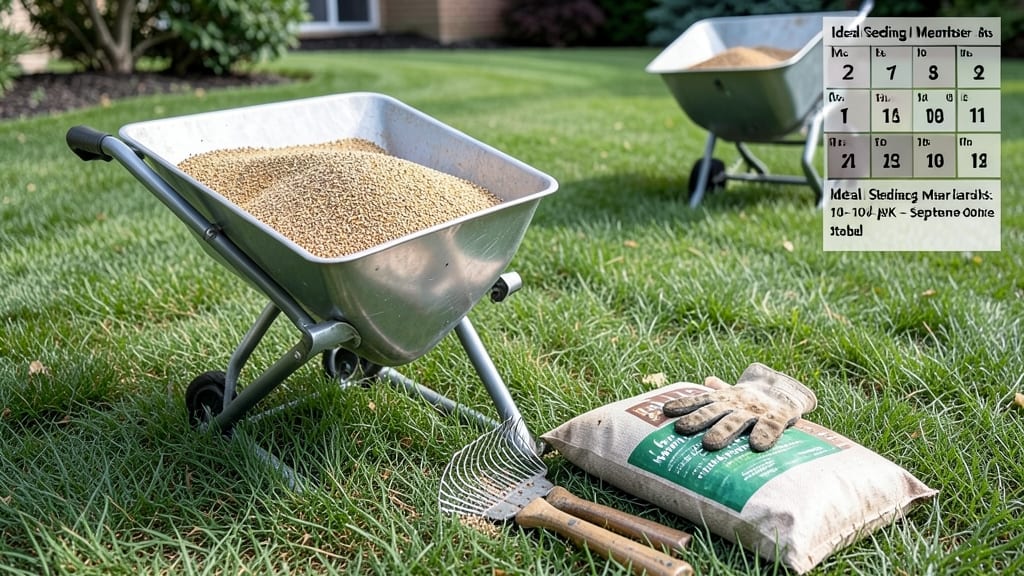
To seed and fertilize lawn at the right time means the difference between a thick, vibrant carpet of grass and a patchy, weed-infested mess.
Picture this: you’ve spent the day spreading seed and fertilizer, only to watch it bake under a sweltering summer sun or freeze in a late spring frost. The wrong timing wastes money, effort, and your patience—especially when you could have a lush lawn all year with just a few adjustments.
Most lawns thrive when seeded in early spring or fall, but the exact window depends on your grass type and climate. Cool-season grasses like Kentucky bluegrass love the mild temperatures of spring and fall, while warm-season grasses like Bermuda prefer the heat of late spring.
Fertilizer, too, has its best moments: too early, and nutrients get washed away; too late, and your grass struggles to establish.
In this guide, I’ll break down the perfect seeding and fertilizing schedule for your region, whether you’re in the Northern or Southern Hemisphere, and share the common mistakes that turn good intentions into wasted work. Let’s get that lawn looking its best.
Best times to seed a lawn for maximum germination and growth
Timing your lawn seeding correctly is the difference between a thick, vibrant lawn and a patchy, weed-infested mess. The best windows are early spring and early fall, when temperatures and moisture levels create ideal conditions for seed germination.
But these windows shift based on your climate zone and grass type—cool-season vs. warm-season grasses have completely different needs.
Cool-season grasses like Kentucky bluegrass and fescue thrive in 40-75°F soil and prefer spring or fall seeding. Warm-season grasses like Bermuda and Zoysia need 65-85°F soil and are best seeded in late spring or early summer.
Miss these windows, and you risk slow germination, weed invasion, or even seed death from extreme heat or cold.
Regional adjustments matter too. In the Northern U.S., aim for April-May or August-September seeding. In the South, shift to March-April or September-October to avoid summer heat stress.
Always check your last frost date—seeding too early can bury seeds under frost, while waiting too long may mean weeds take over before your grass establishes.
Soil temperature is your best guide, not just calendar dates. Use a soil thermometer to confirm conditions—cool-season grass seeds need 50-65°F soil, while warm-season varieties require 70-85°F. If your soil is too hot or cold, wait a week or two for better results.
Before seeding, prep your soil with 2-3 inches of compost and a light raking to create a fine seedbed. Remove debris and level uneven areas to ensure even seed distribution.
Overlap your passes by 10-15% to avoid thin spots. This prep work ensures maximum seed-to-soil contact, which is critical for uniform germination.
| Season | Ideal Months (US) | Soil Temp Range | Grass Types | Prep Steps |
|---|---|---|---|---|
| Spring | March-April (North) / Feb-Mar (South) | 50-65°F (Cool-season) / 70-85°F (Warm-season) | Kentucky Bluegrass, Fescue, Ryegrass (Cool) / Bermuda, Zoysia (Warm) | Test soil pH (6.0-7.0), till 2-3", add compost, rake smooth |
| Fall | August-September (North) / Sept-Oct (South) | 50-65°F (Cool-season only) | Tall Fescue, Perennial Ryegrass (Cool-season) | Aerate compacted soil, top-dress with compost, light raking |
| Summer (Warm-season only) | May-June (South) / June-July (North) | 70-85°F | Bermuda, St. Augustine, Centipede | Water soil deeply 24 hrs before seeding, use shade cloth if temps >90°F |
Spring seeding gives your lawn a head start on summer growth, but fall is often the best time for cool-season grasses. Cooler temperatures reduce water stress, and longer daylight hours encourage root development before winter.
If you seed in spring, prioritize shade protection for young seedlings to prevent heat damage.
After seeding, keep the soil consistently moist (not soggy) for 14-21 days—this is when seeds germinate and roots establish. Use a light mulch (straw, not hay) to retain moisture and protect seeds from bird predation.
Avoid walking on the area until the grass is 2-3 inches tall to prevent seed displacement.
Regional microclimates can shift these windows by 2-4 weeks. For example, mountain regions may seed 2 weeks later in spring due to lingering frost, while coastal areas can start earlier thanks to milder temperatures. Always monitor local weather forecasts and adjust your timeline accordingly.
Pro tip: If you’re overseeding an existing lawn, choose a mild day (50-70°F) with light winds to minimize seed loss. Water lightly before seeding to help seeds settle into the soil, then apply a starter fertilizer with high phosphorus (e.g., 5-10-5) to boost root growth.
Remember, patience is key. Germination can take 7-21 days depending on conditions. Resist the urge to reseed if you don’t see immediate results—
Fertilizer schedule: when and how to feed your lawn for thick grass
Timing your lawn's fertilizer applications is just as critical as seeding. A well-planned schedule ensures your grass gets the nutrients it needs when it needs them most.
For cool-season grasses like Kentucky bluegrass or fescue, focus on spring and fall feeding, while warm-season grasses like Bermuda or Zoysia thrive with late spring and summer feeding. The key is matching fertilizer types to your grass type and climate zone.
Before you apply any fertilizer, conduct a soil test to determine your lawn's pH and nutrient levels. Most grasses prefer a pH between 6.0 and 7.5. If your soil is deficient in nitrogen (N), phosphorus (P), or potassium (K), adjust your fertilizer blend accordingly.
For example, a 25-0-5 ratio is ideal for new lawns needing nitrogen boosts, while established lawns may benefit from a 10-10-10 balanced formula.
📅 Step-by-Step Fertilizer Schedule for Thick Grass
- Pre-Seeding (4-6 Weeks Before): Apply a low-nitrogen starter fertilizer (e.g., 10-10-10) to prepare soil. This ensures nutrients are available when seeds germinate.
- Post-Seeding (After Germination): Switch to a high-nitrogen fertilizer (25-0-5) to promote rapid blade growth. Apply when grass reaches 3-4 inches tall.
- Spring Feeding (Early April): Use a slow-release fertilizer (30-0-4) to encourage root and shoot growth. Water thoroughly after application.
- Summer Maintenance (June-August): Apply a light feeding (10-0-20) every 6-8 weeks to sustain growth during heat stress. Avoid high-nitrogen fertilizers in extreme heat.
- Fall Feeding (Early September): Use a high-phosphorus fertilizer (10-20-10) to strengthen roots before winter. This is crucial for cool-season grasses.
- Winter (November-March): Skip fertilization entirely. Grass is dormant and won’t absorb nutrients, risking runoff and environmental harm.
Organic options like composted manure, fish emulsion, or bone meal are excellent for slow-release nutrients and improving soil health. Synthetic fertilizers, however, provide immediate results and are ideal for quick fixes.
For example, milorganite (organic) is great for spring feeding, while ammonium sulfate (synthetic) delivers fast nitrogen for summer recovery.
Always apply fertilizer in the early morning to avoid leaf burn from afternoon heat. Use a spreaders for even distribution, and water your lawn deeply afterward to activate nutrients and prevent runoff.
For new lawns, split fertilizer applications into two light feedings instead of one heavy dose to avoid overwhelming young roots.
Monitor your lawn’s response to fertilization. If you notice yellowing grass, reduce nitrogen. For brown patches, check for overwatering or fungal issues. Adjust your schedule based on your grass type’s growth patterns—cool-season grasses grow best in 50-75°F soil temperatures, while warm-season grasses thrive in 75-95°F.
Consistency is key. Stick to your 6-8 week feeding schedule during the growing season, and always pair fertilization with proper mowing height (2-3 inches) and watering depth (1 inch per week). With the right timing and nutrients, your lawn will reward you with dense, weed-resistant grass year after year. 🌱