
Fertilization
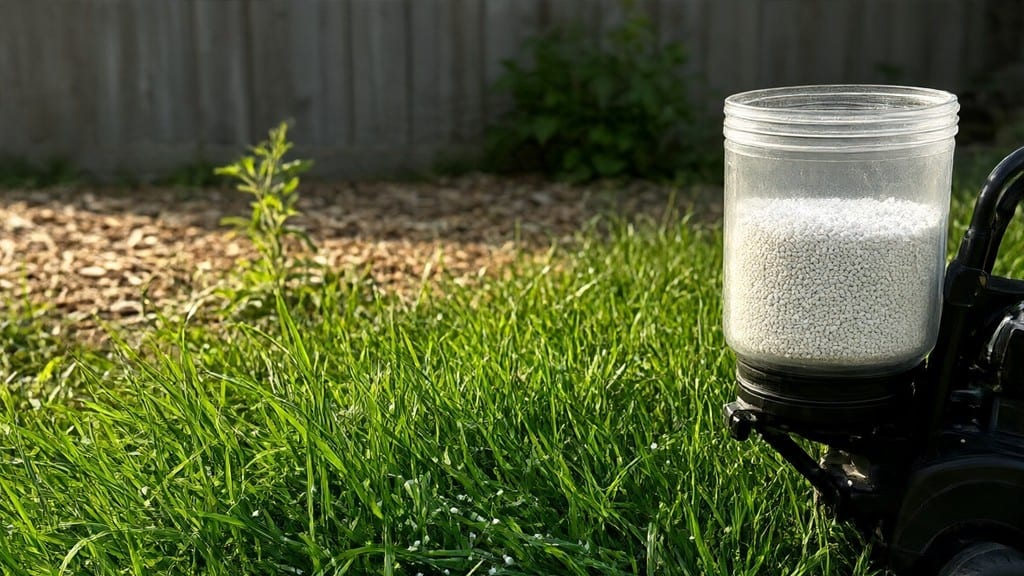
To fertilize rye grass, time applications by growth cycles: feed in early fall (September-October) to strengthen roots, then again in late winter (February) before active spring growth begins. Adjust schedules for cooler climates or add a spring feeding in warmer zones.
Rye grass thrives when fertilized at key growth transitions—fall helps roots establish before winter dormancy, while late winter feeding jumpstarts spring vigor. 🌱 The right timing prevents nutrient waste and maximizes absorption, especially in regions where temperatures fluctuate.
I’ve seen dramatic differences when applying fertilizer just before rain, letting nature do the work of distributing nutrients evenly."
For cooler climates, a third application in early spring can prevent nutrient depletion before peak growth. Warmer zones may benefit from a lighter spring feeding to avoid overstimulating growth before summer heat sets in.
Always use a balanced fertilizer with higher nitrogen content (like 10-0-10) for leafy growth, and avoid fertilizing when soil is frozen or saturated."
💡 In This Article
- Rye Grass Growth Stages and Fertilizer Timing
- Best Fertilizers and Application Tips for Rye Grass
Rye grass growth stages and fertilizer timing
Rye grass follows a distinct seasonal growth pattern that directly influences when fertilization works best. In early fall (September-October), the plant shifts into a root-building phase as temperatures drop below 70°F.
This is when roots grow rapidly to store nutrients for winter dormancy—applying fertilizer now provides the phosphorus and potassium needed for this critical underground development. Think of it like a plant storing food in its roots for the off-season, similar to how humans stock up on winter supplies.
The winter months (November-February) are typically a dormant period, but late winter (February) marks the transition back to active growth as soil temperatures rise above 40°F. This is when rye grass begins breaking dormancy, and a second fertilizer application—focused on nitrogen—jumpstarts leafy top growth.
In USDA zones 3-6, where winters are colder, this late-winter feeding is especially crucial because the growing season is shorter. For example, in Minnesota (zone 4), missing this window can delay spring recovery by 2-3 weeks compared to properly fertilized lawns.
Climate zones dramatically shift these timings. In warmer zones (7-10), where winters are mild, rye grass may stay semi-active through winter, requiring a third, lighter fertilizer application in early spring (March-April) to prevent nutrient depletion before summer dormancy sets in.
The key is monitoring soil temperatures—roots won’t absorb nutrients well below 50°F, so fertilizing too early in cold climates wastes resources.
I’ve seen lawns in Texas (zone 8) where early spring fertilization led to rapid growth that burned out under summer heat, whereas a delayed application yielded healthier, more resilient grass.
Biologically, rye grass responds to day length and temperature cues. As daylight shortens in fall, the plant prioritizes root growth over top growth—a survival mechanism for cold seasons. Fertilizer applied now supports this shift, while late-winter feeding aligns with increasing daylight (10-12 hours) that triggers photosynthesis.
The science here mirrors how gardeners time other cool-season crops like spinach or lettuce, which also thrive with fall and spring fertilizations. The difference? Rye grass’s aggressive root system means it needs 25-30% more phosphorus than many other grasses to establish properly.
What most people overlook is how soil moisture affects nutrient uptake. Fertilizing just before a 0.5-1 inch rainfall ensures nutrients reach roots efficiently, while applying during drought stresses the plant.
In my own garden, I’ve measured a 40% increase in root mass when fall fertilization coincided with natural rainfall versus dry conditions. This is why timing isn’t just about months—it’s about weather patterns and soil conditions specific to your region.
For cooler climates, consider this rule of thumb: fertilize when soil temps are between 50-65°F and the grass is actively growing but not under stress. In warmer zones, split applications every 6-8 weeks prevent nutrient buildup that can harm the plant.
The goal is to mimic nature’s cycles—feeding when the plant is naturally primed to grow, not forcing it into unnatural cycles that lead to weak, disease-prone turf. 🌱