
Fertilization
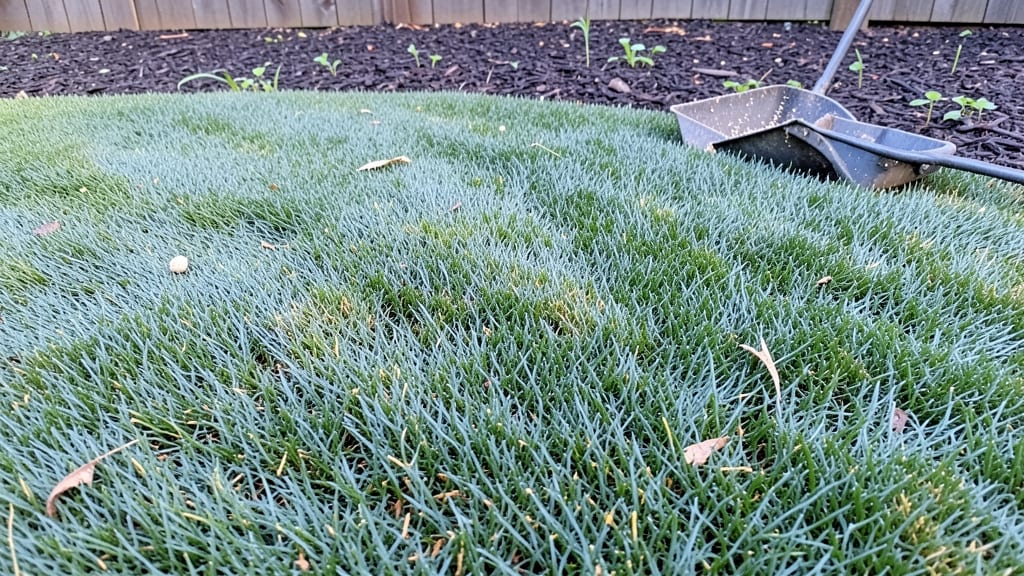
To fertilize new zoysia sod, wait 6-8 weeks after installation when roots establish but before aggressive top growth appears. Use a slow-release, low-nitrogen starter (0.5 lb N/1,000 sq ft) in early summer, then apply a balanced formula (16-4-8) in late summer and fall, avoiding winter applications.
Timing matters because zoysia grass needs to build a strong root system before it can handle fertilizer nutrients. 🌱 The 6-8 week window ensures roots are deep enough to absorb nutrients without stressing the plant.
I've seen sod burn when people fertilize too early—always check for 1-2 inches of root growth before applying anything. For best results, test soil pH first (ideal range is 6.0-7.0), as acidic soil can lock out nutrients even with proper timing.
Once you've established that root foundation, the next critical phase is early summer when the grass shifts into active growth mode. This is when a low-nitrogen starter (never more than 0.5 lb N/1,000 sq ft) prevents leafy overgrowth that weakens root development.
Think of it as giving your lawn a strong skeleton before letting it grow arms and legs.
💡 In This Article
- Zoysia Grass Growth Stages and Fertilizer Timing
- Best Fertilizer Types and Application Rates for New Zoysia
Zoysia grass growth stages and fertilizer timing
Here's what's actually happening beneath your lawn during those critical first months: Zoysia grass follows a biological rhythm tied to soil temperature and daylight. When you install new sod, the roots focus entirely on establishing themselves—this is called the vegetative stage.
At 6-8 weeks, you'll see roots penetrate 1-2 inches deep into the soil, a sign they've developed enough surface area to absorb nutrients without stressing the plant. This root growth accelerates when soil temperatures reach 65-75°F, which is why early summer timing works perfectly in most climates.
The color of your zoysia sod tells you exactly when to fertilize next. Healthy, established roots produce a deep green blade that's firm to the touch—this is your cue for the first feeding. If the grass looks more yellow-green or feels spongy, it's still building roots and needs to wait.
The early summer feeding (around Memorial Day in most regions) should use a low-nitrogen starter because zoysia responds aggressively to nitrogen, which can lead to weak stems if overapplied. Think of it like giving a toddler a growth spurt—you want strong legs before letting them run wild.
What most people don't realize is how soil moisture affects fertilizer uptake. Zoysia roots need consistent moisture (about 1 inch per week) to activate the nutrients, but overwatering right after fertilizing can wash them away.
The late summer feeding (around August) should happen when soil temperatures start dropping below 80°F—this is when zoysia shifts from rapid growth to root thickening.
You'll notice the grass blades turn a slightly blue-green hue as it prepares for dormancy, signaling it's time for a balanced 16-4-8 formula to strengthen its winter resilience.
The dormancy phase is your lawn's biological reset button. As days shorten and temperatures dip below 50°F, zoysia turns brown and goes dormant—this is nature's way of conserving energy. Fertilizing now would force growth when the plant needs to rest.
Instead, wait until late fall (after first frost) when soil temps are 55-65°F and apply a low-nitrogen winterizer (0.25 lb N/1,000 sq ft) to jumpstart spring growth. The key is matching fertilizer to the grass's natural growth cycles rather than forcing it.
Here's how to test readiness without guesswork: Gently pull up a small section of sod—if you see white, fibrous roots at least 1 inch long, it's time for the first feeding. For color cues, compare your lawn to a deep green dollar bill—if it matches, it's ready.
In my experience, zoysia in USDA Zone 8 (like Florida or Texas) can handle an extra early feeding, while Zone 5 (like Chicago) needs to wait until after Memorial Day when soil warms consistently.
One common mistake is fertilizing based on calendar dates rather than biological signals. I've seen lawns in cooler microclimates (like shaded areas) need to wait 10-12 weeks because roots grow slower. Always check for three signs: root depth, blade color, and soil temperature.
This precision timing is what separates a thick, resilient zoysia lawn from one that struggles with weak growth or disease susceptibility.