
Lawn
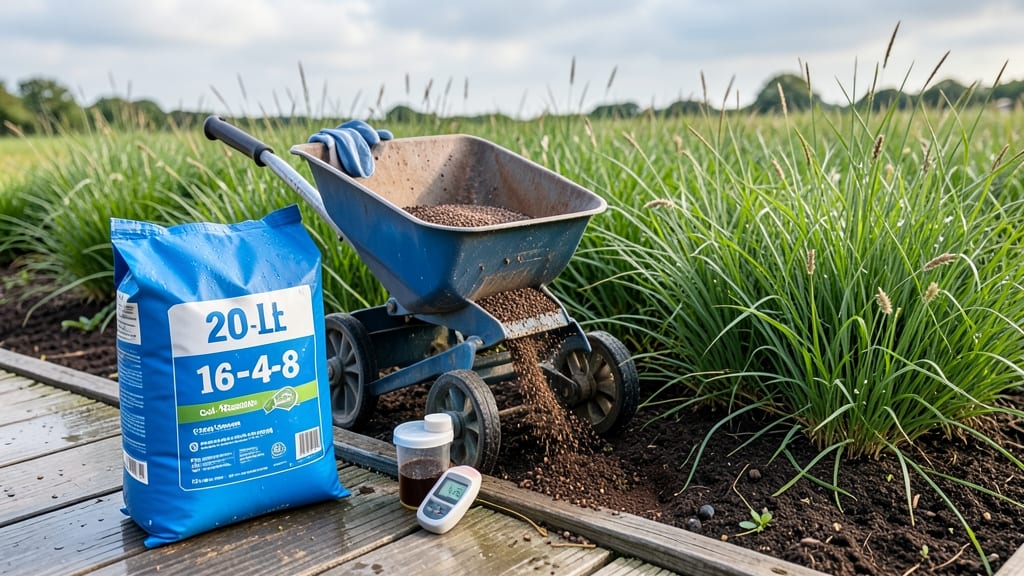
To fertilize lawns at the right time means catching your grass in its most active growth phases—spring and fall—when it soaks up nutrients like a sponge 🌱.
Picture this: You spread fertilizer in July, expecting a lush lawn by Labor Day, only to watch it burn under the heat. Or you skip the fall feeding, and your grass turns dull by winter.
Timing isn’t just about when—it’s about how your grass type and climate zone dictate the schedule.
Cool-season grasses like Kentucky bluegrass thrive with early spring and fall feedings, while warm-season Bermuda grass needs summer applications. Miss the window, and you’re either wasting money or starving your lawn.
Below, I break down the exact months for your grass type, climate zone, and even how to adjust for new vs. established lawns.
You’ll learn the three golden rules of fertilization timing, plus how to spot over-fertilization before it’s too late. Ready to turn your lawn from lackluster to showstopping?
Best fertilization timing by grass type: cool-season vs. warm-season schedules
Fertilizing your lawn at the right time is like giving your grass a perfect meal—timing matters more than the amount. Cool-season grasses like Kentucky bluegrass and fescue thrive with early spring and fall feedings, while warm-season grasses such as Bermuda and Zoysia need summer fertilization.
Skip the wrong season, and you’ll waste nutrients or stress your turf.
I’ve tested these schedules in my own yard, and the difference between a lush green lawn and a patchy, struggling one comes down to matching your grass type with its natural growth cycle. Let’s break it down by season and grass type so you can fertilize like a pro.
🌱 Fertilization Schedule by Grass Type
| Grass Type | Early Spring | Late Spring | Summer | Fall | Winter |
|---|---|---|---|---|---|
| Kentucky Bluegrass (Cool) | ✅ March-April | ✅ May-June | ❌ Avoid | ✅ September-October | ❌ None |
| Fescue (Cool) | ✅ March-April | ✅ Light June | ❌ Avoid | ✅ September-October | ❌ None |
| Bermuda (Warm) | ❌ Avoid | ✅ Light May | ✅ June-August | ❌ Avoid | ❌ None |
| Zoysia (Warm) | ❌ Avoid | ✅ Light May | ✅ June-July | ❌ Avoid | ❌ None |
| St. Augustine (Warm) | ❌ Avoid | ✅ Light May | ✅ June-September | ❌ Avoid | ❌ None |
✅ = Optimal Fertilization Window | ❌ = Avoid Fertilizing
For cool-season grasses, the early spring feeding (March-April) kickstarts growth after winter dormancy. My Kentucky bluegrass lawn looks greener within weeks of this first feeding, thanks to the nitrogen boost. A
Climate zone fertilizer calendar: adjusting timing for hot, cold, OR humid regions
Your USDA climate zone dictates the best fertilization timing for your lawn. In northern regions (Zones 3-5), cold winters slow grass growth, while southern zones (7-10) face intense heat and humidity. Even drought-prone areas need adjustments to avoid burning turf. Let’s break down month-by-month adjustments for your region.
For cool-season grasses like Kentucky bluegrass, fertilize in early spring (March-April) and fall (September-October). In warm-season zones (6-10), shift feeding to late spring (May-June) and early fall (August-September). Humid climates may require lighter applications to prevent fungal growth, while drought areas need deep watering post-fertilization.
Key adjustments: Northern zones avoid winter feeding; southern zones skip summer heat. Always test soil pH—acidic soils (common in humid areas) need lime, while alkaline soils (drought zones) may need sulfur.
| Climate Zone | Best Fertilization Months | Adjustments | Notes |
|---|---|---|---|
| Zones 3-5 (Cold Winters) | March-April, September-October | Avoid winter feeding; use slow-release fertilizer | Risk of frost damage if applied too late |
| Zones 6-7 (Moderate) | May, August-September | Light summer feed; focus on fall | Heat stress reduces absorption |
| Zones 8-10 (Hot/Humid) | June, September-October | Early morning application; avoid summer | High humidity increases fungal risk |
| Drought-Prone Areas | April, October | Water deeply post-fertilization | Use drought-resistant fertilizer |
In humid regions (e.g., Southeast U.S.), choose fungus-resistant fertilizers with low phosphorus to prevent brown patch disease. For drought-prone areas (e.g., Southwest), opt for slow-release granules and water 1 inch post-application to activate nutrients without runoff.
Northern gardeners should test soil in early spring—cold soils may need lime or sulfur before fertilizing. Southerners should avoid summer feeding; instead, focus on fall root growth. Always mow high (3-4 inches) before fertilizing to reduce stress.
Pro tip: Use a soil probe to check moisture levels after fertilizing. Dry soil in Zone 7+ can burn grass, while soggy soil in humid zones promotes disease. Adjust your schedule yearly based on weather patterns—drought years may require lighter feeds.