
Lawn
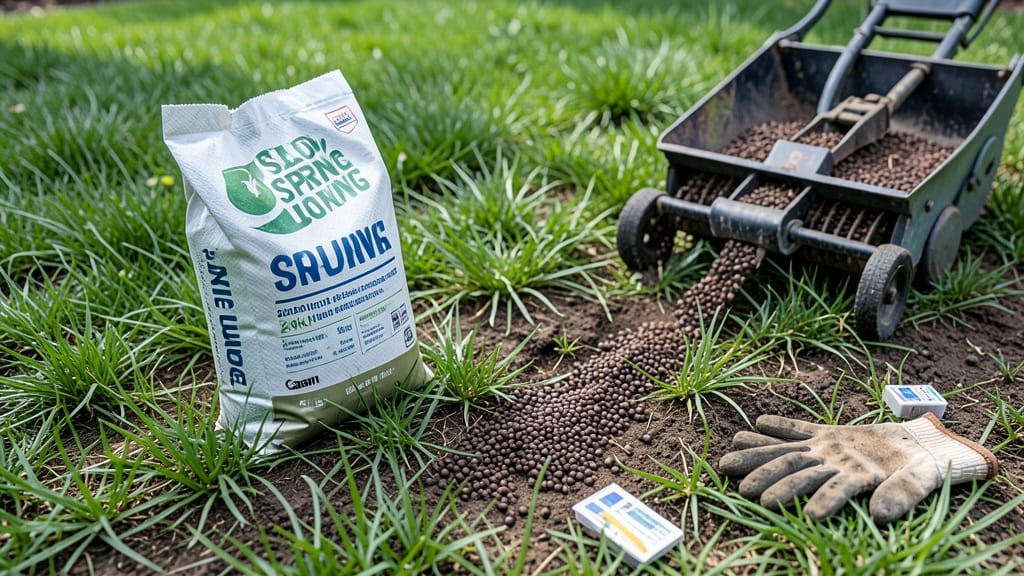
Fertilizing your lawn in spring is the key to a vibrant, weed-resistant yard—but doing it too early or late can backfire and leave you with patchy grass 🌱.
You’ve probably heard that “spring” means action, but the truth is more precise: soil temperature, moisture, and even microbial activity dictate the exact moment your lawn is ready. Miss this window, and you’ll waste fertilizer or trigger weak growth that invites weeds.
In this guide, I’ll walk you through the 3 science-backed soil test triggers that reveal the perfect time to fertilize, tailored to your region and grass type. No more guesswork—just a lush, healthy lawn that stays ahead of the season.
You’ll also learn how to match your fertilizer type to your lawn’s needs, avoid common spring mistakes, and adjust for overseeding if you’re revamping your yard this year.

3 Soil test triggers that tell you Exactly When to Fertilize in Spring
Spring lawn care starts with understanding your soil—not just guessing when to fertilize. I’ve learned the hard way that applying fertilizer too early can burn tender grass roots, while waiting too long lets weeds steal the show.
The key? Three science-backed soil triggers that reveal the perfect window for feeding your lawn this season.
Most gardeners focus on the calendar, but soil conditions tell a different story. A 50°F soil temperature might feel warm to your hands, but it’s still too cold for optimal nutrient uptake.
Meanwhile, overly wet soil can wash away fertilizer before your grass has a chance to use it. Let’s break down these triggers so you can fertilize with confidence.
🌱 Your Spring Fertilization Checklist
- 1
- 2
- 3
Pro Tip: Test your soil pH first! Most lawns need a 6.0-7.0 range. Adjust with lime (for acidic soil) or sulfur (for alkaline soil) before fertilizing.
Let’s tackle the first trigger: soil temperature. I’ve seen homeowners fertilize in early March, only to watch their grass turn yellow from cold stress. The rule of thumb is to wait until the 4-inch soil temperature hits 55°F (13°C).
This usually aligns with late March in Zone 6, but can vary by 2-3 weeks depending on your microclimate.
For example, if you’re in a northern climate like Minnesota, aim for early April. In southern states like Texas, late February might work—but verify with a soil thermometer. Pro tip: Check temperatures in the morning for the most accurate reading, as afternoon sun can skew results.
The second trigger is often overlooked: moisture levels. I once fertilized my lawn after a dry spell, only to realize the granules had turned to dust before my grass could absorb them.
To test moisture, dig a small hole (2-3 inches deep) and squeeze a handful of soil. It should hold together like a damp sponge—not crumble like sand, nor feel sticky like mud.
If your soil is too dry, water it deeply (1-1.5 inches) 24 hours before fertilizing. This ensures the granules dissolve properly and reach the root zone. Overly wet soil, on the other hand, can cause nutrient runoff, polluting nearby waterways.
Wait until the top 2 inches feel slightly moist but not saturated.
Here’s where most gardeners go wrong: ignoring microbial activity. Healthy soil teems with bacteria and fungi that break down fertilizer into plant-available nutrients. Signs of active microbes include earthworms, crumbly soil texture, and a "forest floor" smell.
If your soil smells stale or looks compacted, amend it with compost or aged manure before fertilizing.
One mistake I made was fertilizing my lawn after overseeding in early spring. The seeds needed time to germinate before competing with established grass for nutrients. Always wait 4-6 weeks after overseeding before applying fertilizer. This gives new seedlings a fighting chance without burning them out.
For cool-season grasses (like Kentucky bluegrass or fescue), fertilize in early spring (March-April) when soil warms up. Warm-season grasses (like Bermuda or Zoysia) should wait until late spring (May) when daytime temperatures consistently stay above 65°F. Know your grass type—it’s the difference between a lush lawn and a patchy mess.
Finally, time your application for early morning (before 8 AM). This allows nutrients to soak into the soil before the heat of the day causes evaporation. Avoid fertilizing on windy days—granules can blow into flower beds or neighboring yards.
After spreading, water lightly to activate the fertilizer, then give it a deep watering the next day.
Spring fertilizer types: which one matches your lawn’s needs?
Choosing the right spring fertilizer depends on your grass type and growth goals. Cool-season grasses like fescue or bluegrass thrive with early-season nitrogen, while warm-season grasses such as Bermuda or Zoysia need a lighter touch until soil warms.
The wrong choice can lead to burned grass or wasted money—so let’s match your lawn to the perfect feed.
First, consider release speed. Quick-release fertilizers like ammonium sulfate deliver instant nitrogen but require more frequent applications. Slow-release options, such as polymer-coated granules, feed your lawn steadily for up to 3 months, reducing labor and risk of over-fertilization.
Organic choices like compost or manure add nutrients gradually while improving soil health long-term.
Your grass type dictates the best timing. Cool-season grasses should get fertilizer when soil hits 50–55°F (March–April in most regions), while warm-season grasses wait until soil reaches 65–70°F (late April–May). Skipping this step can stunt growth or invite weeds—so always check with a soil thermometer.
| Fertilizer Type | Best For | Release Speed | Application Time |
|---|---|---|---|
| Quick-Release (Synthetic) | Cool-season grasses, fast recovery | Instant (1–2 weeks) | Early spring (March–April) |
| Slow-Release (Polymer-Coated) | All grasses, low-maintenance | 3–6 months | Late spring (April–May) |
| Organic (Compost/Manure) | Soil health, long-term growth | Slow (weeks–months) | Fall or early spring |
For organic fertilizers, compost or fish emulsion are excellent choices—they feed roots while boosting microbial activity. However, they take longer to show results, so apply them 6–8 weeks before your lawn’s peak growing season.
Synthetic options like 24-0-6 or 30-0-4 (high nitrogen) are ideal for quick greening but must be used carefully to avoid fertilizer burn.
Pro tip: Mix organic and synthetic for balanced nutrition. For example, use a slow-release synthetic in spring for initial growth, then top-dress with compost in summer. This combo ensures your lawn stays green without overwhelming your budget or the environment.
Finally, always water after applying—whether synthetic or organic—to help nutrients penetrate the soil. Aim for ½ inch of water within 24 hours to activate the fertilizer and prevent runoff. With the right match, your lawn will reward you with dense, vibrant growth all season long. 🌱