
Lawn
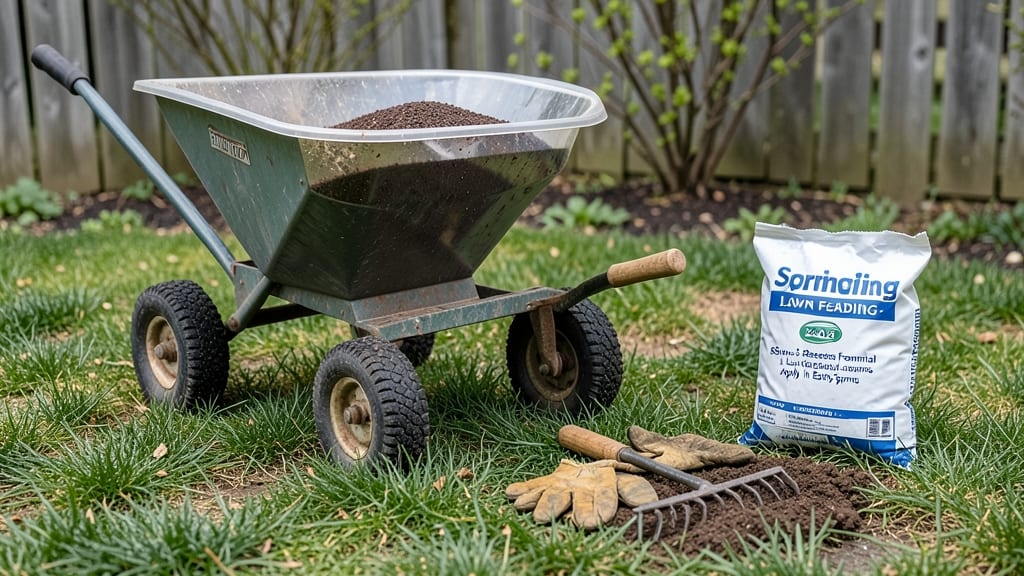
Fertilizing your lawn in the spring should happen when soil temps hit 55°F and your grass shows new growth—typically March to April in most of the U.S.
Spring is the golden window for lawn care—but fertilizing too early or late can waste money and damage your grass. Learn the exact timing for your climate zone to maximize growth without burning your lawn.
Why does timing matter so much? Applying fertilizer when your lawn isn’t ready means nutrients sit on the surface, risking runoff or even scorching tender blades. Worse, you might miss the 6-week growth window when your grass soaks up nutrients fastest.
Here’s what you’ll find: the best months for your region, how to test soil readiness, and the 3 signs your lawn is begging for fertilizer—plus how to avoid the most common mistakes that leave your yard patchy or stunted.

Best spring fertilization timing by US climate zone
Timing your spring lawn fertilization is more than just picking a month—it's about understanding your climate zone, soil temperature, and grass type. Fertilizing too early can burn tender new growth, while waiting too long misses the critical growth window.
The key is aligning your schedule with soil temps between 55°F and 65°F, when roots are active but tops aren't stressed.
Northern climates (USDA Zones 3-6) have cooler springs, so fertilization typically starts in early April when soil warms.
Southern regions (Zones 7-10) can begin as early as late February, but warm-season grasses like Bermuda need to wait until late spring when temps consistently stay above 65°F. Transition zones (Zones 6-7) require careful balance—neither too early nor too late.
Here's the science-backed timing guide for your region, including ideal soil temperatures and first-mowing rules to prevent fertilizer burn:
| Climate Zone | Ideal Soil Temp | Fertilization Window | Grass Types | First Mow After Fertilizing |
|---|---|---|---|---|
| Northern (Zones 3-6) | 55-65°F | Early April - Mid-May | Cool-season (Fescue, Bluegrass) | Wait 3-4 days |
| Transition (Zones 6-7) | 55-65°F | Late March - Early May | Both cool/warm-season | Wait 4-5 days |
| Southern (Zones 7-10) | 60-70°F | Late Feb - Early April (Cool-season) / Late May (Warm-season) | Cool-season (Ryegrass) / Warm-season (Bermuda, Zoysia) | Wait 5-7 days (warm-season) |
For Northern climates, I recommend a slow-release fertilizer in early April when soil temps hit 55°F. This gives grass time to establish roots before summer heat arrives.
Cool-season grasses like Kentucky Bluegrass and Fescue thrive with this timing, but avoid fertilizing if frost is forecast within 7-10 days—roots can't absorb nutrients in cold soil.
In Southern regions, warm-season grasses like Zoysia and St. Augustine need a different approach. Wait until soil temps stay above 65°F (typically late May) to fertilize.
Early spring applications can stress these grasses, leading to brown patches and thatch buildup. Use a low-nitrogen fertilizer (10-0-10) to avoid overstimulating growth before ideal conditions arrive.
Transition zones require the most attention. If you have cool-season grasses, fertilize in late March when soil warms. For warm-season varieties, switch to a late spring application (June) with a higher potassium content (e.g., 16-4-8) to strengthen roots before summer.
Always water deeply after fertilizing—1 inch of water helps nutrients reach roots without burning the surface.
One critical rule I follow: Never fertilize before your first mow. Cutting grass too soon after fertilization can stress the plant and lead to brown tips.
Wait until grass reaches 3-4 inches tall before applying fertilizer, then delay mowing for 3-7 days depending on your climate zone (as shown in the table above). This gives roots time to absorb nutrients.
Pro tip: Use a soil thermometer to check temps at 4-inch depth—this is where roots are most active. If temps drop below 50°F, hold off on fertilizing until conditions improve. Over-fertilizing in cool soil leads to nutrient runoff and wasted money, while under-fertilizing misses the growth window entirely.
Remember, spring fertilization isn't just about green grass—it's about setting up your lawn for summer resilience. By following your climate zone's timing, you'll avoid common mistakes like fertilizer burn and uneven growth, ensuring a lush, healthy lawn all season long. 🌱
3 Critical signs your lawn is ready for spring fertilizer
Spring fertilization transforms a dull, patchy lawn into a lush green carpet—but timing is everything. Applying fertilizer too soon can burn tender grass, while waiting too long lets weeds take over. The key lies in observing your lawn's visual and tactile cues that signal it's primed for growth.
These signs work for both cool-season grasses (like fescue and bluegrass) and warm-season grasses (like Bermuda and zoysia), though their ideal timing differs slightly.
First, check your grass color. Healthy lawns should be a vibrant green, not yellow or brown. If your grass looks pale or grayish, it's still recovering from winter dormancy and needs time to wake up.
For cool-season grasses, aim for a deep green hue by late March or early April, while warm-season grasses should show this color shift closer to May or June, depending on your climate. This visual cue tells you the grass is actively photosynthesizing and ready to absorb nutrients.
Next, test the growth speed of your lawn. Run your hand over the grass blades—if they feel soft and slightly springy, your lawn is growing.
For cool-season grasses, you should see new growth within 2-3 weeks after the last frost, while warm-season grasses may take longer, especially in cooler regions. If your grass feels stiff or doesn't bounce back when pressed, it's not ready for fertilizer yet.
This tactile test helps you avoid over-fertilizing dormant grass, which can lead to burn and wasted money.
When Should You Fertilize Your Lawn in Spring?
- 🌱 Grass Color: Vibrant green (not yellow/brown) signals active growth. Cool-season: Late March-Early April. Warm-season: May-June.
- ✂️ Growth Speed: Grass bounces back when pressed—test by running your hand over blades. Cool-season: 2-3 weeks post-frost. Warm-season: Soil temps >60°F.
- 💧 Soil Moisture: Top 2-3 inches should feel damp (not soggy). Water if dry—fertilizer needs moisture to activate. Ideal: Early morning application.
- 🌡️ Soil Temperature: Cool-season: 50-55°F. Warm-season: 60-65°F. Use a soil thermometer for accuracy.
- 🌿 Weed Activity: Weeds sprouting = your grass is waking up. Fertilize before weeds dominate (typically 1-2 weeks after first weed sightings).
Don't overlook soil moisture—it's the unsung hero of spring fertilization. The top 2-3 inches of soil should feel damp, like a wrung-out sponge, but not waterlogged. If your soil is dry, water it thoroughly before applying fertilizer.
Fertilizer needs moisture to dissolve and reach the roots, so applying it to dry soil is like feeding a plant without water—it just won't work. Aim to fertilize in the early morning to give the grass time to absorb nutrients before the heat of the day.
For cool-season grasses, the best time to fertilize is when the soil temperature hovers around 50-55°F. In most Northern states, this aligns with late March to early April. In contrast, warm-season grasses thrive when soil temperatures rise above 60°F, typically in May or June.
Use a soil thermometer to check—this small tool can save you from guessing and potentially damaging your lawn. Pro tip: If you're unsure, wait until you see weeds sprouting—this is nature's sign that your grass is ready to grow too.
Finally, adjust your approach based on your local climate zone. In colder regions (USDA Zones 3-5), fertilize as soon as the ground is workable but before the first mowing of the season.
In warmer zones (Zones 7-10), hold off until the grass has actively grown for at least 3-4 weeks. Remember, the goal is to support growth, not shock it.
By tuning into these three critical signs—color, growth, and moisture—you'll fertilize at the perfect moment for a lawn that's the envy of the neighborhood.