
Lawn
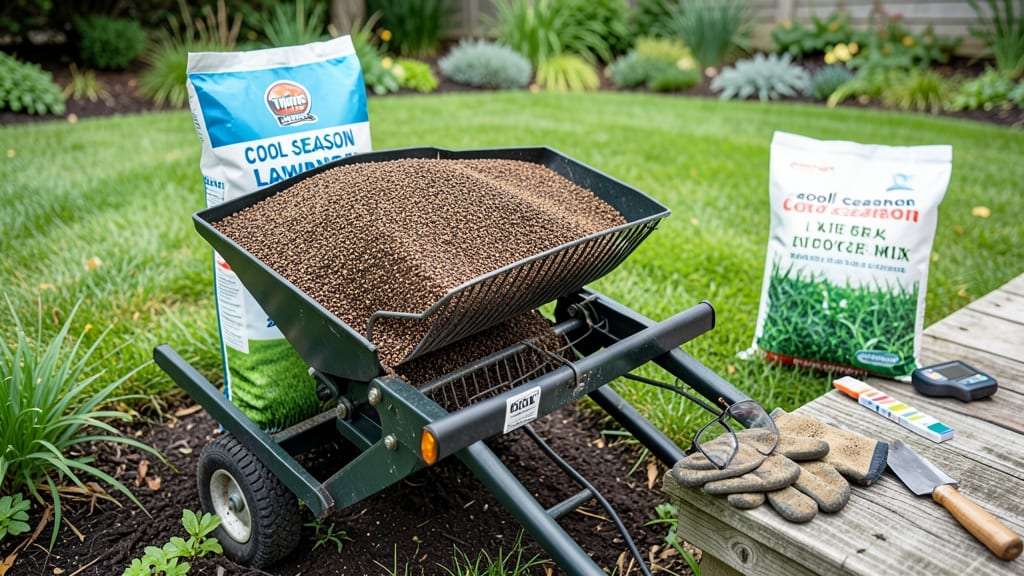
Fertilizing your lawn in Massachusetts at the right time is the difference between a thick, vibrant carpet of grass and a patchy, struggling yard that never quite recovers from winter.
Massachusetts lawns face unique seasonal challenges—from harsh winters to humid summers—that demand precise fertilization timing to stay lush and healthy. Get the schedule wrong, and you risk weak grass, wasted fertilizer, or even environmental harm.
Most gardeners know spring and fall are the key seasons, but the exact monthly windows matter far more than you might think.
For example, applying fertilizer too early in spring can burn tender new growth, while waiting too long means missing the 6-8 week window when your grass is actively growing.
In this guide, I’ll walk you through the optimal fertilization schedule for Massachusetts lawns, including when to feed cool-season grasses like Kentucky bluegrass, how to adjust for your specific climate zone (5b-7a), and what to avoid—like fertilizing in summer heat or before the first frost.
Optimal Massachusetts fertilization schedule by season (spring & fall focus)
Massachusetts lawns thrive when fertilized at the right times—too early or late, and you’ll waste nutrients or stress your grass. Cool-season grasses like Kentucky bluegrass and fescue dominate here, so timing matters most in spring and fall.
Coastal areas (like Cape Cod) have milder winters, while inland regions (Pioneer Valley) face harsher frosts—adjust your schedule accordingly.
Your soil temperature is the best indicator: aim for 50°F+ in spring and 60°F+ in fall. Inland areas should fertilize 2-3 weeks earlier than coastal zones due to later frost dates. Always water before and after applying fertilizer to activate nutrients and prevent burn.
Key rule: Never fertilize when grass is dormant (winter) or under heat stress (summer). Over-fertilizing in summer leads to weak roots and brown patches, while fall applications can encourage late-season growth vulnerable to frost damage.
🌱
In April, coastal lawns (like those in Barnstable County) should receive their first high-nitrogen fertilizer when soil hits 50°F, while inland areas (e.g., Hampshire County) may wait until early May due to later warming. Use a slow-release formula to avoid runoff from spring rains.
Skip fertilizing in June and July—this is when grass goes dormant to survive summer heat. Instead, focus on deep watering (1 inch per week) and mowing high (3-4 inches) to shade roots. Coastal areas may need slightly more water due to higher humidity and salt air.
Fall fertilization is a common mistake: many gardeners overdo it in September, leading to weak growth before frost. Wait until October for a potassium-rich "winterizer" to strengthen roots. Coastal lawns can apply this 2 weeks earlier than inland areas.
🌿
Test your soil pH before fertilizing—most MA lawns need a 6.0-7.0 range. Sandy soils (common in Cape Cod) drain quickly, so use liquid fertilizers for faster absorption. Clay-heavy soils (like those in Worcester) benefit from granular, slow-release options
5 Signs your Massachusetts lawn needs fertilizer (and when to avoid it)
Your Massachusetts lawn acts like a living barometer—its color, texture, and growth patterns scream when it's hungry for nutrients. Cool-season grasses like Kentucky bluegrass and fescue (common in MA) thrive with precise fertilization timing, but over- or under-feeding can spell disaster.
Let's decode the 5 unmistakable signs your lawn is begging for fertilizer—and when to hit pause instead.
First, check for pale yellowing patches that refuse to green up, even after mowing. This classic nitrogen deficiency often appears in early spring when grass rouses from dormancy but finds depleted soil reserves.
Another red flag? Thin, sparse grass with visible soil between blades—your lawn's density is a direct reflection of its nutritional health. If weeds like clover or dandelions dominate, your grass is struggling to compete for resources.
🌱Visual diagnostic tip: Walk your lawn at dusk when shadows enhance color contrasts. Healthy grass should be a deep, uniform green. Any grayish or straw-like areas need immediate attention.
📌 When to Fertilize Your Massachusetts Lawn
- 🌱 Early Spring (April-May): Apply high-nitrogen fertilizer when soil temps reach 50°F+ and grass shows green-up signs after winter.
- ☀️ Late Spring (June): Use balanced fertilizer (10-10-10) if grass slows growth despite warm weather—often a potassium deficiency.
- 🌿 Early Fall (September): Avoid fertilizing—focus on overseeding instead. Fall is for root strengthening, not growth.
- ❄️ Frost or Drought?: Skip fertilization—stressed grass can't absorb nutrients. Wait until stable, mild weather returns.
- 🐜 Pest Outbreaks?: Never fertilize. Grubs or chinch bugs thrive on stressed grass—treat pests first, then fertilize.
Watch for slow recovery after mowing, another telltale sign. Healthy grass bounces back in 3-5 days; if blades stay flattened for a week or longer, your lawn's root system is weak. Also, inspect for thatch buildup (that spongy layer between soil and grass)—thicker than ½ inch?
Your lawn can't absorb nutrients efficiently. Finally, uneven growth (some areas growing faster than others) often signals soil compaction or nutrient hotspots.
✂️Action step: Test your soil's pH (ideal for MA lawns: 6.0–7.0). A pH below 5.5 locks out nutrients, no matter how much fertilizer you apply. Adjust with lime if needed before fertilizing.
Timing matters just as much as application. Never fertilize during drought, freezing temps, or after pesticide treatments—you'll burn grass or waste money. In Massachusetts, late summer (August-September) is a critical "no-fertilizer" zone; grass goes dormant to survive winter, and feeding it then encourages weak, frost-sensitive growth.
Instead, aerate in early fall to prep for spring.
🌡️Pro tip: Use a slow-release fertilizer in spring to match MA's variable rainfall. Fast-acting fertilizers wash away in sudden downpours, while slow-release feeds grass steadily over 6–8 weeks.