
Fertilization
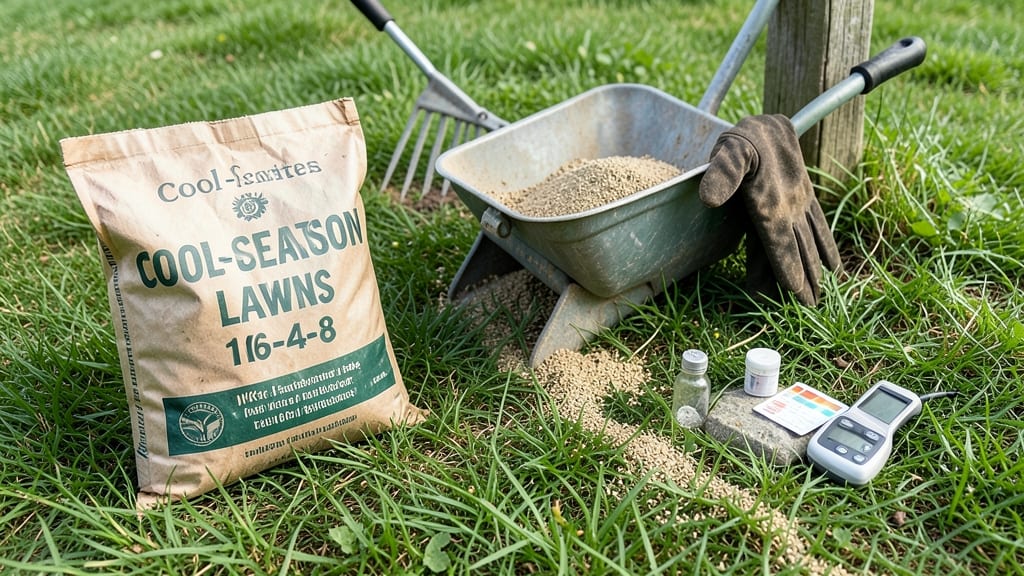
Fertilizing your lawn in Massachusetts at the right times—spring and fall—can transform a dull, patchy yard into a thick, green carpet that neighbors envy.
But here’s the catch: New England’s unpredictable frost dates and clay-heavy soils mean a one-size-fits-all approach won’t work. Apply fertilizer too early, and you’ll waste nutrients; too late, and your grass won’t have the strength it needs to fight off weeds and drought.
In this guide, I’ll break down the exact timing for your 5b-6b zone, the best fertilizer types for your soil, and how to avoid common mistakes that leave lawns looking more brown than green.
You’ll learn how to sync your schedule with Massachusetts’ growing seasons, spot the signs of over-fertilization, and even adjust for drought-prone areas—so your lawn stays lush without breaking the bank.
Massachusetts lawn fertilizing schedule: spring vs fall timing explained
Timing your lawn fertilizer in Massachusetts isn’t just about following a calendar—it’s about aligning with your grass’s natural growth cycles and the 50°F soil temperature threshold.
In New England’s climate, where winters are harsh and summers can be unpredictable, spring and fall emerge as the two critical windows for fertilization. These seasons offer the perfect balance of moderate temperatures and active root growth, ensuring nutrients are absorbed efficiently rather than wasted.
During spring fertilization (typically April to May), your lawn wakes up from dormancy, and applying fertilizer provides the nitrogen boost needed for vibrant green growth. Meanwhile, fall fertilization (late August to early October) focuses on strengthening roots before winter, helping your lawn recover faster in spring.
Skipping these windows can leave your lawn weak, patchy, or susceptible to weeds and pests.
Here’s why these seasons matter: Spring fertilization capitalizes on the 60-70°F soil temperatures that trigger rapid growth, while fall applications take advantage of cool evenings and warm days to promote root development without encouraging late-season top growth that could be damaged by frost.
In Massachusetts, where USDA zones 5b-6b dominate, these conditions are ideal for nutrient absorption.
| Season | Ideal Timing | Soil Temp Threshold | Primary Goal | MA-Specific Notes |
|---|---|---|---|---|
| Spring | April - May | 50°F+ | Top growth (Nitrogen) | Avoid fertilizing before last frost (avg. April 15) |
| Fall | Late August - Early October | 50°F+ | Root strengthening | Stop by October 15 (first frost risk) |
| Summer | June - July | N/A (Dormancy risk) | Light maintenance only | High heat = nutrient burn; use slow-release |
| Winter | November - March | Below 50°F | Dormancy period | Grass is inactive; no fertilization |
In Massachusetts’ clay-heavy soils, proper timing also prevents nutrient runoff during heavy rains—a common issue in spring’s unpredictable showers.
For example, applying fertilizer too early in spring (before the last frost) can lead to wasted nutrients, while fall applications too close to winter may not allow enough time for roots to absorb the nutrients before dormancy sets in.
The key is to fertilize when your lawn is actively growing but not under stress from extreme weather.
Another critical factor is soil temperature. Grass roots only absorb nutrients effectively when soil temperatures are consistently above 50°F. In Massachusetts, this typically aligns with late April to early May for spring and late August to early October for fall.
Using a soil thermometer to confirm these conditions can save you time and money by avoiding misapplications during transitional periods.
For cool-season grasses like Kentucky Bluegrass and Fine Fescue (common in MA lawns), fall fertilization is especially vital. These grasses grow most actively in cool weather, and a late-summer or early-fall application helps them store nutrients for spring.
In contrast, warm-season grasses (like Bermuda grass, less common in MA) thrive in summer and would require a different schedule—but most Massachusetts lawns are cool-season, so focus on spring and fall.
Regional climate nuances also play a role. Coastal areas like Cape Cod or Boston may experience milder winters, allowing for slightly later fall fertilization, while inland areas like the Pioneer Valley or Berkshires might need to adjust earlier due to colder temperatures.
Always check your local USDA frost dates and monitor your lawn’s response to fine-tune your schedule.
One common mistake is assuming a one-size-fits-all approach works for all lawn types. For instance, shady lawns or those with high clay content (common in MA) may benefit from a lighter fertilizer application or additional soil amendments like
Step-by-step guide to fertilizing your MA lawn in spring and fall
Fertilizing your lawn in Massachusetts isn’t just about throwing down granules—it’s about understanding your clay-heavy soil and the two critical windows for feeding: early spring and fall. These seasons align with your grass’s natural growth cycles, ensuring nutrients are absorbed efficiently rather than wasted.
I’ve learned the hard way that summer applications often lead to burned grass in our heatwaves, so timing is everything.
Before you even pick up a bag of fertilizer, test your soil using a DIY kit or send a sample to the UMass Soil Test Lab. This tells you exactly what nutrients your lawn is lacking—whether it’s nitrogen, phosphorus, or potassium.
For most MA lawns, a balanced 24-0-5 or 20-5-10 blend works best, but your test results might suggest adjustments, especially if your soil is compacted or acidic.
📋 Your MA Lawn Fertilizing Timeline
-
1
Test Your Soil (Late Winter/Early Spring or Early Fall)
Use a soil test kit or send samples to UMass Extension. Aim for a pH of 6.0–7.0 and check for nutrient deficiencies.
-
2
Choose the Right Fertilizer (Spring: High Nitrogen, Fall: Balanced)
Spring: 24-0-5 or 20-5-10 (high nitrogen for top growth). Fall: 10-10-10 or 8-8-8 (balanced for root strength).
-
3
Apply in Early Spring (April–May, After Last Frost)
Wait until soil temps hit 50°F+. Use a broadcast spreader for even coverage (1 lb per 100 sqft). Water lightly after to activate granules.
-
4
Fertilize Again in Early Fall (September–Early October)
Apply 6–8 weeks before first frost to strengthen roots. Use a slow-release formula to avoid winter burn. Water deeply to help absorption.
-
5
Avoid Summer Feeding (June–August)
High temps cause fertilizer burn. If you must feed, use a light, liquid fertilizer in early morning and water immediately.
-
6
Post-Fertilizer Care (All Seasons)
Water deeply 2–3 times per week (1 inch total). Mow high (3–4 inches) to retain moisture and shade roots.
When applying fertilizer, broadcast spreaders are my go-to for even coverage, but liquid fertilizers can be better for clay soils because they penetrate deeper. Always follow the label rates—overdoing it leads to nutrient runoff and water pollution, which is a big issue in MA’s watersheds.
After fertilizing, keep your lawn well-watered to help nutrients reach the roots without burning the grass.
One trick I’ve picked up from local gardeners is to aerate your lawn 24–48 hours before fertilizing. This opens up those compacted clay pockets so nutrients can soak in instead of sitting on the surface.
Pair this with a light top-dressing of compost to improve soil structure over time. Your grass will thank you with deeper roots and a greener appearance by next spring.
Remember, consistency beats intensity. Skipping a year of fall fertilization won’t kill your lawn