
Fertilization
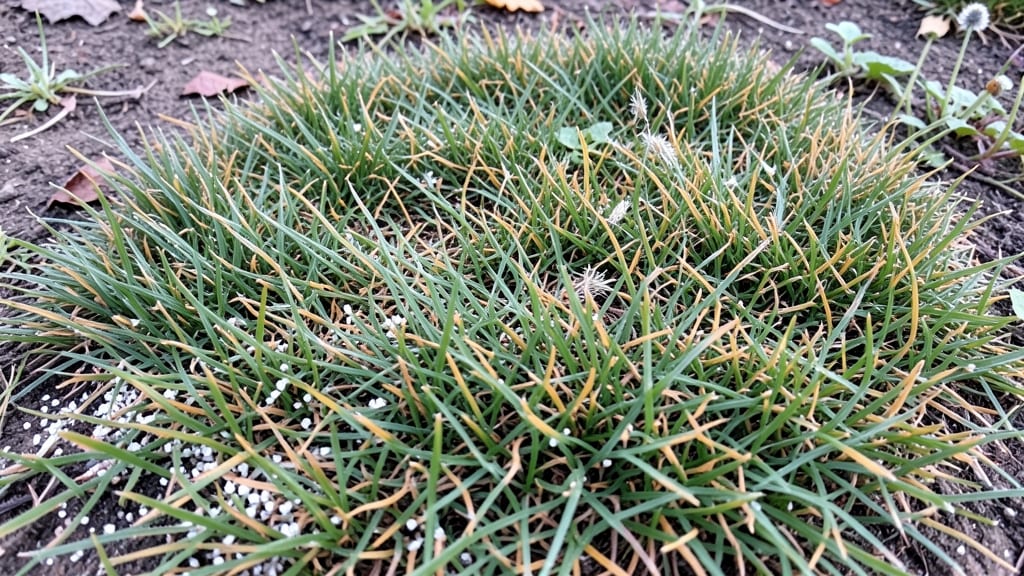
To fertilize grass in fall, time it 6 to 8 weeks before the first frost to strengthen roots and prepare for winter dormancy. Use a slow-release, high-nitrogen fertilizer for cool-season grasses like Kentucky bluegrass or fescue, avoiding late-season applications that can promote tender new growth.
Timing matters because fall fertilization helps grass build deep, cold-resistant roots before dormancy.
When you apply fertilizer too late, new growth can't harden before freezing temperatures arrive, leading to winterkill. 🌱 I've seen this happen when homeowners wait until October—by the time frost hits, the grass is still tender and vulnerable.
The key is balancing nitrogen for growth with the need for roots to mature before winter sets in.
For cool-season grasses, aim for a fertilizer with a higher nitrogen content (like a 24-0-6 ratio) to support root development without encouraging late-season top growth. Warm-season grasses, on the other hand, typically don't need fall fertilization at all—they go dormant naturally.
Always check your local frost dates and adjust your schedule accordingly, as regions vary widely.
💡 In This Article
- Fall Fertilizer Timing for Grass Root Development
- Best Fall Fertilizers for Grass Types and Soil Conditions
Fall fertilizer timing for grass root development
Here's what's actually happening in your lawn when you fertilize in fall: cool-season grasses like Kentucky bluegrass enter a natural growth cycle triggered by decreasing daylight and cooler soil temperatures (around 60-65°F).
This period, called fall hardening-off, is when roots grow deeper and thicker to store carbohydrates for winter survival. The key factor is nitrogen—it fuels this root development, but too much too late prevents the grass from hardening properly before frost.
The science behind this involves a process called cold acclimation. When soil temperatures drop below 50°F, grass stops growing above ground but continues to develop roots.
A slow-release fertilizer provides a steady nitrogen supply (around 0.5-1 pound per 1,000 sq ft) over 6-8 weeks, giving roots time to mature. Compare this to quick-release fertilizers, which can cause a late-season growth spurt that freezes before it can harden—this tender new growth is prime winterkill territory.
Regional frost timing varies dramatically—Zone 5 areas (like Chicago) may see first frost in early October, while Zone 8 (Houston) might not freeze until December. Use your local USDA Plant Hardiness Zone map and check historical frost dates to calculate your window.
For example, in Zone 6 (Dallas), applying fertilizer in early September gives roots 8 weeks to develop before average first frost (November 15). The goal is to have roots reach 4-6 inches deep before dormancy.
What most people don't realize is how soil temperature thresholds interact with frost timing. Grass roots stop growing when soil hits 32°F, but above-ground growth continues until air temperatures drop below 40°F.
This mismatch is why late applications (after October 15 in most regions) risk winterkill—the new shoots can't harden before freezing. Think of it like preparing for a blizzard: you'd want your home insulated weeks before the storm, not the night before.
Consider these regional examples to visualize the timing:
- Northeast (Zone 5-6): Apply fertilizer September 1-15 for frost dates around October 30-November 15
- Midwest (Zone 5): Late August to early September for frost dates October 15-30
- South (Zone 7-8): October 1-15 with frost dates December 1-15
The biological mechanism involves carbohydrate storage in root tissues. When you fertilize correctly, grass converts excess nitrogen into sugars stored in roots—these sugars act like antifreeze, protecting cell membranes during freeze-thaw cycles.
This is why properly fertilized lawns green up faster in spring while neglected ones often show brown patches from winter damage.
Here's a pro tip: if your grass shows signs of fall dormancy (grayish color, slowed growth) before your 6-8 week window, delay fertilization until next spring. The grass is telling you it's ready for winter—don't force growth when nature's timing is more important than your schedule. 🌱