
Lawn
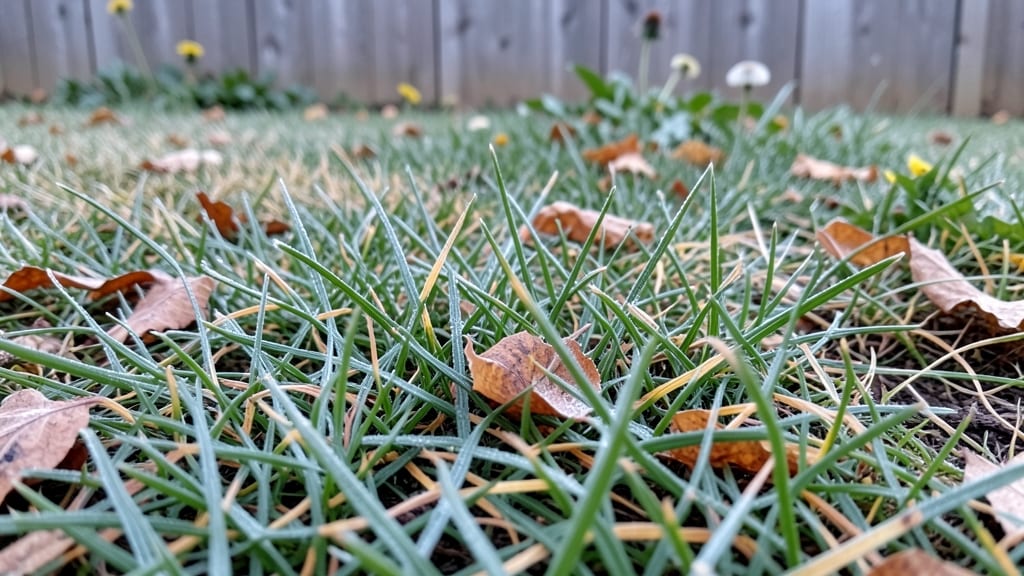
Fall is the perfect time to transform your lawn from patchy to frost-resistant perfection—before the first hard freeze locks things in place. 🌿 I’ve learned the hard way that skipping this season’s prep means weaker grass next spring, so I’m sharing exactly what I do to keep my yard thick and green through winter’s chill.
Start with one last mow before the first frost, cutting to 3–4 inches to protect roots. Then overseed bare spots with cool-season grass like fescue or ryegrass—it germinates fast in fall’s mild temps.
A light fertilizer (high in potassium) strengthens roots, while a fungicide prevents snow mold before winter sets in.
By December, your lawn will be dense, resilient, and ready to bounce back come spring. The key is acting now—before soil temps drop below 50°F, when seeds and fertilizers work best. Think of it as giving your grass a cozy winter blanket so it wakes up stronger in March.
Works for any climate, but adjust timing: Northern zones should finish by late October, while Southern areas have until November. Pro tip: Water deeply after overseeding to help seeds settle into the soil—no need for fancy equipment, just patience and a hose.
📚 In This Guide
- What you need
- Instructions
- Tips and common mistakes
- Wrapping up and next steps
What you need
- ● Lawn mower (sharp blades, ideal height: 2.5–3.5 inches for fall)
- ● Rake (bow rake for debris + stiff-bristle rake for aerating)
- ● Core aerator (manual or rented machine for compacted soil)
- ● Broadcast spreader (for even seed distribution)
- ● Garden hose with nozzle (or watering can for small areas)
- ○ Soil test kit (optional but highly recommended—check pH and nutrient levels)
- ● Gloves & knee pads (because comfort matters!)
- ● Grass seed (choose frost-tolerant varieties like tall fescue or ryegrass; ~5–10 lbs per 1,000 sq ft)
- ● Topsoil or compost (1–2 inches for patchy areas or overseeding)
- ● Starter fertilizer (high-phosphorus, 10-20-10 ratio; ~½ lb per 100 sq ft)
- ● Mulch (straw or peat moss) (¼ inch layer to retain moisture and protect seeds)
- ○ Pre-emergent herbicide (optional, for weed control before seeding)
- ● Soil conditioner (gypsum or lime to adjust pH if needed)
- ● Lawn roller (lightweight, for seeding—only if soil is dry)
- ● Weatherproof tarp (to cover newly seeded areas if rain is forecasted)
- ● Lawn thermometer (to monitor soil temps—ideal range: 50–65°F for seeding)
Step-by-Step instructions for preparing grass for fall's frost-resistant beauty
Here's how to coax your lawn into its most resilient autumn state—before dormancy sets in.
🌱 Step 1: Conduct a Soil Test and Adjust Nutrients
Fall is the perfect time to assess your lawn's health before winter dormancy. Grab a small soil sample from your yard using a clean trowel, and send it to your local extension office for a test. You'll want to check pH levels and nutrient content—most grasses thrive in a 6.0-7.0 pH range. If your soil is too acidic, apply 10 pounds of lime per 1,000 square feet now, as it takes time to adjust pH.
For nutrient balance, spread ½ pound of a slow-release fertilizer per 100 square feet with a high potassium content (look for a 12-12-24 ratio). Potassium strengthens cell walls, helping grass resist winter stress. Water the lawn lightly after application to help the granules settle into the soil.
☀️ Step 2: Time Your Final Mowing for Frost Readiness
Stop mowing when your grass reaches 3-4 inches tall—this height provides insulation against freezing temperatures. Use a sharp mower blade to avoid tearing grass blades, which can invite disease. Set your mower to its highest setting for this final cut, leaving the clippings on the lawn to decompose naturally and return nutrients to the soil.
Watch for the first light frost in your area—this is your cue to stop all mowing. Grass stops growing as temperatures drop, so leaving it taller protects the crown from cold damage. If you're unsure when frost will arrive, check your local weather forecast and plan accordingly. You'll know you've timed it right when grass blades turn a silvery-blue hue in the morning.
💧 Step 3: Water Deeply and Strategically Before Dormancy
Reduce watering gradually over the next few weeks, aiming for 1 inch of water per week until two weeks before the first hard frost. Deep, infrequent watering encourages deep root growth, which is critical for spring recovery. Water in the early morning to allow grass blades to dry before evening, preventing fungal issues.
For the final watering session, give your lawn a deep soak—1.5 inches total—to ensure roots are hydrated before dormancy. You'll see this working when grass blades stand upright and the soil feels moist 3-4 inches deep. Avoid watering after this point, as frozen soil prevents roots from absorbing moisture.
✂️ Step 4: Remove Debris and Aerate for Winter Protection
Rake up leaves and debris from your lawn to prevent smothering and disease buildup. A thick layer of leaves can block sunlight and trap moisture, leading to fungal growth. Use a leaf blower for large areas or a rake for smaller sections, working in one direction to avoid tearing grass blades.
If your lawn has compacted soil, rent a core aerator to pull small plugs of soil and thatch. This process allows air, water, and nutrients to reach the roots more easily. Focus on areas with foot traffic or heavy use, and water lightly after aerating to help the soil settle. You'll notice a difference in grass resilience come spring if you aerate now.
🪴 Step 5: Apply Mulch and Monitor for Winter Care
Spread 2-3 inches of straw mulch over high-traffic areas or newly seeded sections to protect the soil from freezing and thawing cycles. Straw breaks down slowly and won't smother grass like thick layers of leaves. Avoid wood chips, as they can draw moisture away from the soil and may contain harmful compounds.
Keep an eye on your lawn throughout winter. If snow covers the grass for extended periods, shovel it off to prevent mold growth and allow sunlight to reach the blades. In early spring, you'll see the results of your fall prep—faster green-up and stronger growth as the grass emerges from dormancy.
Tips & tricks for perfect fall grass preparation
These proven strategies will help you transform your lawn into a resilient winter wonderland that springs back to life with vigor.
Soil Test Timing: Don't wait until spring to test your soil—fall is the ideal time to assess pH and nutrient levels before winter dormancy. Most extension offices can process samples in 1-2 weeks, giving you time to apply lime or fertilizer before the ground freezes. I always test in early fall (September-October) when temperatures are still mild enough for microbial activity to work its magic. The 6.0-7.0 pH range is critical because grasses like Kentucky bluegrass and fescue struggle to absorb nutrients outside this window.
Mowing Height Intelligence: That 3-4 inch height in Step 2 isn't arbitrary—it's the sweet spot for winter protection. Taller grass acts like a natural blanket, insulating the crown from freezing temperatures. Here's the thing: if your grass reaches 3 inches but you're still getting frost warnings, let it grow a bit taller—up to 4.5 inches—for extra protection. The silvery-blue hue you'll see in the morning is your visual confirmation that the grass is properly hardened off and ready for winter.
Watering Strategy: The 1 inch per week guideline in Step 3 is your baseline, but timing matters just as much. I've found that watering between 6-10 AM gives grass blades time to dry completely before evening, preventing fungal diseases like brown patch. For the final 1.5 inch soak, let the water penetrate slowly—this encourages roots to grow deeper. You'll know you've done it right when you can push a screwdriver 3-4 inches into the soil and feel moisture at that depth.
Mulch Layer Precision: That 2-3 inch straw mulch recommendation in Step 5 is non-negotiable for high-traffic areas. Too little won't provide enough insulation, while too much can smother grass. I like to spread it evenly with a rake, focusing on areas where foot traffic compacts the soil. The key is to apply it after your final watering session—this prevents moisture from getting trapped under the mulch and creating anaerobic conditions that promote fungal growth.
Pro Tips for Grass In Fall
- These proven strategies will help you transform your lawn into a resilient winter wonderland that springs back to life with vigor.
- Soil Test Timing: Don't wait until spring to test your soil—fall is the ideal time to assess pH and nutrient levels before winter dormancy.
- Mowing Height Intelligence: That 3-4 inch height in Step 2 isn't arbitrary—it's the sweet spot for winter protection.
Frequently asked questions
Got questions about keeping your grass lush and vibrant as the seasons change? You’re not alone! Here are some of the most common questions—and answers—to help you master grass in fall without the stress.
Why does grass turn brown in fall before winter?
Grass browns in fall as a natural survival mechanism. Cool temperatures, shorter days, and frost trigger dormancy—like hibernation for plants! Most grasses (except cool-season types) slow growth to conserve energy. Pro tip: If your lawn is mostly brown by late fall, it’s likely dormant and will green up again in spring with proper care.
When is the best time to fertilize grass in fall?
For cool-season grasses (like fescue or ryegrass), aim for late summer to early fall (August–October). Warm-season grasses (like Bermuda) should get their last feeding in early fall (September) before dormancy. Use a slow-release, high-nitrogen fertilizer to fuel root growth before winter. Avoid fertilizing after the first frost—it can harm grass.
Can I still mow grass in fall if it’s getting frost?
Yes, but adjust your approach! Mow before frost hits (when grass is still green) to prevent disease and matting. Once frost arrives, stop mowing—cutting frozen grass can damage the blades. If your lawn is already dormant, skip mowing until spring. Leave grass slightly taller (3–4 inches) in late fall for insulation against cold.
How do I prevent frost damage to my lawn?
Frost rarely kills grass but can cause temporary browning. To minimize damage:
- Avoid walking on frosted grass—it can crush blades.
- Water deeply before frost (but not after)—hydrated grass handles cold better.
- Use a light layer of straw or leaves for insulation (remove after frost thaws).
What’s a good alternative if my grass won’t stay green in fall?
If your lawn struggles with fall color, consider:
- Planting clover or microclover—it stays green later and fixes nitrogen in soil.
- Adding ornamental grasses (like fountain grass) for year-round texture.
- Mulching with fall leaves to protect soil and improve next year’s growth.
Wrapping up and next steps
Fall is the perfect time to embrace the frost-resistant beauty of grass before it enters dormancy. Whether you're admiring its golden hues or preparing for winter care, this season offers a chance to celebrate nature’s transition and set your lawn up for success. 🌿✨
Ready to make the most of your fall lawn? Start by assessing your grass’s health—trim, fertilize, or aerate as needed—and take notes for next year’s routine. Small steps now will reward you with a vibrant, resilient lawn when spring rolls around!