
Fertilization
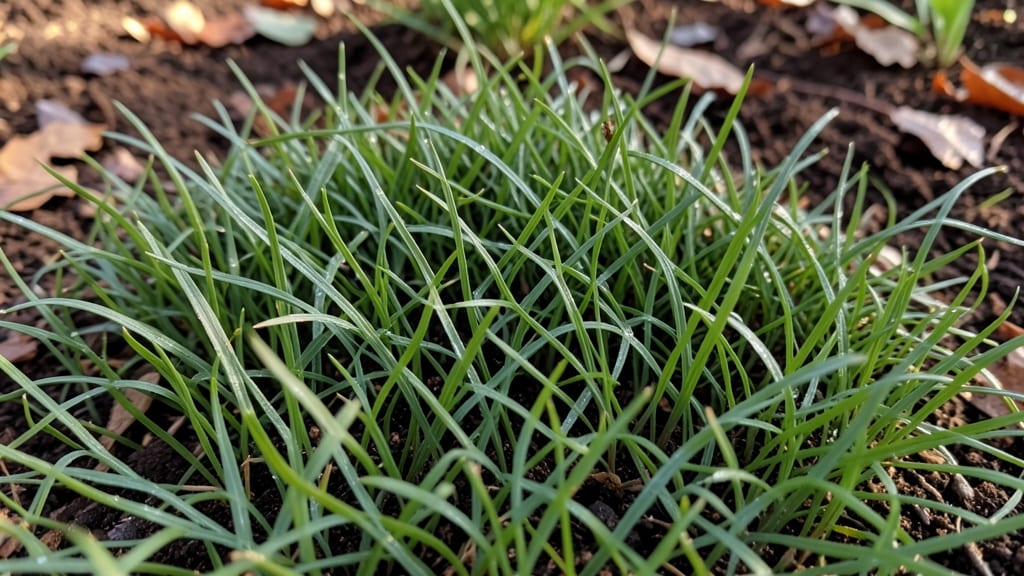
To fertilize centipede grass, time it right by climate zone: late spring (May-June) when soil hits 65°F+ in warm zones (8-10), or early spring (March-April) in cooler zones (7). Slow-release fertilizer works best, and skipping fall prevents winter burn.
Centipede grass thrives when fertilized during its active growth phase, which aligns perfectly with soil temperatures. 🌱 In warmer climates, this means waiting until late spring when roots are already established and ready to absorb nutrients efficiently.
Cooler regions benefit from an earlier application to jumpstart growth before summer heat arrives. I’ve seen firsthand how precise timing prevents nutrient runoff and maximizes root development—key for drought-resistant varieties like centipede.
What many gardeners overlook is the soil’s role in fertilizer effectiveness. Testing pH before application ensures nutrients are available—centipede grass prefers 5.8-6.5. A slow-release formula spreads nutrients gradually, reducing the risk of over-fertilization, which can stress the grass.
Pro tip: Water thoroughly after applying to help nutrients penetrate the soil and reach those deep roots.
💡 In This Article
- Soil Temperature and Climate Zone Triggers for Fertilizing Centipede Grass
- Step-by-Step Fertilizer Application Guide for Centipede Grass
Soil temperature and climate zone triggers for fertilizing centipede grass
Centipede grass enters its most active growth phase when soil temperatures consistently reach 65°F—this is the biological trigger that wakes up its root systems after winter dormancy.
At this threshold, microbial activity in the soil ramps up, breaking down organic matter and making nutrients like nitrogen, phosphorus, and potassium more available for absorption.
In USDA zones 8-10 (think Florida, coastal Georgia, or southern Texas), this typically happens in late May to early June, aligning with peak rainfall patterns that help distribute fertilizer evenly.
The science behind this timing involves centipede grass's natural dormancy cycle.
During winter months, its metabolic rate slows dramatically to conserve energy, which means any fertilizer applied during this period would either leach away in heavy rains or risk burning tender roots as temperatures fluctuate. 🌡️ In contrast, waiting until soil warms ensures the grass can immediately utilize nutrients for leaf and root expansion.
For example, in zone 7 (like parts of North Carolina or Tennessee), where winters are colder, the optimal window shifts to March-April—about 4-6 weeks earlier than warmer regions.
Temperature also affects how efficiently fertilizer works. Cool soil (55°F) can reduce nutrient uptake by up to 30%, while ideal 65°F+ conditions maximize absorption through the grass's root hairs.
This is why slow-release fertilizers are recommended—they provide a steady nutrient supply over 6-8 weeks, matching the grass's growth rhythm. Pro tip: Use a soil thermometer to monitor temperatures at 4-inch depth, as surface temps can be misleadingly warm while deeper layers remain cool.
Regional variations create nuanced differences in timing. In zone 9 (e.g., southern California), fertilizing in late April might still be too early if a late frost occurs, while zone 10 (Hawaii, southern Florida) can start as early as February when soil temps are already ideal.
The key is observing local microclimates—shady areas may need 1-2 weeks later than sunny patches due to slower soil warming.
What most gardeners miss is how temperature impacts fertilizer efficiency after application. Warm soil (75°F+) can accelerate nutrient release from slow-release granules, potentially causing over-fertilization if not monitored.
This is why early morning application (when temps are cooler) is ideal—it gives nutrients time to distribute before the heat of day. Pair this with 1 inch of water immediately after spreading to activate the granules and prevent surface burning.
For those in transition zones (like zone 7b), consider splitting applications: a lighter dose in early spring to stimulate growth, followed by the main feeding in late spring. This two-step approach mimics natural nutrient availability patterns and reduces stress on the grass during temperature swings.
The result? Healthier turf with deeper roots that can better withstand summer droughts—something I’ve seen transform lawns from patchy to lush in just one season. 🌿