
Light Requirements
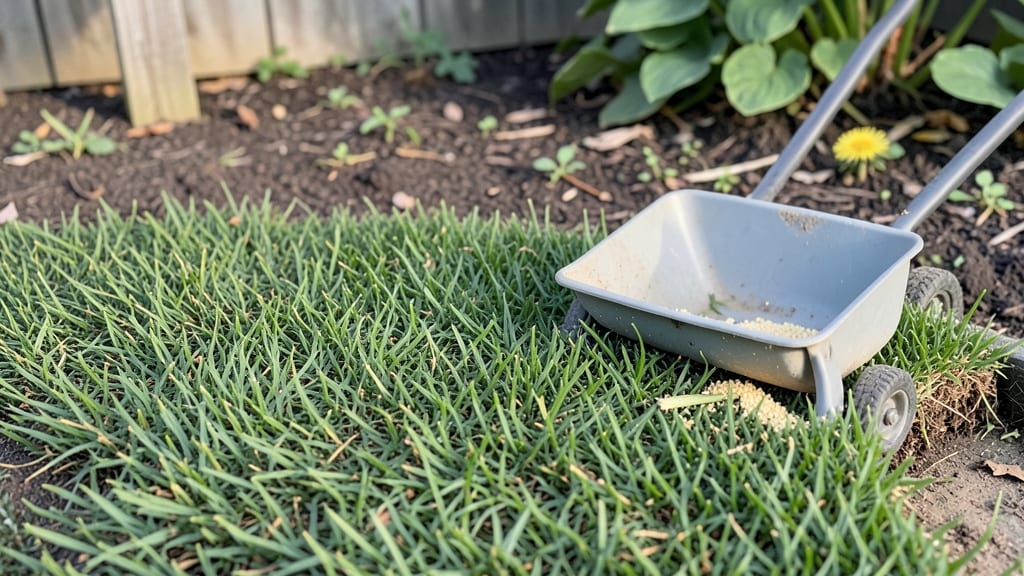
Timing matters because newly laid sod prioritizes root development over nutrient uptake.
During those first weeks, the grass focuses on establishing a strong foundation in the soil, which means fertilizer could actually stress the plants if applied too soon. 🌱 I’ve seen sod fail to take root properly when fertilized prematurely—it’s a common mistake that leads to patchy growth.
Instead, focus on keeping the soil consistently moist and free from foot traffic during this critical period.
Once roots are well-established, you’ll want to choose a fertilizer with a balanced NPK ratio (like 24-4-8) to support both leaf growth and root strength. Organic options like composted manure or fish emulsion work well for gradual nutrient release, while synthetic blends offer faster results.
Just remember: always water in the fertilizer thoroughly to prevent runoff, and avoid applying it when temperatures exceed 85°F.
💡 In This Article
- How Sod Root Establishment Affects Fertilizer Timing
- Step-by-Step Guide to First Fertilization After Sod Installation
How sod root establishment affects fertilizer timing
When you lay new sod, the grass blades you see are just the visible part of a complex underground process. Beneath the surface, the rhizomes (horizontal stems) and root hairs begin an intense growth spurt to anchor into the soil.
Within the first 7-10 days, these roots can extend up to 4-6 inches deep if conditions are ideal, but they need time to develop a dense network. This biological process is why waiting 4-6 weeks before fertilizing is critical—the roots must establish enough contact points to absorb nutrients efficiently.
The speed of root establishment depends heavily on soil moisture and temperature. Grass roots thrive in soil that stays consistently moist but not waterlogged, with optimal temperatures between 60-75°F.
In sandy soils, roots grow faster due to better aeration, while clay soils slow the process because they hold moisture tightly and restrict oxygen flow. 🌱 Rainfall patterns also play a role—drought conditions can stall root growth entirely, while steady rainfall accelerates it.
This is why regional climate matters: sod in humid Southern states may root faster than in arid Western areas.
Here's what happens if you fertilize too soon: the tender roots haven't developed enough surface area to absorb nutrients safely, leading to fertilizer burn. The high salt concentration from synthetic fertilizers or even organic amendments can dehydrate root cells, causing them to brown and die back.
I've seen cases where premature fertilization resulted in 30-50% root die-off within weeks, leaving the sod vulnerable to disease and weeds. The key is letting those roots grow deep enough to create a 3-4 inch root zone before introducing nutrients.
Environmental factors create additional timing nuances. For example, sod installed in spring (when soil temps are ideal) may be ready for fertilizer in 4 weeks, while fall-installed sod might take 6 weeks due to cooler temperatures slowing root growth.
Soil pH also matters—if your soil is acidic (below 6.0), roots struggle to absorb nutrients even after establishment. Testing pH before fertilizing can prevent wasted effort.
What most people overlook is how root depth correlates with drought resistance. Sod with roots extending 4+ inches can survive 7-10 days without water, while shallow-rooted sod wilts within 2-3 days. This is why the 4-6 week wait isn't just about timing—it's about building resilience.
The deeper the roots, the more stable your lawn will be long-term, and that stability starts with proper establishment before any fertilizer is applied.
Think of it like building a house: you wouldn't add paint or wallpaper until the foundation is poured and cured. Similarly, sod needs that root foundation before nutrients can properly fuel its growth.
Rushing this process is like trying to decorate before the drywall is hung—it might look fine at first, but problems will surface later. 💫