
When Should I Fertilize My Lawn in Houston Texas: Best Months for Year-Round Lushness

Fertilization

When Should I Fertilize My Lawn in Houston Texas: Best Months for Year-Round Lushness

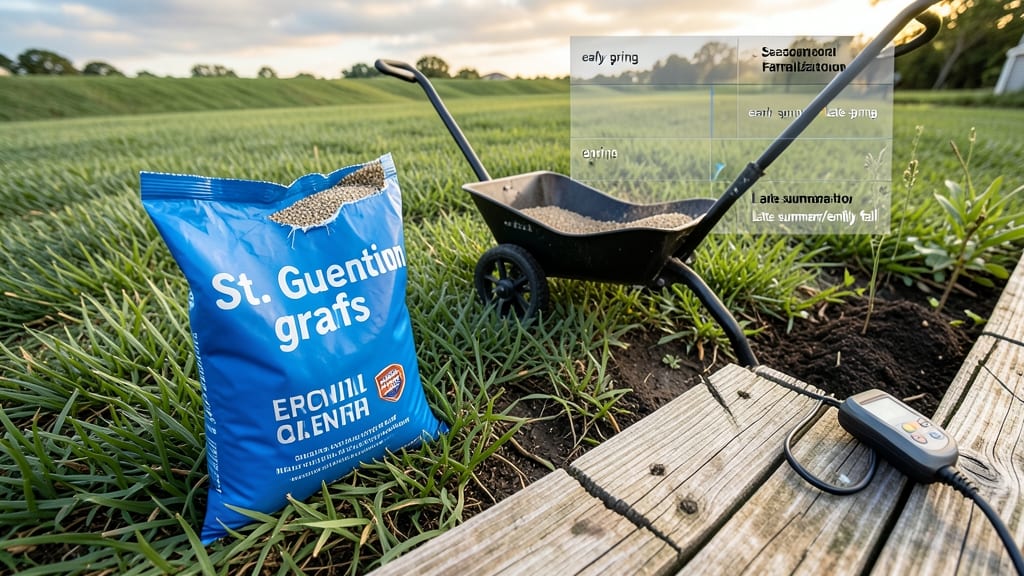
To fertilize your lawn in Houston, Texas, start with early spring and late summer feedings—timing that aligns with your turfgrass’s 🌱 natural growth cycles.

Houston’s humid subtropical climate means traditional schedules won’t cut it. Skip the guesswork and learn the exact months to fertilize for a lush, pest-resistant lawn that thrives in Texas heat.

Most lawns here need three key feedings a year—early spring to kickstart growth, late summer to recover from heat stress, and fall to strengthen roots before winter. But with Houston’s unpredictable rain and heat spikes, knowing when to apply fertilizer (and when to skip it) makes all the difference.

Below, I’ll walk you through the best months for each feeding, how Houston’s soil and weather affect timing, and the signs your lawn is actually ready for fertilizer—or if you’re overdoing it.

🌸
Spring
FEED
First application in early spring (Feb-Mar) to kickstart growth.
☀️
Summer
Avoid fertilizing during extreme heat (May-Aug).
🍂
Fall
FEED
Final feeding in Year-round (best in spring/fall) to strengthen roots before winter.
❄️
Winter
Light Feed (if needed)
Minimal feeding; only if grass shows signs of dormancy stress.

Houston lawn fertilization schedule by season: month-by-month breakdown

Houston’s humid subtropical climate creates unique challenges for lawn care—too much heat, humidity, or rain can throw off traditional fertilization timelines. Unlike northern lawns, Houston grass grows year-round, but peak feeding windows shift dramatically between seasons.

The key? Aligning fertilizer with Houston’s rainy seasons, heat spikes, and hurricane prep to avoid nutrient runoff or stress.

Most homeowners make the mistake of fertilizing during summer’s brutal heat or right before hurricane season, both of which waste nutrients and harm grass. Instead, we’ve mapped out a Houston-specific schedule that prioritizes root strength, drought resilience, and pest resistance while working with—not against—the local climate.

Month Fertilizer Action NPK Ratio Key Notes Houston-Specific Tip
January Light Feed 10-0-10 Post-winter recovery Avoid if frost occurs
February Full Feed 16-4-8 Spring growth kickstart Apply before chinch bug season
March Full Feed 16-4-8 Peak early spring growth Water deeply after application
April Light Feed 10-0-10 Pre-emergent herbicide window Apply before Bermuda grass sprouts
May Skip N/A Heat stress risk Focus on deep watering only
June Skip N/A Peak summer dormancy Mow higher (3.5") to retain moisture
July Skip N/A Hurricane season prep Avoid heavy watering before storms
August Skip N/A Heat + humidity stress Check for fungal diseases after rain
September Full Feed 16-4-8 Post-summer recovery

How Houston’s soil and weather affect fertilizer timing

Houston’s clay-heavy soil and humid subtropical climate create unique challenges for lawn fertilization. Unlike northern regions, where cool seasons dominate, Houston’s year-round growing potential means traditional schedules often backfire.

The high humidity accelerates nutrient breakdown, while our compacted clay soil struggles to absorb water and fertilizer efficiently. Without adjustments, you risk burning your grass or wasting expensive nutrients.

Most national fertilization guides recommend spring and fall feedings, but Houston’s extended heat waves and summer rainfall patterns demand a different approach. For example, what works for Bermuda grass in Dallas may stress your St. Augustine lawn in Houston.

The key lies in understanding how chinch bugs, grubs, and water restrictions alter your timing—and how to work with Houston’s soil instead of against it.

⚠️

Houston-Specific Fertilizer Risks

Your Houston lawn faces three critical risks when fertilizing on standard schedules:

  • Clay soil compaction: Fertilizer sits on surface instead of penetrating roots, leading to nutrient runoff and burned patches.
  • Humidity-induced pests: Over-fertilizing in summer attracts chinch bugs and grubs, which thrive in Houston’s damp heat.
  • Water restrictions: Houston’s stage 3 drought alerts often coincide with peak growth months, making over-fertilization illegal and wasteful.

Solution:

Use slow-release fertilizers with mycorrhizal fungi to improve clay soil absorption, and skip summer feedings entirely to avoid pest outbreaks.

Houston’s clay soil is particularly problematic because it holds nutrients tightly but also restricts root growth. When you apply fertilizer, the granules often dissolve too quickly in the humid air, creating a high-salt surface layer that burns grass blades.

To counteract this, I recommend core aeration every 6 months—especially before your spring and fall feedings—to create channels for nutrients to reach roots.

The humidity factor is another game-changer. In Houston, 90% humidity isn’t unusual, and this moisture speeds up nutrient leaching from the soil. What might last 6 weeks in a drier climate can wash out in 2-3 weeks here.

That’s why I switch to controlled-release fertilizers with a 60-90 day timeline—they release nutrients gradually, matching Houston’s faster decomposition rate.

Don’t forget about Texas-specific pests like chinch bugs and grubs, which become more aggressive after fertilization. These pests are drawn to new grass growth, so timing is critical. I’ve found that applying preventative treatments in late August—just before the first fall feeding—significantly reduces their impact.

Pair this with regular mowing at 3-4 inches to discourage their presence.

Finally, Houston’s water restrictions often clash with fertilization schedules. During stage 3 droughts (common in summer), many cities ban fertilizer use entirely. Always check your local water authority’s guidelines before applying anything.

When restrictions lift, I recommend a light feeding in early September to help grass recover from summer stress without overloading the system.

★★★★★4.9(3 reviews)
Categories Fertilization