
Lawn
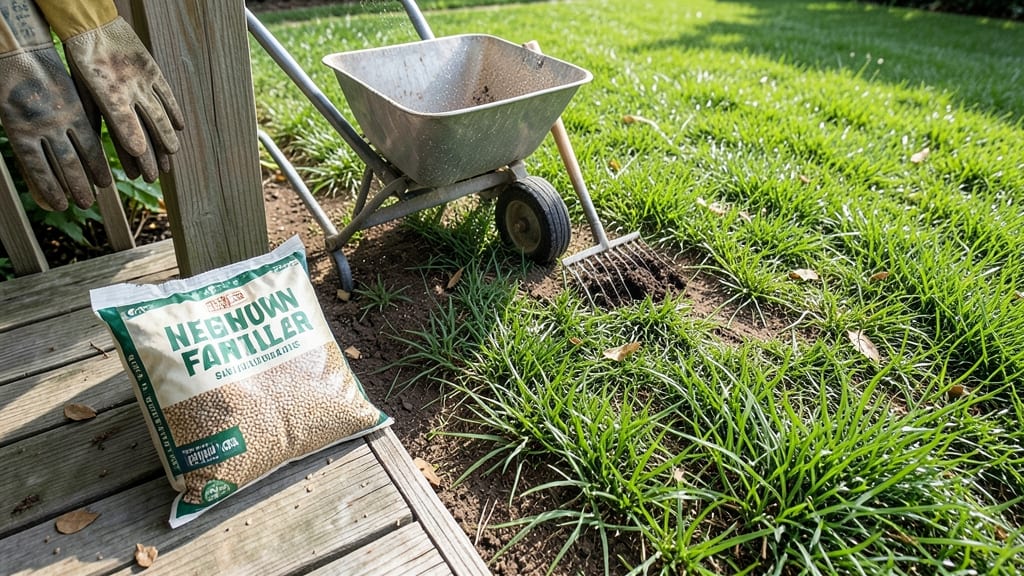
Fertilizing your lawn in Texas at the right times is the secret to a thick, green carpet that survives brutal summers and alkaline soil.
Picture this: you’ve just spent $100 on fertilizer, spread it carefully, and two weeks later, your grass looks the same—maybe even worse. That’s what happens when you feed it in the wrong season.
Texas lawns need a precise schedule, not a one-size-fits-all approach, to avoid wasting money or burning your grass.
Most Texas homeowners get it wrong by fertilizing too late in spring or too early in fall—both mistakes stress the grass when it’s already struggling with heat or cold.
The best months to fertilize depend on your grass type (warm-season vs. cool-season) and your region’s climate zone, from North Texas’s cooler winters to South Texas’s year-round growing season.
In this guide, I’ll walk you through the exact fertilization calendar for lush, drought-resistant growth, including when to apply pre-emergent herbicides, how to adjust for drought or heavy rain, and which fertilizers work best for your Texas lawn’s unique challenges.
Texas lawn fertilization schedule by season: month-by-month breakdown
Texas’ extreme climate demands a precision fertilization schedule to keep your lawn thriving year-round. Unlike northern states, Texas lawns experience two distinct growing seasons—warm-season grasses (like Bermuda and Zoysia) dominate summer, while cool-season grasses (like St. Augustine) shine in spring and fall.
Fertilizing at the wrong time can burn grass or attract pests, so timing is everything.
Most Texas lawns need 4 key feedings per year, split between spring and fall, with pre-emergent herbicide applications timed to block weeds before they sprout.
The USDA zones 8a-10a in Texas mean your schedule should adjust slightly depending on whether you’re in North Texas (cooler winters) or South Texas (warmer year-round). Here’s the science-backed breakdown.
⚠️ Critical Note: Never fertilize during peak summer heat (June–August) or when soil is waterlogged. Texas’ alkaline soil also means you’ll need to test pH annually—aim for 6.0–7.0 for optimal nutrient uptake.