
Fertilization
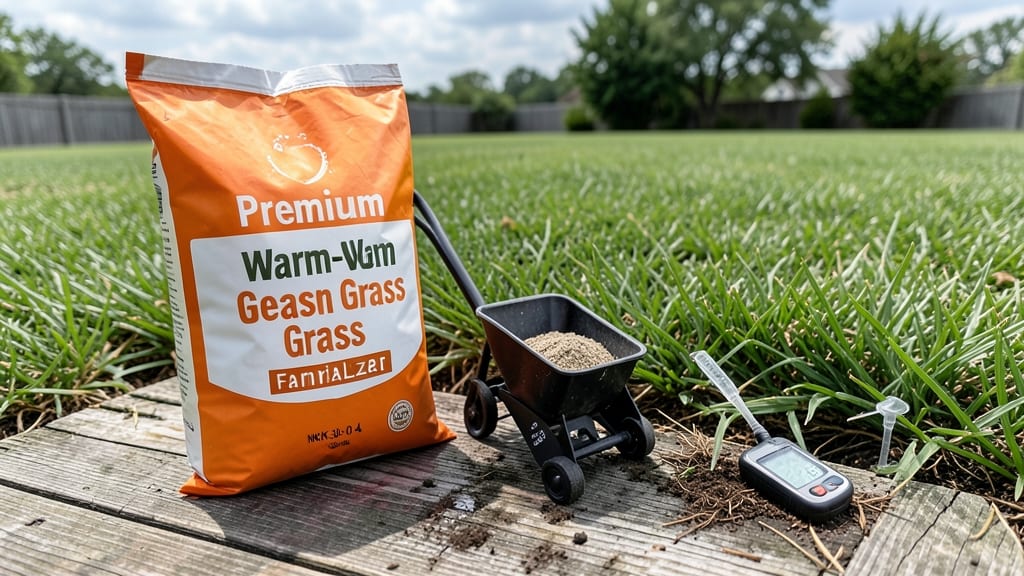
To fertilize lawns in Houston, aim for early spring (February–March) and late summer (August–September) when soil temperatures stay above 60°F. This timing avoids heat stress and drought while maximizing nutrient absorption for grass types like Bermuda, St. Augustine, or Zoysia. Slow-release fertilizers work best for consistent growth.
Houston's humid subtropical climate means soil stays warm longer than in northern regions, but extreme summer heat can actually burn grass roots when fertilizing. 🌱 I've seen firsthand how Bermuda grass thrives with spring feeding, while St. Augustine benefits more from late-summer applications when temperatures dip slightly.
The key is monitoring soil temps—anything below 60°F slows nutrient uptake, making your fertilizer money go to waste.
Pro tip: If you missed the spring window, don't panic—just wait until August when humidity rises and rainfall increases. That's when I schedule my second application, pairing it with a light watering to help the granules break down evenly.
For drought-prone summers, consider a half-dose fertilizer with extra potassium to strengthen root systems against heat stress.
💡 In This Article
- Houston’s Ideal Soil Temperature for Fertilizing Grass
- Step-by-Step Houston Lawn Fertilization Schedule by Season
Houston’s ideal soil temperature for fertilizing grass
Houston’s humid subtropical climate creates a unique challenge for lawn care—soil temperatures here stay warm year-round, but not all warmth is ideal for fertilizing. The critical threshold is 60°F, where grass roots become metabolically active enough to absorb nutrients efficiently.
Below this mark, microbial activity slows, and fertilizer simply sits in the soil without benefiting your lawn. In Houston, this typically means avoiding applications during our coolest months (December–February), when nighttime temps can drop below 55°F.
What makes Houston different is how quickly soil heats up in spring. By late February, surface temps often reach 65°F during the day, but the deeper root zone (where most nutrient uptake happens) lags behind.
That’s why I recommend waiting until March when the 4-inch soil depth consistently stays above 60°F—this aligns with Bermuda grass’s natural growth surge and gives St. Augustine time to recover from winter dormancy.
You can check temps with a soil thermometer or use the "fist test": if your soil feels cool when pushing your fist in, wait a week or two.
The science behind this involves root respiration rates. Grass roots need energy to process nitrogen and phosphorus, and their metabolic activity doubles for every 10°F increase above 60°F.
In Houston’s summer, soil can exceed 90°F at depth, which actually stresses roots—this is why late summer (August–September) works better than peak summer. The higher humidity during these months also helps fertilizers dissolve more evenly, preventing salt burn that can occur when granules concentrate on dry soil.
Different grass types respond differently to these temperature cues. Bermuda grass, for example, enters dormancy when soil temps drop below 55°F, making spring fertilization critical for its first flush of growth.
St. Augustine, on the other hand, is more tolerant of cooler soils and can handle late-winter applications if temps stay above 58°F. Zoysia falls somewhere in between, benefiting from both spring and fall feedings when Houston’s soil temps hover around 65-75°F.
Here’s what happens if you fertilize outside these windows: In cool weather, nutrients get "locked up" in the soil, waiting for warmer conditions to become available. In extreme heat (above 90°F), fertilizer salts can actually draw moisture out of grass blades, causing brown patches.
That’s why I always pair spring applications with a 1-inch watering afterward—it helps nutrients penetrate while preventing burn. For Houston’s clay-heavy soils, consider a slow-release fertilizer with sulfur-coated granules to match the natural temperature fluctuations.
Pro tip: Use a soil thermometer to track temps at 4-inch depth—this is where most grass roots live. In Houston, this depth typically stays 5-10°F cooler than surface temps, so don’t judge by the air temperature alone.
When you see consistent readings above 60°F for 3-5 days, that’s your green light to fertilize! 🌱