
Plants
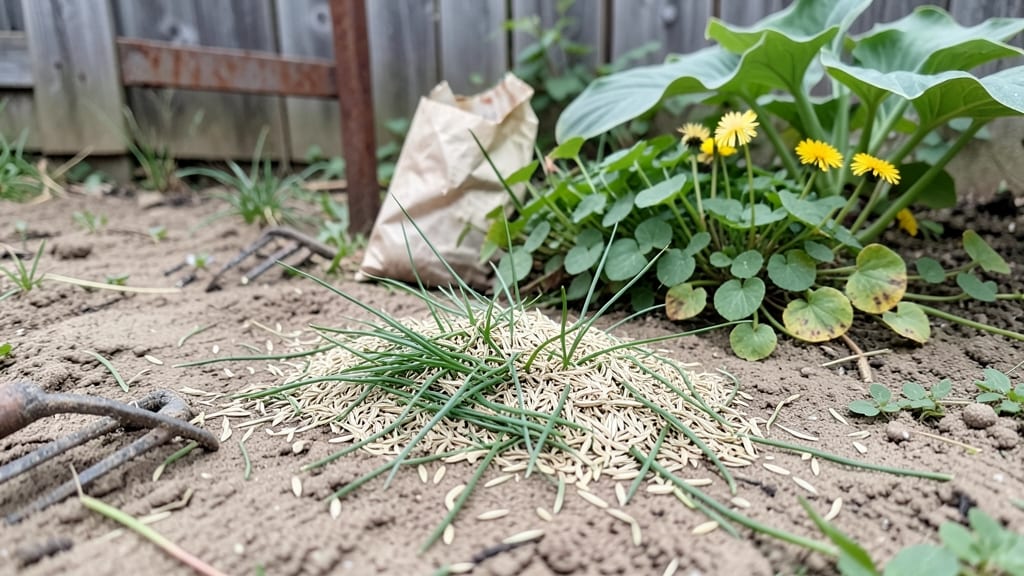
The best time to plant grass seed in fall is 4-6 weeks before the first frost date, giving roots time to anchor before winter dormancy. Northern areas should plant by mid-September, while southern regions can wait until October.
The timing matters because cool-season grasses like fescue and rye need 50-65°F soil temperatures to germinate properly. Planting too early risks weed competition, while waiting too late limits root development before frost.
I've found that checking your local USDA hardiness zone helps narrow down the perfect window—each zone has slightly different frost patterns. For example, Zone 5 gardens might need to start by late August, while Zone 8 can wait until early November.
What's interesting is how regional climate affects this timing. In the Pacific Northwest, for instance, you might plant as late as October due to milder winters, whereas the Midwest could see frost by mid-October.
Always verify your last frost date from a trusted agricultural source—it's the single most important factor in successful fall seeding. 🌱
💡 In This Article
- How Fall Soil Temperatures Affect Grass Seed Germination
- Regional Fall Grass Seed Planting Calendar by Climate Zone
How fall soil temperatures affect grass seed germination
Cool-season grasses like tall fescue and Kentucky bluegrass thrive when soil temperatures hover between 50-65°F. This range triggers optimal enzymatic activity in the seed, allowing it to break dormancy and establish roots before winter dormancy sets in.
Below 50°F, germination slows dramatically, while above 65°F, seeds may sprout too quickly and struggle to develop deep roots before frost.
The sweet spot occurs when daytime highs reach 60-70°F and nights dip to 45-55°F—this temperature swing actually signals the seed that conditions are right for growth. 🌱
Here's what's actually happening at the cellular level: The seed's radicle (embryonic root) begins growing when soil moisture and warmth activate enzymes that break down starches into simple sugars. These sugars fuel root elongation, but the process stalls if temperatures drop below 45°F for more than 24 hours.
Research from the University of Nebraska shows that seeds planted in 55°F soil can achieve 80% germination rates within 10-14 days, compared to just 30% in 45°F soil. The difference comes down to enzyme efficiency—warmer soils accelerate metabolic reactions by 2-3x.
Timing matters because of how weeds and grass compete. Planting too early (before 75°F soil) risks giving weeds like crabgrass a head start—they germinate faster in warm conditions and can smother young grass.
Conversely, late planting (within 4 weeks of frost) leaves roots vulnerable to winter kill because they haven't developed sufficient carbohydrate reserves.
The 4-6 week window balances these risks by ensuring grass has 4-6 weeks of active growth before dormancy, which translates to 3-5 inches of root depth—enough to survive winter moisture fluctuations. 💪
USDA hardiness zones create dramatic variations in this window. For example, Zone 3 (northern Minnesota) may see frost by October 15, leaving only 4 weeks for planting, while Zone 8 (southern California) might have until November 15.
The key is calculating backward from your average first frost date—subtract 4-6 weeks to find your planting window. Pro tip: Use the National Oceanic and Atmospheric Administration's (NOAA) frost maps for precise local data, as microclimates can shift planting dates by 1-2 weeks even within the same zone.
What most people don't realize is how soil texture affects temperature regulation. Sandy soils warm and cool faster than clay soils, which can create a 5-10°F temperature difference between the two.
In sandy areas, you might need to plant 1-2 weeks earlier to compensate, while clay soils can handle slightly later plantings. Always test your soil's moisture-holding capacity too—dry soils heat up faster during the day and lose heat at night, creating temperature swings that stress young seedlings.
A simple moisture meter can help you adjust watering to maintain that 50-65°F range. ✨
Consider this real-world example: In Zone 5 (Chicago area), planting tall fescue in early September (when soil temps are 60-65°F) yields 75% germination and 4-inch roots by frost, while planting in late September (when temps drop to 50°F) results in only 50% germination and 2-inch roots.
The difference comes down to those 2 weeks of warmer soil—enough time for the grass to build resilience. This is why regional planting calendars exist: they account for these microclimatic variations that can make or break your lawn's winter survival. 🌿