
Lawn
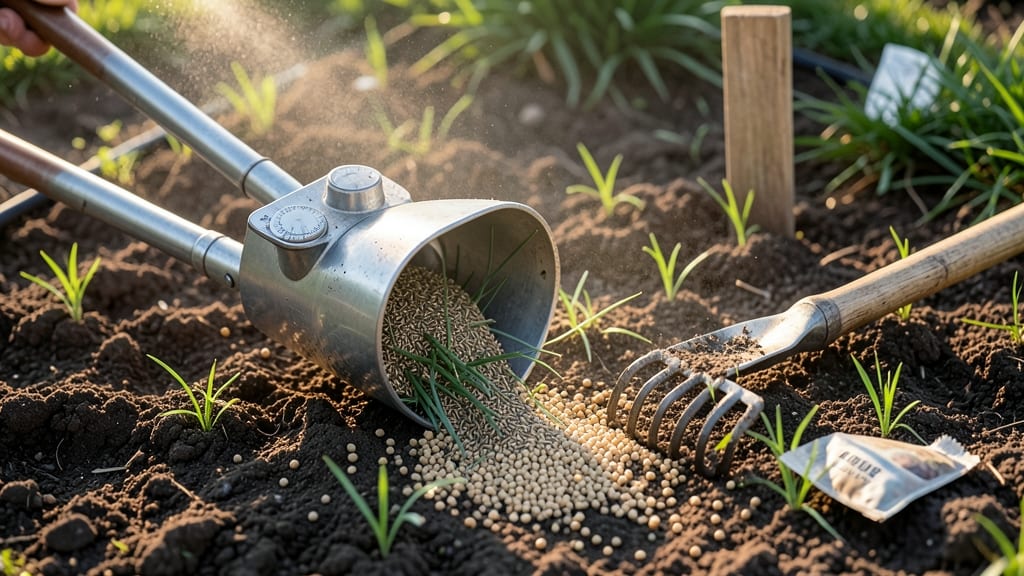
Planting lawn seed in the fall is your best shot at a thick, drought-resistant lawn by spring—just don’t wait too late.
Fall is the perfect time to plant lawn seed—but timing matters more than you think. Plant too early, and weeds steal your space; too late, and cold snaps stunt growth. Here’s the exact window for your zone to ensure a lush, drought-resistant lawn by spring.
In USDA Zone 6 (like much of the Midwest), aim for late August through early October—when soil stays warm enough for germination but nights cool down to slow weed growth. This 6-week window is your sweet spot, but northern zones have a shorter margin than southern ones.
Below, I’ll break down the zone-specific weeks to plant, how to prep your soil, and the 3 key steps to keep your new grass thriving through winter. Skip the guesswork and get it right the first time.
Fall lawn seed planting calendar by US growing Zones
Fall is the golden window for planting lawn seed because cool temperatures reduce weed competition, and soil stays warm long enough for strong root growth. But timing varies dramatically by USDA zone—plant too early, and weeds dominate; too late, and frost halts germination.
I’ve broken down the ideal weeks for each zone to maximize your lawn’s success.
Your soil temperature is the #1 factor. Aim for 60-75°F soil temps—this gives seeds enough warmth to germinate while avoiding summer’s heat stress. Northern zones need earlier planting, while Southern areas can seed later. Let’s dive into the exact week-by-week calendar for your region.
If you’re in Zones 3-4, act fast—your window closes by mid-September. These Northern regions experience earlier frosts, so seeds need 6-8 weeks to establish roots before winter. I recommend tall fescue blends here—they handle cold better than other grasses.
For Zones 5-6, aim for Mid-September to early October. This gives seeds time to germinate before soil temps drop below 50°F. A pro tip: Test your soil’s moisture retention—dry spells in fall can stall germination faster than cold.
Southern gardeners in Zones 7-8 have more flexibility—plant through mid-November. The key is avoiding summer heat stress while still capturing fall’s weed suppression benefits. Kentucky bluegrass thrives here but needs consistent moisture.
In Zones 9-10, you can even seed in November or December—just monitor rainfall patterns. These areas rarely see frost, but cool nights trigger slower growth. Bermuda grass varieties work well if you’re in this zone.
Pro move: Use a soil thermometer to confirm temps. If your soil runs cooler than 60°F, delay planting until conditions improve. Patience here prevents seed rot and ensures stronger roots before winter.
Remember, weed competition is your #1 enemy in early fall. Planting at the right time gives your grass a 6-8 week head start before weeds like crabgrass wake up in spring. For extra protection, apply a pre-emergent herbicide 2 weeks after seeding.
Finally, adjust for microclimates. Shady spots cool faster—plant those areas 1-2 weeks earlier than sun-exposed lawns. With this zone-specific calendar, your lawn will be thick, green, and drought-resistant by next spring.
How to choose fall seed varieties for drought resistance
Selecting the right fall seed varieties is key to a drought-resistant lawn that thrives through winter and springs back stronger. Cool-season grasses like tall fescue and Kentucky bluegrass are top picks for their deep root systems that access moisture efficiently.
These varieties also handle foot traffic better than warm-season grasses, making them ideal for families and pets.
For Southern climates (Zones 7-10), look for drought-tolerant ryegrass blends that germinate quickly in cooler temps. In Northern regions (Zones 3-6), tall fescue hybrids like 'Titan' or 'Turftype' outperform others by staying green longer and resisting drought stress.
Always check the USDA zone compatibility on the seed packet to match your local climate.
Pro Tip: Seed blends often combine multiple varieties for better weed suppression and disease resistance. For example, a blend with 60% tall fescue and 40% Kentucky bluegrass balances durability with quick establishment. Scan seed labels for germination rates—aim for 80%+ to ensure strong starts before winter.
🌱 Fall Seed Variety Guide: Drought-Resistant Grasses
| Variety | Drought Tolerance | Germination Time | Weed Suppression |
|---|---|---|---|
| Tall Fescue | ⭐⭐⭐⭐ | 7-14 days | High |
| Kentucky Bluegrass | ⭐⭐⭐ | 10-21 days | Moderate |
| Annual Ryegrass | ⭐⭐⭐⭐⭐ | 5-10 days | Low |
⭐ = Tolerance Level (1 = Low, 5 = High)
When reading seed labels, prioritize pure live seed (PLS) percentages—higher PLS means fewer fillers like sand or clay. Look for pre-emergent herbicide options if weeds are a concern, but avoid post-emergent treatments until after germination.
For Southern lawns, Bermuda grass mixes with ryegrass can create a two-season lawn that handles both heat and drought.
My #1 recommendation for Northern climates is 'TurfType' tall fescue—it stays green through light frosts and recovers faster in spring. Pair it with a starter fertilizer (10-20-10) to boost early root growth.
In drier regions, consider deep-rooted buffalo grass blends for zero-maintenance drought resistance, though they grow slower initially.
For urban lawns with compacted soil, fine fescue blends thrive in shadier spots while still offering moderate drought tolerance. Always test your soil’s pH (6.0-7.0 ideal) and amend with compost or sulfur if needed.
A thick lawn outcompetes weeds naturally, so aim for 1.5-2 lbs of seed per 100 sqft for best coverage.
Remember: Fall planting gives grass roots 6-8 weeks to establish before winter. Choose varieties that match your local microclimate—coastal areas may need more salt-tolerant blends, while inland zones benefit from heat-tolerant hybrids. With the right seeds, your lawn will outlast droughts and outperform neighbors’ spring plantings.