
Plants
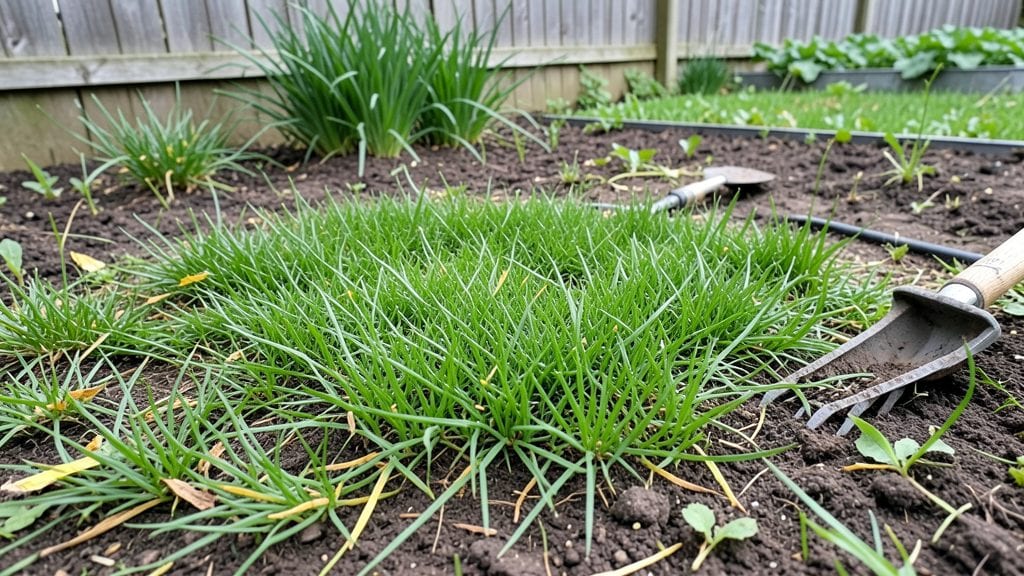
The best time to plant grass in the fall is 4-6 weeks before the first frost, allowing roots to establish before winter dormancy. For most regions, this falls between mid-September and early October, but adjust for cooler climates (late August) or warmer zones (November).
The timing of fall grass planting hinges on your local frost date, which determines how long your new grass has to develop strong roots before winter slows growth. 🌱 Cooler northern regions like the Midwest or New England often need earlier planting (late August) to give grass enough time to root before hard freezes, while southern states can extend planting into November.
I've seen dramatic differences in survival rates when planting too late—grass planted in October in Zone 6 might not establish before winter, while the same timing works perfectly in Zone 8.
This window isn't just about avoiding frost—it's about matching your grass type to your climate. Cool-season grasses like Kentucky bluegrass and fescue thrive when planted in fall, while warm-season grasses like Bermuda should be planted in spring.
The key is preparing your soil properly: testing pH (aim for 6.0-7.0), loosening the top 4-6 inches, and choosing seed specifically rated for your hardiness zone.
💡 In This Article
- Fall Grass Planting Timeline by U.S. Climate Zones
- Preparing Soil and Seed for Fall Grass Success
Fall grass planting timeline by U.s. climate Zones
The optimal fall planting window varies dramatically across the U.S. based on USDA hardiness zones, with each zone requiring 4-6 weeks of root development before average first frost dates.
In Zone 3 (northern New England, Upper Midwest), plant by late August—frost can arrive as early as October 15, leaving only 6-8 weeks for root establishment. Meanwhile, Zone 7 (Mid-Atlantic, Midwest) can plant until mid-October, with frost typically hitting November 15.
Coastal regions present unique challenges. The Pacific Northwest (Zones 7-9) often has milder winters, allowing planting until late October, but wet soils can delay germination.
Conversely, the Deep South (Zones 8-9) may experience early frosts in inland areas (e.g., Atlanta averages frost by November 10), while coastal cities like Miami (Zone 10) can plant through December for winter germination.
Here's what's actually happening: Grass roots need 50-60°F soil temperatures for optimal growth, which occurs in fall before ground cools. In Zone 5 (Northeast, Great Lakes), this means planting by September 20—any later and roots may not reach 3-4 inches deep before dormancy.
The 10°F soil temperature threshold (when growth stops) varies by zone: Zone 4 hits it by November 1, while Zone 6 extends to November 15.
What most people don't realize is how microclimates affect timing. A south-facing slope in Zone 6 might stay warm enough for planting until October 31, while a north-facing valley could need planting by September 15.
Even within cities, urban heat islands can delay frost by 1-2 weeks—check local weather stations, not just zone averages. For example, Chicago's city center often has 5°F warmer minimum temps than suburbs.
Regional exceptions matter too. The Southeast (Zones 7-8) frequently faces early frosts due to high elevation—plant tall fescue by September 1 in Asheville, NC, even though it's Zone 7. Meanwhile, California's Mediterranean climate (Zones 8-10) allows late fall planting (through November) because winter rains promote germination.
Always verify your last average frost date from USDA Plant Hardiness Zone Map and subtract 6 weeks.
Pro tip: Use a soil thermometer to confirm 50-60°F soil temps before planting—this is more reliable than air temperature. In Zone 5, I've seen 3-day soil temps drop from 55°F to 45°F between September 25 and October 1, forcing an earlier planting window. 🌱