
Lawn
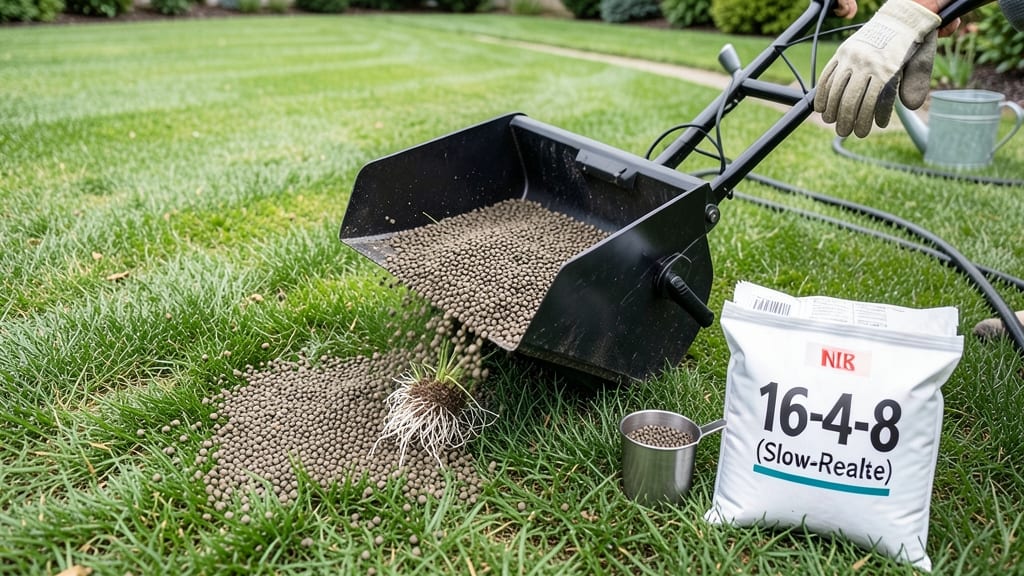
To fertilize lawns properly, time it based on grass type and local climate: cool-season grasses like Kentucky bluegrass need feeding in early spring, late spring, and fall, while warm-season grasses such as Bermuda peak with spring and summer applications. Shift your schedule by 2-4 weeks for southern versus northern regions.
Your lawn's health hinges on matching fertilizer applications to its natural growth cycles.
Cool-season grasses wake up in spring and need that first feeding to break dormancy, while warm-season varieties like Bermuda thrive when soil temperatures hit 65°F—usually late spring or early summer. 🌱 I've seen homeowners in Zone 7 push their spring feeding back to May to avoid washing nutrients away in heavy April rains, while northern lawns often benefit from an extra fall application to strengthen roots before winter.
Climate plays a bigger role than most realize: in humid southern regions, fertilizing too early can lead to fungal growth, while northern lawns may need that late-spring boost to compensate for shorter growing seasons. Always check your USDA zone and local frost dates—these are your true north for timing adjustments.
💡 In This Article
- Best Fertilization Schedule by Grass Type
- Climate Zone Adjustments for Lawn Fertilization
Best fertilization schedule by grass type
Cool-season grasses like Kentucky bluegrass and fescue grow actively when temperatures dip between 60-75°F, which is why they need three key feedings: early spring (March-April) to break dormancy, late spring (May-June) for peak growth, and fall (September-October) to strengthen roots before winter.
The science here is about matching nitrogen release rates—slow-release fertilizers work best in spring, while quick-release in fall helps roots absorb nutrients before soil freezes.
Warm-season grasses such as Bermuda and Zoysia, on the other hand, stay dormant in winter and only wake up when soil temperatures hit 65°F—typically May or June. These grasses need two feedings: spring (May-June) for summer growth and late summer (July-August) to prepare for fall dormancy.
The difference comes down to their growth cycles: cool-season grasses grow in cooler months, while warm-season varieties thrive in heat. 🌿 For example, a Bermuda lawn in Texas might need its first feeding in early May, while the same grass in Virginia could wait until late May.
Identifying your grass type is crucial—simply pull up a small patch and examine the blade structure. Cool-season grasses have flat blades and grow in bunches, while warm-season types often have broader blades and grow in clumps.
If you're unsure, test with a simple soil sample: cool-season grasses prefer 6.0-7.0 pH, while warm-season varieties thrive in 6.0-6.5 pH. This pH difference affects nutrient availability, so adjusting your fertilizer blend accordingly can make a huge difference in results.
One common mistake I see is fertilizing at the wrong growth stage. For instance, applying nitrogen in late fall to cool-season grasses can lead to weak growth before winter, while feeding warm-season grasses in spring too early (before 65°F soil temps) wastes nutrients.
The key is to align your feeding schedule with when your grass is actively growing—not when you think it should be growing. 🌱
For mixed lawns, split your approach: apply a slow-release fertilizer in spring for cool-season grasses while waiting until late spring for warm-season varieties. Many homeowners use a two-step process—first for cool-season grasses in March, then again in May for warm-season types.
This staggered timing ensures both types get the nutrients they need without competing for resources.
Pro tip: Always water your lawn after fertilizing to help nutrients penetrate the soil. For cool-season grasses, aim for 1 inch of water per week; for warm-season types, 1-1.5 inches helps prevent nutrient burn. The right watering schedule can double your fertilizer's effectiveness by ensuring proper absorption.