
Blooming
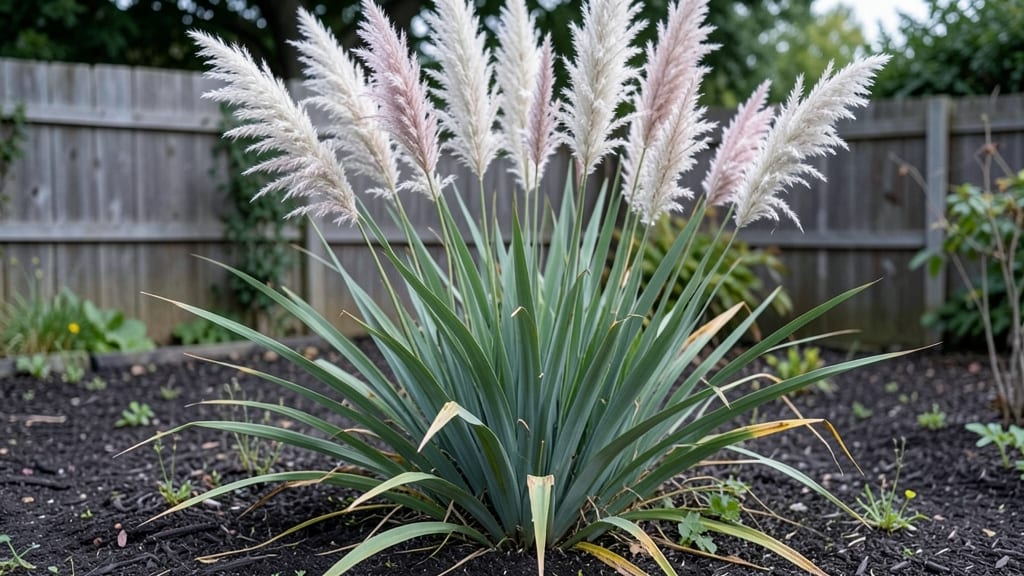
Pampas grass flowers bloom between July and September in most temperate climates, with fluffy plumes appearing from mid to late summer, though exact timing depends on regional conditions and specific varieties.
Timing isn't just about the calendar—it's also about your local climate and microclimate.
Pampas grass (Cortaderia selloana) thrives in USDA hardiness zones 7-11, but cooler regions may see blooms delayed until late summer or even early fall. 🌿 For example, coastal areas often experience earlier flowering due to milder temperatures, while inland zones might push blooms into September.
The key is providing well-draining soil and full sun exposure, which helps trigger the flowering process more consistently.
What many gardeners don't realize is that some varieties bloom earlier or later than others. The compact 'Pumila' cultivar tends to flower slightly ahead of standard types, while 'Alba' (white plumes) may lag behind by a week or two.
Pruning spent flower stalks in late winter can encourage more robust blooms the following season, though it's best to wait until after the first frost in colder regions.
💡 In This Article
- Factors Influencing Pampas Grass Bloom Timing
- Best Pampas Grass Varieties for Extended Blooms
Factors influencing pampas grass bloom timing
Temperature is the single most critical factor in triggering pampas grass blooms, with ideal ranges between 65°F and 85°F during active growth. The plant requires consistent warmth to develop flower buds, but prolonged exposure above 90°F can delay blooming or reduce plume quality.
This is why coastal regions often see earlier flowering—their moderate temperatures create perfect conditions without extreme heat stress. For example, San Diego typically sees blooms begin in early July, while inland areas like Phoenix may wait until mid-August.
Sunlight exposure directly impacts bloom timing, with pampas grass needing at least 6-8 hours of direct sunlight daily. Partial shade can delay flowering by 2-4 weeks as the plant diverts energy to leaf production instead of reproductive growth.
The plant's native South American habitat receives intense sunlight year-round, so replicating this in gardens is essential. Microclimates matter too—south-facing slopes often bloom 1-2 weeks earlier than north-facing areas due to increased solar exposure and warmer soil temperatures.
Frost plays a paradoxical role in bloom cycles. While pampas grass thrives in USDA zones 7-11, a light frost in late spring can actually stimulate flowering by signaling the end of winter dormancy. However, late frosts after buds form can damage emerging plumes.
In colder regions like zone 6, gardeners often protect plants with burlap wraps during critical bloom periods. The plant's deep root system helps it survive temperature fluctuations, but consistent cold snaps can push blooms into late September or October.
Soil conditions affect bloom timing through water availability and nutrient uptake. Well-draining soil prevents root stress that could delay flowering, while overly wet conditions can cause 2-3 week delays as energy goes toward survival.
The ideal soil pH of 6.0-7.5 ensures proper nutrient absorption, particularly phosphorus which is crucial for flower development. Organic matter like compost can advance blooming by 10-14 days by improving soil structure and microbial activity that supports root growth.
Regional growing zones create dramatic variations in bloom timing. In zone 8 (like Atlanta), blooms typically appear in late July, while zone 10 (Miami) may see continuous flowering from June through October.
The compact 'Pumila' variety often blooms 1-2 weeks earlier than standard types due to its more aggressive growth habit. Understanding these regional patterns helps gardeners select appropriate varieties and adjust care routines accordingly.
What most gardeners overlook is how wind patterns influence bloom visibility. Pampas grass plumes are often wind-pollinated, so areas with consistent breezes may show more pronounced blooms. In sheltered locations, plumes might appear fuller but less fluffy due to reduced wind exposure.
This microclimate effect explains why urban gardens sometimes produce less dramatic displays than rural properties with open spaces.