
Fertilization
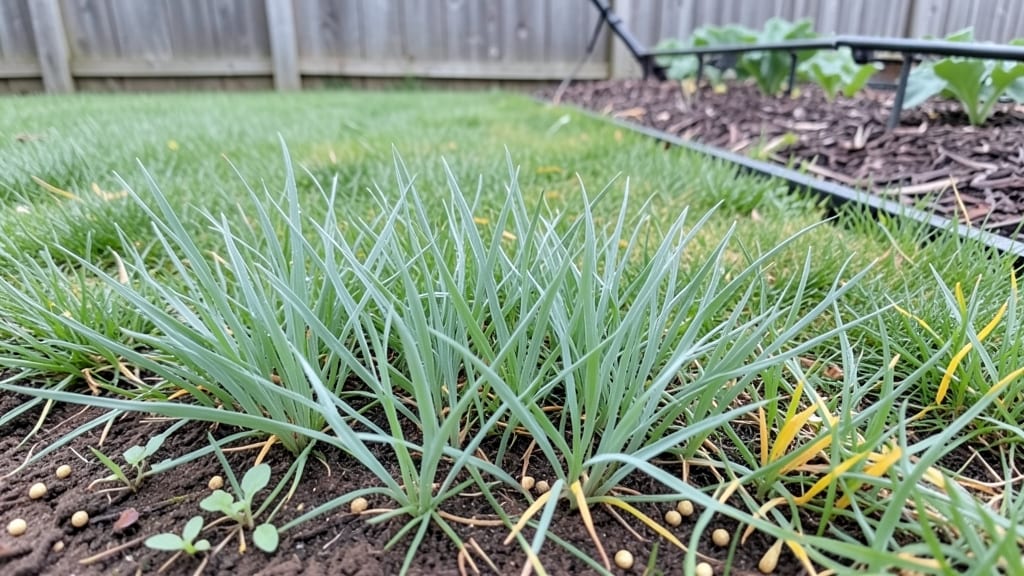
To fertilize grass, aim for early spring (March–April) and fall (September–October) when soil temperatures hit 50–55°F, fueling root development and vibrant lawn growth. Adjust your schedule based on your USDA hardiness zone—cooler regions may need late spring/early summer applications, while warmer areas benefit most from fall feedings.
Timing matters because grass growth cycles align with soil warmth.
Cool-season grasses like Kentucky bluegrass thrive when temperatures rise in spring, while warm-season varieties such as Bermuda grass need summer heat to activate. 🌱 I always check soil temps with a simple thermometer—if it's below 50°F, the nutrients won't activate properly, wasting your fertilizer.
Regional differences are huge: Northern states might need a third feeding in late summer, while Southern lawns often skip spring entirely.
For precision, I recommend splitting applications into three key phases: early spring for root revival, late spring/early summer for peak growth, and fall for winter prep. This approach mirrors how professional lawn care services schedule treatments—consistency beats one-time heavy doses.
Just remember: never fertilize when grass is dormant, or you'll risk burning the blades instead of feeding them.
💡 In This Article
- Soil Temperature and Seasonal Triggers for Grass Fertilization
- Fertilizer Schedule by USDA Hardiness Zone and Grass Type
Soil temperature and seasonal triggers for grass fertilization
Grass fertilization timing isn't just about calendar months—it's a precise dance with soil temperatures that unlock nutrient absorption. Cool-season grasses like fescue and ryegrass need soil at 50–55°F to activate their growth engines, while warm-season varieties such as St. Augustine or centipede grass require 60–70°F soil to metabolize fertilizer efficiently.
Below these thresholds, microbial activity in the soil slows dramatically, leaving nutrients locked away until conditions improve.
The science behind this involves enzyme activity in grass roots. At 50°F, enzymes like nitrate reductase begin converting fertilizer nitrogen into forms the plant can use. Drop below 45°F, and these enzymes become sluggish—like a car engine struggling to turn over in cold weather.
Warm-season grasses, meanwhile, have enzymes optimized for higher temperatures, which is why they must wait for summer heat to activate. A soil thermometer (available for $15–$25) inserted 4 inches deep—where most roots live—gives the most accurate reading.
Seasonal shifts create a natural rhythm for grass growth. In spring, cool-season grasses emerge from dormancy when soil warms, making March–April ideal for first applications. The 6–8 week window before summer heat stress hits ensures roots establish before the plant focuses on leaf growth.
Fall applications in September–October capitalize on the "second flush" of growth before winter dormancy, when soil temps remain mild but days grow shorter—a perfect balance for nutrient uptake without excessive top growth.
Regional variations turn this into a moving target. In USDA Zones 3–5 (think Minnesota to Maine), late spring (May–June) applications become critical because cold soils delay spring warming.
Southern states in Zones 8–10 often skip spring entirely, applying only in late summer/fall when summer heat has passed but soil remains warm. The key is matching your schedule to when your grass naturally wakes up—not the calendar.
What most people overlook is how moisture levels interact with temperature. Fertilizer needs 0.5–1 inch of rain within 24–48 hours of application to dissolve and move into the root zone. In dry climates, this means watering immediately after spreading—without it, you're essentially dusting your lawn with expensive salt.
The 1:1 ratio of nitrogen to moisture is why professional lawn care often pairs fertilization with irrigation schedules.
Here's a pro tip: If you're in a transitional zone (like Zone 6–7), split your spring feeding into two lighter applications—one in early April when soil hits 50°F, and another in late May when temps stabilize above 60°F.
This two-step approach prevents nutrient runoff during unpredictable spring weather while keeping your grass fed year-round. 🌱