
Fertilization
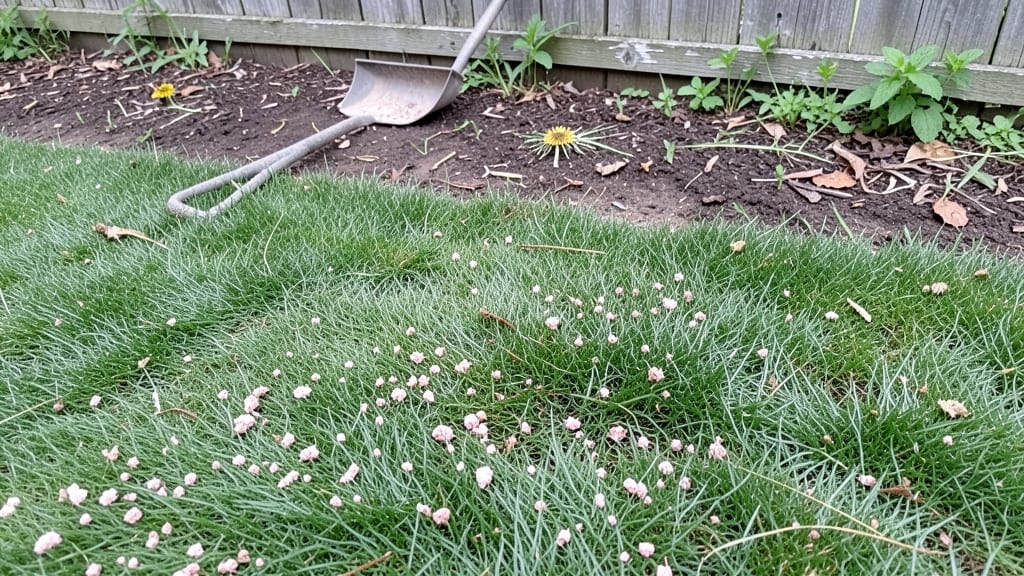
You can fertilize grass when soil temperatures reach 55°F (13°C) in spring or after the last frost, and again in early fall before dormancy. Avoid fertilizing during extreme heat or drought to prevent stress on the lawn.
Timing matters because grass roots only become active when soil warms to 55°F—below that, nutrients sit unused, wasting money and potentially burning tender shoots. 🌱 I’ve seen firsthand how skipping this rule leads to patchy growth or even winter burn when fertilizing too early.
For fall applications, aim for 6-8 weeks before the first frost to let roots strengthen before cold sets in.
Your local climate plays a huge role: Northern states should fertilize in late spring (May-June) and early fall (September-October), while Southern regions can extend fall feeding into November.
Always check soil temps with a 4-6 inch probe—surface temps can be misleading. Cool-season grasses like fescue thrive with this schedule, while warm-season Bermuda grass needs a different approach.
💡 In This Article
- Soil Temperature Rules for Safe Grass Fertilization
- Best Fertilizer Application Schedule by Climate Zone
Soil temperature rules for safe grass fertilization
The 55°F (13°C) soil temperature threshold isn't arbitrary—it's the point where grass roots wake from dormancy and begin actively absorbing nutrients. Below this temperature, microbial activity in the soil slows dramatically, meaning fertilizers like nitrogen and phosphorus sit unused.
Think of it like trying to drink through a straw with thick honey: the nutrients are there, but the system isn't ready to use them. This is why early spring applications often lead to nutrient runoff, wasting fertilizer and potentially polluting waterways.
To measure soil temperature accurately, use a 4-6 inch soil thermometer—surface temps can be 10-15°F warmer than deeper layers where roots actually grow. For example, a sunny afternoon might show 70°F at the surface, but 50°F just below, which would still be too cool for fertilization.
The deeper you go, the more stable the temperature, and that's where the action happens for root development. Pro tip: Take readings in the morning when temps are most stable, avoiding the afternoon heat spike.
Timing matters because grass types have different temperature sensitivities. Cool-season grasses like Kentucky bluegrass and fescue need that 55°F trigger to start growing, while warm-season grasses like zoysia or St. Augustine won't respond until soil hits 65°F (18°C).
The key is matching fertilization to when roots are actively growing—not just when the grass blades look green. Over-fertilizing before this threshold can actually harm the plant by overwhelming its limited nutrient uptake capacity, leading to brown patches or even death in extreme cases.
Seasonal risks amplify when you ignore these rules. Winter burn occurs when fertilizers like potassium chloride are applied in late fall or winter, causing salt buildup that damages roots when cold snaps hit.
Similarly, summer applications during drought stress can scorch grass because the fertilizer draws moisture from the plant while the soil is already dry. The solution? Always check your local frost dates and pair them with soil temperature data—most extension services provide free soil thermometer readings during critical seasons.
What most people don't realize is how quickly conditions change. A 55°F soil in early spring might reach 75°F (24°C) just weeks later, creating the perfect window for a second application.
This is why many lawn care experts recommend a 4-6 week gap between spring and fall feedings—enough time for the grass to metabolize nutrients without overloading the system. The goal is to feed the lawn when it's hungry, not when you're convenient.
For visual learners, imagine the soil as a sponge: when cold, it absorbs water but rejects nutrients; when warm, it soaks up both. That's why professional lawn care schedules are built around these temperature cues.
By aligning your fertilization with root activity, you're not just feeding the grass—you're optimizing its entire growth cycle for healthier, more resilient turf. 🌱