
Fertilization
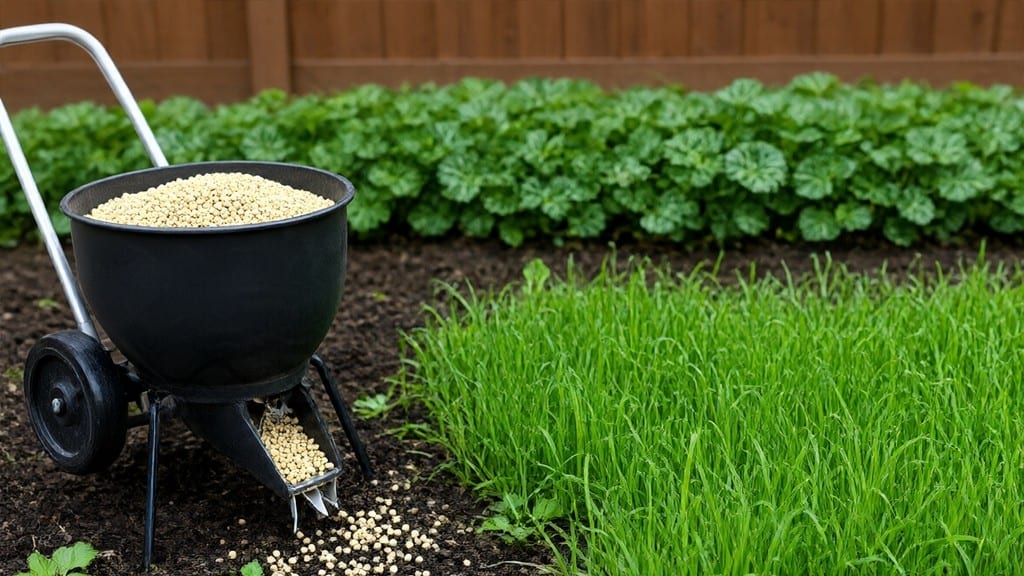
You can fertilize new grass when soil temperatures hit 55–60°F and the grass reaches 3–4 inches tall (usually 4–6 weeks after planting). Stick to a starter fertilizer with half the usual nitrogen to protect delicate roots.
Timing matters because young grass needs warmth to develop strong roots—below 55°F, nutrients can actually harm tender shoots. 🌱 Cool-season grasses like fescue may tolerate slightly cooler soil, while warm-season types like Bermuda need perfect timing.
I always check soil temp with a simple thermometer before applying fertilizer, since rushing can lead to weak growth or even seedling death.
For best results, pair fertilization with proper watering—keep the soil moist for 10–14 days after applying. This helps the nutrients reach the roots without washing away.
Once your lawn hits 3–4 inches, you're ready to switch to a regular maintenance fertilizer, but only after confirming the grass has fully established.
💡 In This Article
- Soil Temperature and Grass Growth Stages for Fertilizing
- Choosing the Right Fertilizer for New Grass Seed
Soil temperature and grass growth stages for fertilizing
Here's what's actually happening below ground: Grass roots need soil temperatures above 55°F to activate microbial activity that breaks down fertilizer nutrients. Below this threshold, beneficial soil bacteria become sluggish, leaving excess salts and nitrogen that can burn tender seedlings.
The 55–60°F range represents the sweet spot where roots grow at 0.5–1 inch per week, creating the perfect absorption window for nutrients.
The key factor is root depth—most new grass varieties develop roots reaching 2–3 inches by the time they hit 3–4 inches of top growth. This depth allows roots to access moisture and nutrients consistently.
Cool-season grasses like Kentucky bluegrass can establish roots slightly faster in 50–55°F soil, while warm-season types such as zoysia need the full 60°F threshold. The difference comes from their native climates: cool-season grasses evolved in temperate zones where spring soil warms gradually.
What most people don't realize is how quickly things can go wrong if you fertilize too early. When soil is cold (50°F or below), excess nitrogen converts to nitrate salts that sit in the soil solution.
These salts create an osmotic imbalance that draws moisture out of the plant cells—essentially dehydrating the roots from the inside. You'll see symptoms like yellowing leaves or stunted growth within 3–5 days of application. This is why starter fertilizers use half-strength nitrogen even when conditions seem right.
Consider these growth stage benchmarks for timing:
- 2–3 weeks: Germination phase (roots 0.5 inch deep) – No fertilization
- 4–6 weeks: 3–4 inch top growth (roots 2–3 inch deep) – Starter fertilizer safe
- 8–12 weeks: Full establishment (roots 4–6 inch deep) – Switch to maintenance fertilizer
The science behind this involves soil chemistry and plant physiology working together. Warm soil increases enzymatic activity in grass roots by 30–50%, allowing them to process nitrogen more efficiently.
This is why you'll often see fertilizer instructions mentioning "when you can mow" as a secondary indicator—by that point, the roots have typically reached the 2–3 inch depth needed for proper nutrient uptake.
The texture of established grass also changes from soft and spongy to firm and resilient, signaling root strength.
For climate variations, northern regions may need to wait until late May or early June, while southern areas can fertilize as early as March. Always test your soil first—some regions have naturally high phosphorus levels, making phosphorus-heavy starter fertilizers unnecessary.
The goal is to match the fertilizer to what your grass actually needs at each growth stage. 🌱