
Lawn
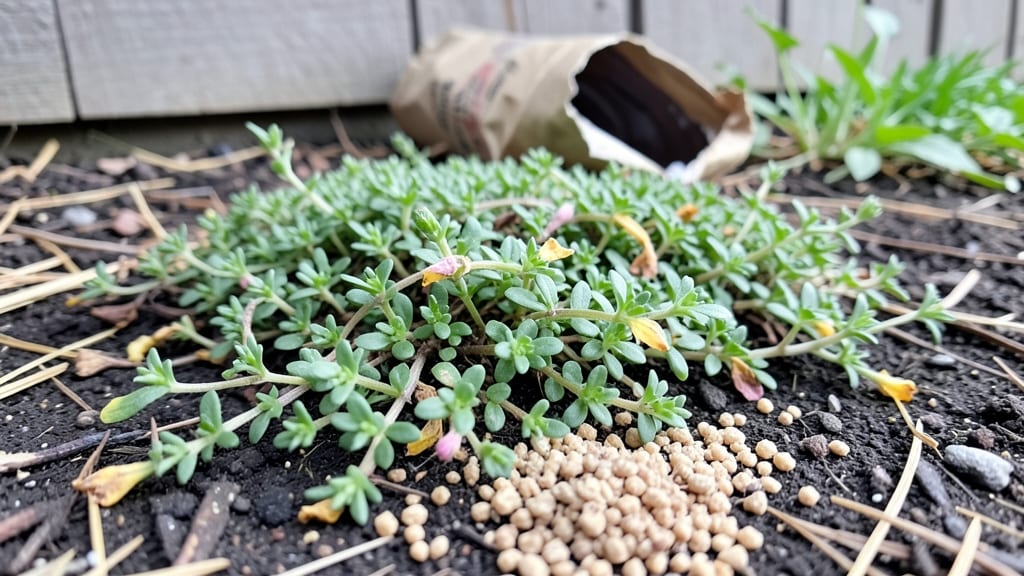
Wondering what to put on lawn for dog urine to stop those ugly yellow patches? The ammonia in it burns grass roots, leaving behind stubborn brown spots—but natural fixes can save your yard. smart watering can bring your lawn back to life.
First, dilute the urine immediately by watering the area right after your dog goes. This washes away some of the ammonia before it can damage the grass.
For tough spots, I mix a solution of 1 part white vinegar to 4 parts water—it’s acidic enough to neutralize the pH without harming the lawn. Overwatering is the real enemy, though, so focus on deep, infrequent watering to keep roots healthy.
Long-term, I’ve found that clover or tall fescue grass holds up better to dog urine than Kentucky bluegrass. These varieties recover faster, and their deep roots help the lawn bounce back.
If patches persist, overseeding with a shade-tolerant mix in early fall can fill in bare spots before winter sets in.
Prevention is key—train your dog to use a specific area of the yard, and consider a gravel or mulch patch as a backup. With the right approach, your lawn can stay green even with a curious pup tearing around. Let’s fix those spots for good!
Why it happens
Dog urine might seem like just a natural part of pet ownership, but it’s actually a chemical cocktail that can wreak havoc on your lawn—especially if your furry friend has a habit of marking territory or relieving themselves in the same spots repeatedly.
Understanding why this happens is the first step to preventing those unsightly yellow patches and restoring your grass to its former glory. Let’s break down the science behind the damage.
🧪 High Ammonia & Nitrogen Concentration
Dog urine is highly concentrated in ammonia and nitrogen, thanks to the breakdown of proteins in your pup’s diet. When urine hits the grass, the ammonia acts like a fertilizer on steroids—too much of a good thing can burn plant cells. Here’s how it works:
- Initial shock: The high ammonia content (pH ~8-9) creates a caustic environment that disrupts the grass’s cell membranes, leading to oxidative stress. Think of it like a chemical sunburn for your lawn.
- Nitrogen overload: While nitrogen is essential for growth, excessive amounts (especially in one spot) can overwhelm the grass’s ability to absorb it efficiently. The roots struggle to process the influx, leading to chlorosis (yellowing) as the plant prioritizes survival over growth.
- Soil imbalance: Repeated urination can raise soil pH, making nutrients like iron and manganese less available. This further weakens the grass, making it vulnerable to disease and pests.
Pro tip: 💡 Male dogs tend to produce urine with 2-3x more ammonia than females because their urine is more concentrated. If your lawn is a battleground, neutered males or spayed females may cause less long-term damage.
🌱 Grass Type Sensitivity
Not all grass is created equal—and some varieties are far more sensitive to urine than others. The type of grass in your yard plays a huge role in how badly it reacts:
| Grass Type | Urine Sensitivity | Why It Struggles |
|---|---|---|
| Bermuda Grass | ⭐⭐⭐⭐ (High) | Thin cell walls and high water content make it prone to ammonia burn. It recovers faster than some types but still shows damage initially. |
| Fescue Grass | ⭐⭐ (Moderate) | More tolerant of stress but can develop brown patches if urine is frequent. Its deep roots help it bounce back over time. |
| Kentucky Bluegrass | ⭐⭐⭐⭐⭐ (Very High) | Loves nitrogen but hates high concentrations. The ammonia disrupts its photosynthesis process, leading to rapid yellowing. |
| Zoysia Grass | ⭐⭐⭐ (Moderate-High) | Hardier than many but can go dormant in affected areas if urine is consistent. It often recovers in warmer months. |
Actionable fix: If you know your grass type, dilute the urine’s impact by training your dog to urinate in a designated area (like a gravel patch or mulched bed) and watering the lawn immediately after potty breaks.
💧 Soil Compaction & Poor Drainage
Even if your grass is urine-resistant, compacted or waterlogged soil can amplify the damage. Here’s how:
- Limited oxygen: Compacted soil restricts root growth, making grass weaker and more susceptible to ammonia burns. Roots can’t absorb water or nutrients efficiently, so they struggle to recover after urine exposure.
- Poor drainage: If water pools in urine-affected areas, the ammonia lingers longer instead of being washed away. This creates a prolonged toxic environment for the grass.
- Fungal growth: Wet, compacted soil is a breeding ground for lawn fungi, which thrive in stressed grass. Urine weakens the plant, making it an easy target for diseases like brown patch or dollar spot.
Quick solution: 🌡️ Aerate your lawn in the fall to relieve compaction, and consider adding organic matter (compost or sand) to improve drainage. This helps grass recover faster from urine damage.
🐕 Dog Diet & Urine Composition
What your dog eats directly impacts the chemical makeup of their urine. A high-protein or mineral-heavy diet can turn your lawn into a science experiment—and not the fun kind.
- Protein overload: Diets rich in meat (especially raw or high-fat foods) increase urine ammonia levels. The body processes excess protein by excreting more nitrogen, which ends up in their pee.
- Mineral imbalances: Too much calcium, phosphorus, or magnesium in kibble can make urine more alkaline and corrosive. Some commercial dog foods are formulated to maximize nutrient density, which can backfire for your lawn.
- Hydration levels: Dehydrated dogs produce more concentrated urine, which is twice as damaging as diluted pee. Always ensure fresh water access!
Diet tweak: ✨ Switch to a high-quality, balanced kibble with moderate protein (18-25%) and add hydration boosters like wet food or water-rich treats. This can reduce urine ammonia by up to 30%.
🌦️ Weather & Timing Factors
The when and how your dog urinates on the lawn can turn a minor issue into a major problem. Here’s how weather plays a role:
- Hot, dry conditions: Urine evaporates quickly, leaving behind a highly concentrated ammonia residue that burns grass faster. There’s no dilution to soften the blow.
- Cold or rainy days: While rain can dilute urine, it also washes away essential nutrients from the soil, weakening grass in affected areas. The lawn becomes more vulnerable to future urine damage.
- Morning vs. evening: Morning urine (especially after a night of digestion) tends to be more acidic and potent because your dog hasn’t hydrated in hours. Evening pee is usually more diluted.
Smart scheduling: 🎯 If your dog has a consistent potty schedule, water the lawn immediately after they urinate during dry spells. For rainy days, redirect them to a covered area (like a patio) to prevent soil erosion.
How to solve it
Dog urine can turn your lush lawn into a patchwork of yellowed, struggling grass—but the good news is, you don’t need harsh chemicals to fix it.
Whether your dog is a frequent offender or you’ve just noticed the damage, these targeted solutions will help restore your lawn’s health while keeping your pup safe.
Below, we break down the best fixes based on the root cause of the problem, from acidic burns to nutrient depletion. Plus, we’ll share easy prevention tips to keep your lawn green and your dog happy.
###
🔥 Fix Acidic Burns (Immediate Damage)
When dog urine hits the grass, the high nitrogen content creates a concentrated acid that burns the blades, leaving behind yellow or brown spots. Act fast to neutralize the pH and revive the grass.
- 💧 Rinse with water: Use a garden hose to dilute the urine immediately after your dog goes. This washes away excess nitrogen before it can damage the roots. Pro tip: A gentle spray for 10–15 seconds per spot works best.
- 🌱 Apply a vinegar or baking soda mix: Combine 1 part white vinegar or baking soda with 3 parts water in a spray bottle. Lightly mist the affected area (avoid oversaturating). This neutralizes acidity and helps restore balance. ⚠️ Warning: Test a small patch first—too much baking soda can alter soil pH long-term.
- 🌿 Overseed thin patches: If the grass is already dead, sprinkle new grass seed over the bare spot and cover lightly with soil. Keep the area moist for 7–10 days until germination.
###
🌱 Revive Nutrient-Depleted Soil (Long-Term Fix)
Frequent urination leaches essential nutrients like phosphorus and potassium from the soil, leaving grass weak and prone to disease. Replenish these nutrients to encourage regrowth.
- 🌿 Use a balanced fertilizer: Choose a slow-release, organic fertilizer (like a 10-10-10 or 5-5-5 blend) and apply it to the entire lawn, not just the yellowed spots. This ensures even nutrient distribution. 💡 Pro tip: Early morning or evening application prevents fertilizer burn.
- 🍃 Add compost or manure: Spread a thin layer of well-aged compost or cow manure over the damaged areas. This boosts organic matter, improves soil structure, and provides a slow-release nutrient boost. Rake it in lightly.
- 💧 Deep water the lawn: After fertilizing, water deeply to help nutrients penetrate the soil. Aim for 1–1.5 inches of water per week, including rainfall.
###
🛡️ Prevent Future Damage (Keep It Green)
The best way to handle dog urine is to stop it before it starts. These habits will minimize damage and keep your lawn thriving.
- 🐕 Train your dog to go in one spot: Designate a gravel or mulch area away from your lawn where your dog can relieve themselves. Use positive reinforcement to encourage them to use it consistently.
- 💦 Dilute urine on the spot: Keep a small water bottle or spray bottle nearby to rinse urine immediately. This is especially helpful for puppies or dogs that mark frequently.
- 🌿 Mow high and often: Keep your grass 3–4 inches tall—taller grass is more resilient to urine damage because it absorbs nitrogen more evenly. Mow regularly to prevent thinning.
- 🌱 Choose urine-resistant grass: If your lawn is prone to damage, consider tall fescue or Kentucky bluegrass, which tolerate nitrogen better than delicate varieties like Bermuda.
- 🚫 Avoid over-fertilizing: Too much nitrogen makes urine damage worse. Stick to a balanced, slow-release fertilizer and follow package instructions.
###
✨ Bonus: Natural Neutralizers to Try
If you prefer all-natural solutions, these household items can help neutralize urine without harming your lawn or pet.
| Solution | How to Use | Best For |
|---|---|---|
| White vinegar | Mix 1 part vinegar with 3 parts water. Spray lightly on yellowed spots. | Immediate acid neutralization |
| Baking soda | Sprinkle a thin layer over the area and water lightly. | Mild pH adjustment (use sparingly) |
| Lime (pelletized) | Apply 1–2 pounds per 100 sq. ft. and water in. Reapply every 3–6 months. | Long-term soil pH balance |
| Corn gluten meal | Spread 20 lbs. per 1,000 sq. ft. in early spring. It feeds the soil and deters weeds. | Nutrient boost + weed prevention |
✨ Pro tip: Always test a small, hidden area first—especially with lime or baking soda—to ensure your soil can handle the adjustment.
Frequently asked questions about lawn care for dog urine
Why does dog urine turn grass yellow?
The ammonia in dog urine creates a chemical burn, disrupting grass cells and causing yellow patches. Male dogs produce urine with 2-3x more ammonia than females, making their impact worse. The nitrogen overload also overwhelms the grass's ability to absorb nutrients properly.
Can I use vinegar to neutralize dog urine on my lawn?
Yes! Mix 1 part white vinegar with 3 parts water and lightly spray affected areas. The acidity helps neutralize the urine's pH, but avoid oversaturating the grass. Test a small patch first to ensure it doesn't harm your specific grass type.
What's the fastest way to fix brown spots from urine?
Rinse the area immediately with water to dilute the ammonia, then overseed with tall fescue or clover—these grasses recover better. Apply a thin layer of compost and keep the soil moist for 7-10 days to encourage regrowth.
Will lime help repair urine-damaged lawns?
Pelletized lime can restore soil pH over time, but use it sparingly (1-2 lbs per 100 sq. ft). Apply in early spring and water it in. Too much lime can make soil alkaline, harming grass. Always test a small area first.
How can I prevent future urine damage?
Train your dog to use a gravel or mulch patch away from the lawn, and keep a spray bottle nearby to dilute urine immediately. Mow grass 3-4 inches tall—taller grass absorbs nitrogen better. Avoid over-fertilizing, as excess nitrogen worsens damage.