
Watering
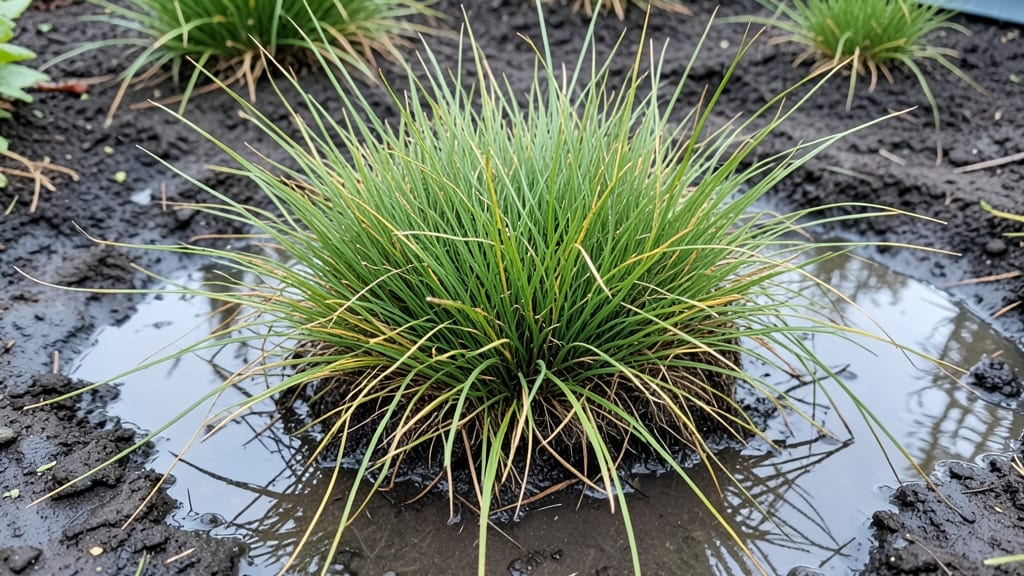
That sad, mushy brown patch of fescue overwatered grass isn’t just thirsty—it’s drowning, and I’ve seen it happen in just three days. ✨ The fix isn’t what most people think.
The first mistake? Watering again as soon as the surface looks dry. That’s when fungal spores throw a party in your lawn.
Here’s the thing—fescue grass needs deep, infrequent watering, not daily sips. When roots suffocate from too much moisture, they can’t absorb oxygen, leading to that classic grayish-brown discoloration. Worse, fungal infections like brown patch or dollar spot move in like uninvited guests.
The good news? You can turn this around in a week or two with the right adjustments.
Start by cutting back watering to once every 5-7 days (unless it’s scorching hot) and let the top 2-3 inches of soil dry out completely between sessions. If your lawn feels spongy underfoot, that’s your cue to aerate—just rent a core aerator or poke holes with a shovel.
For fungal spots, a baking soda spray (1 tablespoon per gallon of water) works wonders as a natural treatment.
Once you’ve got the watering schedule nailed down, your fescue will bounce back with that deep green, resilient look it’s meant to have. The key is patience—roots need time to recover, but they will if you give them the right conditions.
Think of it as a reset button for your lawn.
Root Causes Of Soggy Fescue
Fescue grass may look lush when overwatered, but that extra moisture can quickly turn into a problem—leading to yellowing, fungal diseases, or even root rot. Understanding the why behind overwatering helps you take precise action. Let’s break down the most common culprits and the science behind them.
###
💧 Poor Drainage Systems Fail
Fescue thrives in well-draining soil, but if water can’t escape quickly, it pools around roots, suffocating them. Here’s why this happens:
- Compacted soil: Heavy foot traffic, construction, or natural clay content compresses soil, reducing pore space for water to drain. Fescue roots need oxygen—when soil stays soggy, roots suffocate and turn brown.
- Low-slope or flat terrain: Water naturally flows downward. If your lawn sits in a depression or has minimal grade, excess water lingers instead of draining away.
- Clogged drainage layers: If your yard has French drains, underground pipes, or gravel layers, debris (like roots, sediment, or mulch) can block water flow over time.
💡 Pro Tip: Test drainage with a simple percolation test—dig a 12-inch hole, fill it with water, and time how long it takes to drain. If it takes <1 hour, your soil may be too dense.
###
🌧️ Overzealous Watering Schedules
Fescue grass only needs 1–1.5 inches of water per week (including rainfall). Yet, many homeowners overestimate its needs, especially during:
- Early mornings or late evenings: Watering when temperatures are cooler increases evaporation loss, but frequent light waterings (like daily sprinklers) keep the topsoil damp continuously, encouraging shallow roots and fungal growth.
- Automatic timers set too long: A common mistake is running sprinklers for 15–20 minutes daily instead of deep watering 2–3 times per week. Shallow watering trains grass to rely on surface moisture, weakening deep roots.
- Ignoring weather forecasts: Watering during rain or high humidity traps excess moisture in the soil, creating the perfect conditions for disease (like brown patch or dollar spot).
⏰ Actionable Fix: Switch to cycle-and-soak watering—run sprinklers for 10 minutes, wait 30 minutes, then repeat. This mimics natural rainfall and reduces runoff.
###
🌱 Mulch Or Organic Matter Buildup
Mulch and decomposing plant matter are great for soil health—but too much can smother fescue grass. Here’s how:
- Thick mulch layers: More than 2–3 inches of mulch (especially wood chips) can block oxygen and trap moisture against the soil surface, leading to anaerobic conditions (no oxygen = root death).
- Decomposing grass clippings: If you leave clippings too long, they form a thatch layer that insulates the soil, preventing water evaporation and promoting fungal growth.
- Improper mulch placement: Piling mulch directly against grass stems (instead of creating a 2-inch gap) can create a moisture barrier, encouraging rot.
🌡️ Quick Test: If your mulch feels damp and smells sour, it’s holding too much water. Rake it back to expose soil to air.
###
🏗️ Lawn Design Flaws Trap Water
Even the most well-maintained fescue can drown if the landscape itself promotes water pooling. Common design mistakes include:
- No grade or improper slope: Lawns should slope 1–2% (1–2 inches per 10 feet) away from foundations and low spots. Without this, water collects near walkways or house edges.
- Improper sprinkler placement: Sprinkler heads angled toward driveways, sidewalks, or compacted areas cause water to run off instead of soaking into the lawn.
- Lack of swales or berms: Natural or constructed swales (shallow trenches) can redirect water away from problem areas. Without them, rainwater pools in the same spots repeatedly.
🎯 Solution: Use a laser level to check slope. If your lawn is flat, create micro-slopes with soil or install underground French drains.
Now that you know the why, the next step is fixing it—without wasting water or damaging your fescue’s roots. Stay tuned for actionable recovery steps!
Quick Fixes to Revive Your Lawn
Overwatered fescue grass can feel like a soggy mess, but with the right steps, you can nurse it back to health—fast. The key is acting quickly to prevent root rot, fungal growth, and long-term damage.
Below, we’ve mapped out practical fixes based on the most common causes of overwatering, along with prevention tips to keep your lawn lush without the waterlogged woes.
🔥 Fix Yellowing or Mushy Grass (Too Much Water)
If your fescue looks drowned—yellowing, spongy, or smelling musty—it’s likely suffering from excess water. Here’s how to drain the damage and restore balance:
✅ Step 1: Stop Watering Immediately
- Turn off sprinklers or irrigation systems right away. Fescue grass doesn’t need daily watering—once or twice a week (1–1.5 inches total) is plenty, depending on climate.
- Check soil moisture by digging a small hole (3–4 inches deep). If it’s saturated, hold off on watering for 3–5 days to let excess moisture evaporate.
✅ Step 2: Improve Drainage Fast
- Aerate compacted soil with a core aerator (rent one if needed). This creates air pockets so water drains faster.
- Rake up thatch (the layer of dead grass between soil and blades) to prevent water from pooling.
- Add organic matter: Mix in compost or peat moss to help soil absorb water better.
✅ Step 3: Encourage Evaporation
- Mow higher (3–4 inches) to shade the soil and reduce moisture loss.
- Use a fan on a sunny day to speed up drying in severe cases (yes, really!).
💡 Prevention Tip:
Install a rain gauge or smart sprinkler timer to track water input. Fescue thrives on consistency, not excess—aim for deep, infrequent watering.
🍄 Fix Fungal Issues (Mold or Mildew)
If you spot white, gray, or pink fungal growth (like thread-like mold or powdery mildew), overwatering is likely the culprit. Fungi love damp, shaded conditions—here’s how to banish it:
✅ Step 1: Reduce Humidity
- Water in the early morning (before 10 AM) to give grass time to dry.
- Avoid evening watering—wet grass overnight = fungal party.
- Space out waterings: If rain is forecast, skip irrigation for 24–48 hours.
✅ Step 2: Apply Fungicide (If Needed)
- For stubborn cases, use a fungicide for lawns (like propiconazole or myclobutanil). Follow label instructions carefully.
- Natural remedy: Sprinkle baking soda (1 tbsp per gallon of water) or neem oil as a preventative spray.
✅ Step 3: Boost Airflow
- Trim nearby bushes or trees shading the lawn.
- Rake up debris (leaves, clippings) that trap moisture.
🌡️ Prevention Tip:
Fescue needs 6–8 hours of sunlight daily. If your lawn is perpetually shady, consider drought-tolerant grass mixes or adjust watering schedules to dry periods.
🌱 Fix Weak or Stunted Growth (Root Stress)
If your fescue is weak, patchy, or slow to recover, overwatering may have drowned the roots. Here’s how to revive them:
✅ Step 1: Test Soil pH & Nutrients
- Use a soil test kit to check pH (ideal: 6.0–7.0 for fescue).
- Amend soil with:
- Iron sulfate (for yellowing from pH issues).
- Slow-release fertilizer (like 16-4-8) to feed stressed roots.
✅ Step 2: Adjust Watering Habits
- Water deeply but less often: Aim for 1 inch per week (including rain).
- Use a moisture meter to avoid guesswork—water only when the top 2 inches of soil are dry.
✅ Step 3: Overseed Bare Spots
- If you see thin patches, overseed with fescue seed in early fall (ideal germination time).
- Lightly rake and keep soil moist (not soggy) until new growth appears.
🎯 Prevention Tip:
Mulch around your lawn’s edge with wood chips or straw to reduce evaporation and prevent water runoff from pooling.
⚠️ Emergency Fix: Severe Root Rot
If your grass feels spongy when walked on or smells rotten, root rot may have set in. Act fast:
✅ Step 1: Dig Out Affected Areas
- Remove sod in severely damaged spots (use a shovel or sod cutter).
- Discard infected grass—don’t compost it!
✅ Step 2: Disinfect & Replant
- Sprinkle copper fungicide or hydrogen peroxide (3%) on the soil to kill pathogens.
- Wait 3–5 days, then replant with new fescue seed or sod.
✨ Prevention Tip:
If your lawn is prone to poor drainage, consider installing French drains or grading soil to slope away from the house.
With these fixes, your fescue should bounce back in 2–4 weeks. The secret? Less water, more airflow, and quick action. Once you’ve corrected the habits, your lawn will stay green, strong, and resilient—no soggy surprises included!
Frequently asked questions about overwatered fescue grass
How can I tell if my fescue grass is overwatered instead of underwatered?
Overwatered fescue often appears yellowish-gray with a mushy, spongy feel when walked on. You may also notice fungal growth like white or pink mold, or a musty smell from the soil. Unlike drought stress, overwatered grass stays damp for days after rain, while underwatered grass feels dry and crispy.
Will my fescue grass recover if I stop watering immediately?
Yes, but recovery depends on how severe the damage is. If roots haven’t rotted, stopping water and improving drainage can revive your lawn in 2-4 weeks. For fungal issues, apply a baking soda spray (1 tbsp/gallon) or fungicide while letting soil dry completely. Patience is key—roots need time to adjust to proper moisture levels.
Can I use a fan to dry out my overwatered lawn?
On sunny days, position a fan to blow across the lawn to speed up evaporation. This works especially well for small patches. For larger areas, consider using a soil solarizer (clear plastic sheeting) to trap heat and dry soil faster. Just remove it during cooler evenings to avoid condensation.
Is it better to aerate or just rake my lawn to fix drainage?
For severe compaction, core aeration is best—it creates deep holes that improve water penetration. Raking helps with surface-level thatch but won’t fix deep drainage issues. If your soil feels hard like concrete, rent a core aerator or hire a service. For minor cases, a stiff rake can help break up the top layer.
How often should I water fescue after fixing overwatering?
Once recovered, water deeply 2-3 times per week (about 1 inch total, including rain). Use a moisture meter to check soil—water only when the top 2 inches feel dry. Early morning watering (before 10 AM) prevents fungal growth from overnight moisture.