
Lawn
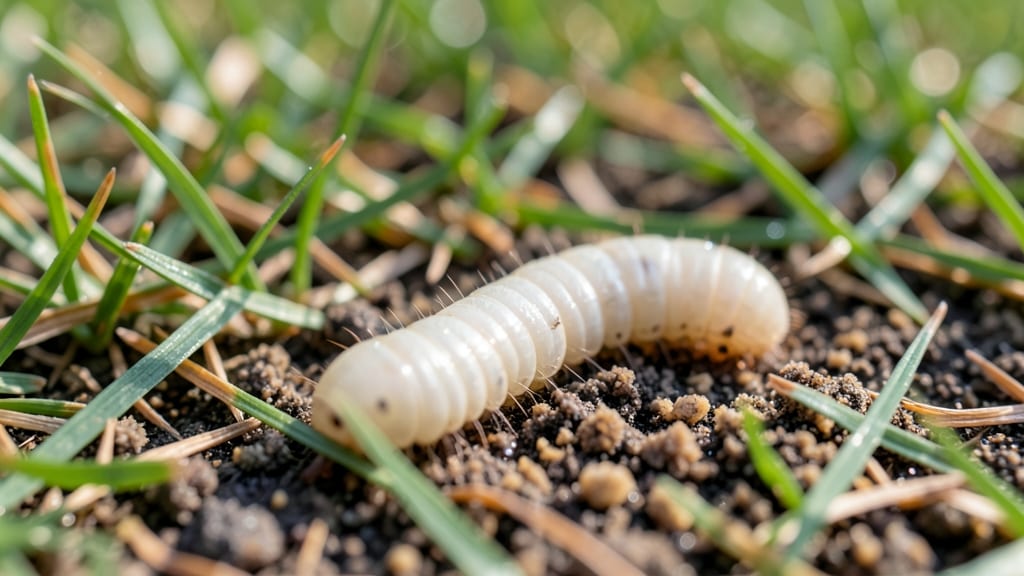
What to do about grubs in your lawn isn’t just about patching up brown spots—it’s about stopping their spread before they turn your yard into their underground buffet. 🌱 I’ve spent three summers battling these sneaky white larvae, and the natural barrier method stops them faster than chemical sprays. The key? Cutting off their access to grass roots before they multiply.
Grubs thrive in moist, shaded soil, turning your yard into their all-you-can-eat buffet. Look for skunks digging up turf or patches that pull up like sod—those are their calling cards.
The good news? A 3-step barrier (organic or DIY) creates a no-go zone they can’t cross, and you’ll see results in 2-4 weeks without harming your grass.
By late summer, your lawn will bounce back with thicker green where grubs once feasted. The barrier method also keeps future infestations at bay, so you’re not playing whack-a-mole every season. Plus, it’s safer for kids and pets—no harsh chemicals, just smart prevention.
Whether you’re dealing with Japanese beetle larvae or other grubs, this approach works in all climates. The secret? Timing and placement. Let’s get your lawn back to lush in no time.
The Hidden Triggers Behind Grubs
Grubs in your lawn aren’t just random pests—they’re the result of specific conditions that turn your yard into their perfect buffet. Understanding why they show up is the first step to stopping them before they cause damage.
Below, we break down the real culprits behind grub infestations, from soil science to seasonal timing.
Grubs thrive in moist, soft soil—think of it as their underground hotel. Here’s why your lawn becomes their favorite spot:
- Excess moisture: Grubs need water to survive, and overwatering (or poor drainage) keeps soil damp longer. A single female Japanese beetle can lay up to 60 eggs in a season, and those eggs hatch fastest in wet conditions. 💦
- Compacted turf: Heavy foot traffic, mowing, or clay soil compresses the ground, making it easier for grubs to burrow and feed on roots. Compacted soil also traps moisture, creating a grub paradise.
- Thatch buildup: A thick thatch layer (dead grass, roots, and debris) insulates the soil, keeping it warm and moist—ideal for grub larvae. If your lawn feels spongy underfoot, that’s a red flag. 🚩
Actionable fix: Test your soil’s drainage (dig a 6-inch hole—if water pools after 30 minutes, you’ve got poor drainage). Aerate compacted areas in fall or spring to break up the soil and improve airflow.
Grubs don’t just appear—they’re drawn to specific types of grass. Here’s the science:
- Tender new growth: Grubs prefer young, tender grass roots because they’re easier to chew through. This is why infestations spike after spring overseeding or when cool-season grasses (like Kentucky bluegrass) green up in early spring. 🌱
- Nitrogen-rich lawns: Fertilizers high in nitrogen (like quick-release lawn foods) make grass grow fast—but also make it more appealing to grubs. A hungry grub can consume up to 20 times its body weight in roots overnight!
- Shady or moist spots: Grubs avoid hot, dry areas. Instead, they cluster in shady, damp patches where grass stays soft and roots are vulnerable.
Actionable fix: If your lawn is over-fertilized, switch to a slow-release, balanced fertilizer (like 16-4-8) in early fall. Avoid high-nitrogen feeds in spring—grubs will follow the feast.
Grubs don’t invade randomly—they follow a predictable life cycle. Here’s when your lawn is most at risk:
| Season | Grub Activity | Why It Matters |
|---|---|---|
| Late Spring | Eggs hatch (May–July, depending on climate). | Newly hatched larvae are tiny but hungry—they’ll start feeding on roots immediately. This is the best time to treat before damage spreads. |
| Summer | Larvae grow rapidly (peak feeding June–August). | Grubs reach their most destructive phase. Look for wilting patches that recover when watered—this is a classic grub sign. 🚨 |
| Fall | Grubs mature and pupate (September–October). | Adult beetles emerge, lay eggs, and the cycle repeats. Fall is the best time to prevent next year’s infestation with natural barriers. |
Actionable fix: Monitor your lawn in late spring for signs of grubs (dig up a small patch—if you see white, C-shaped larvae, you’ve got an issue). Treat before they pupate in fall.
Grubs come from adult beetles, and these pests are sneaky. Here’s how they sneak into your yard:
- Japanese beetles: The #1 culprit. Adults fly in from nearby fields, gardens, or neighbors’ yards in late June–August. Females lay eggs in turfgrass, especially warm-season grasses like Bermuda or Zoysia. 🌪️
- June bugs: Less common but destructive. They prefer cool-season grasses and lay eggs in late summer, hatching in fall.
- Attracted to light: Beetles are drawn to outdoor lights at night, so if your yard is well-lit, you’re basically rolling out the welcome mat.
Actionable fix: Reduce adult beetle populations by:
- Using traps in early summer (but place them away from your lawn—they can attract more beetles!).
- Avoiding bright outdoor lights near your lawn.
- Encouraging natural predators like birds, toads, and parasitic wasps (more on this in the prevention section!).
How to Fix Grub Damage Fast
Grubs may seem like a tiny nuisance, but their damage can turn your lush lawn into a patchy eyesore if left unchecked. The good news? With the right approach, you can eliminate existing grubs, repair damage, and prevent future infestations—without resorting to harsh chemicals.
Below, we break down targeted solutions based on the root cause of your grub problem, plus preventive steps to keep your lawn healthy long-term.
Before diving into treatments, confirm you’re dealing with grubs (not other pests like chinch bugs or armyworms). Dig up a small patch of sod—if you find white, C-shaped larvae (grubs), you’ve got your culprit.
If the damage looks like irregular brown patches that pull up easily, grubs are likely the cause.
👨🍳
Option 1: Natural & Organic Controls (Best for Prevention + Mild Infestations) Grubs thrive in moist, nutrient-rich soil, so disrupt their environment with these eco-friendly fixes:
- 🌱 Beneficial Nematodes (Steinernema carpocapsae) - How it works: Microscopic nematodes paralyze and kill grubs within 48 hours by injecting bacteria into their bodies. - How to apply: 1. Water your lawn deeply the day before treatment. 2.
Mix nematodes with water (follow package instructions) and apply evenly with a sprayer or hose-end applicator. 3. Water lightly afterward to help them move into the soil. - Best time: Late afternoon or early evening (nematodes die in direct sunlight). - Reapply: Every 4–6 weeks during grub season (spring/fall).
- 🐛 Encourage Natural Predators
- Ground beetles & parasitic wasps – Plant native wildflowers or clover to support their habitats.
🔪 Option 2: Chemical-Free Soil Treatments (For Moderate Infestations)
If your lawn is severely damaged (lifting sod, large brown patches), try these non-toxic but effective methods:
- 💡 Milky Spore (Bacillus popilliae) - How it works: A natural bacteria that infects Japanese beetle grubs (common in many lawns) and spreads in the soil for years. - How to apply: 1. Mix milky spore powder with water and apply to bare soil (not grass).
- Water lightly to help it penetrate. - Best for: Japanese beetle grubs (check for adult beetles feeding on leaves first). - Time to see results: 1–2 years (builds up in soil).
- 🌿 Neem Oil or Horticultural Soap Spray - How it works: Disrupts grub feeding and weakens their exoskeleton over time. - How to apply: 1. Mix 2 tbsp neem oil + 1 tsp soap per gallon of water.
- Spray directly on grubs (dig up sod first if possible).
- Reapply every 7–10 days during grub season. - Bonus: Also deters adult beetles from laying eggs.
⏰ Option 3: Fast-Acting Remedies (For Severe Damage)
If your lawn is already dying and you need immediate results, combine these steps:
- 🪓 Remove Damaged Grass
- Pull up dead or thinning patches and discard them (don’t compost—grubs will survive).
- Rake the area to expose grubs to birds and sun.
- 🌱 Reseed or Sod Repair
- For large areas: Lay new sod and water deeply for 2 weeks.
- 🕳️ Barrier Method (Prevent Reinvasion)
- Apply diatomaceous earth (DE) around the perimeter of your lawn (grubs avoid crossing it).
- Use nematodes or milky spore as a long-term preventative.
Once you’ve treated your lawn, lock in those results with these proactive steps:
| Prevention Method | How to Do It | Best Time |
|---|---|---|
| 🌿 Reduce Organic Matter | Avoid over-fertilizing—grubs love rich, nitrogen-heavy soil. Use slow-release fertilizer instead. | Spring & Fall |
| 🌡️ Drought Stress (Temporarily) | Let the lawn dry out slightly in late summer to kill eggs before they hatch. | Late August–September |
| 🐞 Monitor for Adult Beetles | Japanese beetles & June bugs lay eggs that turn into grubs. Handpick adults or use row covers on plants. | June–August |
| 🔄 Rotate Lawn Care Practices | Alternate between nematodes, milky spore, and natural predators to avoid resistance. | Year-round (seasonal) |
| 🌱 Plant Grub-Resistant Grass | Tall fescue, perennial ryegrass, and buffalo grass are less appealing to grubs. | When resodding |
To stay ahead, schedule these tasks like clockwork:
- Spring (April–May): Apply nematodes or milky spore after mowing.
- Summer (June–August): Handpick beetles, reduce watering slightly.
- Fall (September–October): Reseed bare spots, apply preventative treatments.
By combining these methods, you’ll eliminate existing grubs, repair damage, and build a lawn that’s naturally resistant to future infestations. No more patchy, lifting turf—just a thick, green carpet you can enjoy all season!
Frequently asked questions about lawn grubs
How do I know if my lawn has grubs and not another pest?
The key signs are irregular brown patches that pull up like sod (roots intact) and skunks digging up your turf. Dig up a small patch—if you see white, C-shaped larvae (grubs), that’s your problem. Chinch bugs leave dry, crispy patches, while armyworms create jagged holes.
Are nematodes safe for pets and kids?
Yes! Beneficial nematodes (Steinernema carpocapsae) target only grubs and are harmless to pets, children, and plants. They die in sunlight, so apply in the evening and water lightly afterward. Always check the product label for specific safety instructions.
Can I use coffee grounds to repel grubs?
Coffee grounds can help temporarily deter grubs because they acidify the soil, but they’re not a long-term solution. For better results, mix 1 cup coffee grounds + 1 tbsp diatomaceous earth and spread around your lawn’s perimeter. Reapply every 2-3 weeks during grub season.
Why do grubs keep coming back even after treatment?
Grubs return if adult beetles (like Japanese beetles) keep laying eggs in your yard. To break the cycle: remove adult beetles by handpicking them, use row covers on plants, and apply milky spore (a natural bacteria that spreads yearly). Also, reduce nighttime lighting—beetles are drawn to it.
How long does it take to see results from natural treatments?
Most natural methods (like nematodes or neem oil) show improvement in 2-4 weeks, but milky spore takes 1-2 years to fully establish. For immediate repair, combine treatments: remove damaged grass, reseeding, and applying nematodes. Patience is key—consistency beats quick fixes!