
Plants
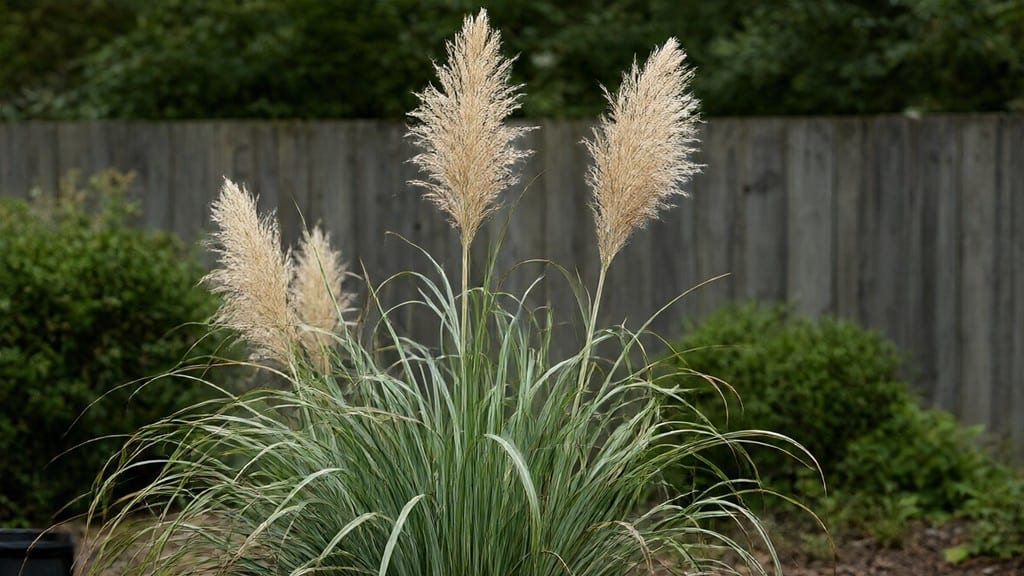
Elephant grass is a towering, drought-resistant perennial that grows rapidly in warm climates, reaching heights of 10-12 feet annually. Native to Africa and Asia, it's valued for its hardiness, quick regrowth, and diverse uses as livestock feed, erosion control, and even a biofuel source.
This hardy plant isn't just tall—it's a powerhouse of efficiency. 🌱 Its rapid growth comes from a clever photosynthetic trick called C4 photosynthesis, which lets it thrive even in hot, dry conditions where other plants struggle.
That same deep root system that helps it survive also makes it a superhero for preventing soil erosion on slopes or riverbanks. I've seen it transform barren patches into lush green barriers in just a few months.
Beyond its practical benefits, elephant grass has become a favorite in sustainable agriculture and landscaping. Farmers use it as high-quality forage, while gardeners plant it as a natural privacy screen or windbreak.
The secret to its success? It's low-maintenance yet incredibly productive—once established, it needs minimal watering and can handle poor soil better than many other plants.
💡 In This Article
- Elephant Grass Varieties and Growth Characteristics
- Practical Uses of Elephant Grass in Landscaping and Agriculture
Elephant grass varieties and growth characteristics
The two most common elephant grass species—Pennisetum purpureum (Napier grass) and Miscanthus giganteus—differ dramatically in growth habits and adaptations. Pennisetum purpureum grows aggressively in tropical climates, shooting up 10-12 feet annually with thick, bamboo-like stems.
Its rapid growth stems from C4 photosynthesis, a metabolic pathway that concentrates CO₂ in specialized cells, allowing it to thrive in high temperatures (75-95°F) with minimal water loss. This makes it 30-50% more efficient than C3 plants like corn or wheat under drought conditions.
In contrast, Miscanthus giganteus (giant miscanthus) favors temperate zones and grows more slowly (8-10 feet per year) but develops a denser root system that extends 6-10 feet deep.
Its deep roots anchor it firmly, preventing soil erosion on slopes by stabilizing up to 300 pounds of topsoil per acre annually. The roots also create air pockets that improve drainage—critical for preventing landslides in hilly regions.
Both species share drought tolerance but Pennisetum purpureum handles humidity better, while Miscanthus tolerates cooler nights (50-60°F).
The rapid growth mechanism involves a 24-hour growth cycle during peak season, where new stems emerge continuously from the base. This is powered by the plant’s ability to fix carbon efficiently even at high noon temperatures (100°F+), when most plants wilt.
The stems contain 15-20% fiber, making them ideal for biomass energy or livestock bedding. However, their aggressive spread requires careful management—Pennisetum purpureum can double its biomass in 60 days under ideal conditions, while Miscanthus takes 90-120 days but stores energy more efficiently for winter regrowth.
Soil preferences vary: Pennisetum purpureum thrives in sandy loam with pH 5.5-7.0, while Miscanthus adapts to clay-heavy soils and even slightly acidic conditions (pH 4.5-6.5). The deep roots of both species break up compacted soil, improving water infiltration by 20-30%—a game-changer for degraded farmland.
For erosion control, Miscanthus’s dense clumping habit makes it superior for windbreaks, while Pennisetum’s tall stems excel as living barriers against water runoff.
What most people overlook is how these grasses outcompete weeds—their rapid canopy closure blocks sunlight, reducing weed growth by 80% in the first 6 months. This natural suppression eliminates the need for herbicides, making them ideal for organic farms.
The trade-off? Pennisetum purpureum spreads via rhizomes, requiring root barriers in gardens, while Miscanthus’s clumping habit makes it safer for ornamental planting. Both species reward patience: established plants need only 25% of summer rainfall to maintain growth.