
Mower
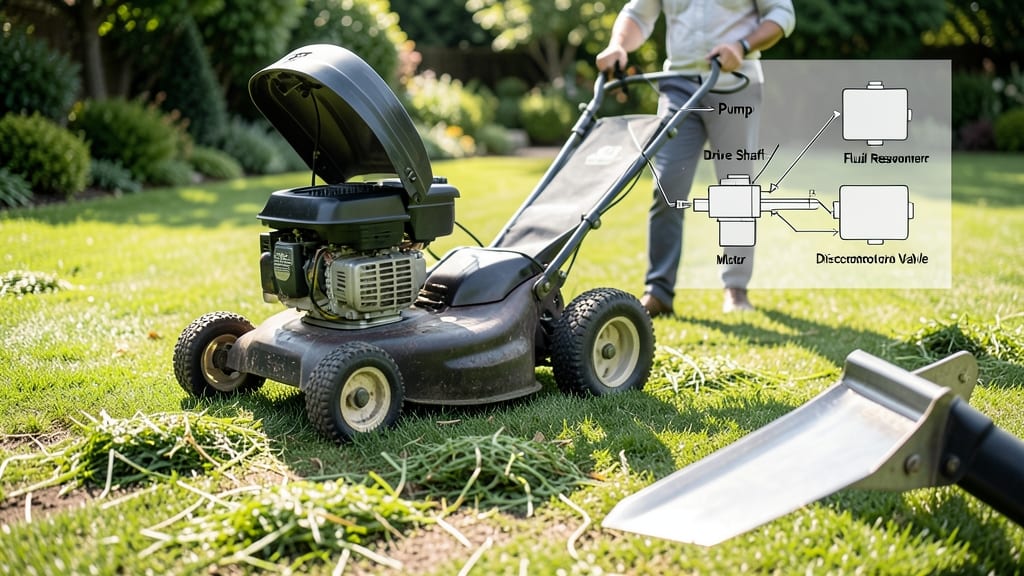
A hydrostatic lawn mower is a type of riding mower that uses fluid-based transmission to provide smooth, variable speed control without traditional gear shifts. This design delivers consistent power and precision cutting, especially on uneven terrain.
A hydrostatic lawn mower works by using hydraulic fluid to transfer power between the engine and wheels. 🔥 Unlike belt-driven or CVT systems, this fluid-based system allows for instant speed adjustments—just like a car's automatic transmission—without clutches or belts to wear out.
The self-adjusting nature means you can easily maneuver around obstacles or change speeds on the fly, making it ideal for complex yards with slopes or tight spaces.
What sets hydrostatic transmissions apart is their ability to maintain power across all speeds. While CVT mowers rely on pulleys and belts that can slip under heavy loads, hydrostatic systems deliver full torque at any setting.
This makes them particularly well-suited for tackling thick grass or hilly landscapes where consistent performance matters most.
💡 In This Article
- How Hydrostatic Transmission Works in Lawn Mowers
- Hydrostatic vs CVT Lawn Mowers: Key Performance Differences
How hydrostatic transmission works in lawn mowers
At its core, a hydrostatic transmission uses hydraulic fluid to transfer power between the engine and wheels, creating a seamless speed adjustment system. Think of it like a car's automatic transmission but without gears—pressure changes in the fluid control wheel speed instead of mechanical shifts.
The engine drives a pump that pressurizes the fluid, which then flows to a hydraulic motor connected to the wheels. When you press the throttle, the system redirects fluid flow, instantly changing speed without any mechanical lag.
The magic happens through the fluid's ability to adjust pressure dynamically. When you need more power, like climbing a steep hill, the system increases fluid pressure to deliver higher torque to the wheels.
This self-adjusting feature eliminates the need for clutches or belts, which wear out over time in traditional systems. The fluid also acts as a natural shock absorber, smoothing out bumps and uneven terrain—something you'll notice immediately when maneuvering over rough grass or rocky areas. 🔥
This design reduces component wear significantly. Traditional belt-driven systems rely on friction between pulleys and belts, which degrades over time and requires frequent adjustments. Hydrostatic transmissions, however, have fewer moving parts and no belts to stretch or slip.
The fluid itself is contained within sealed circuits, protecting it from debris and extending the mower's lifespan. This is why hydrostatic mowers often require less maintenance than their CVT counterparts.
Consider how this works in practice: when you're mowing near a fence or tree, you can instantly slow down or stop without engaging a clutch—just like a car's automatic transmission.
The system maintains consistent power delivery even when changing speeds rapidly, which is particularly useful for precision cutting around garden beds or flower borders. This fluid-based approach also allows for smoother acceleration and deceleration, reducing the jerky movements common in belt-driven mowers.
One key advantage is the ability to maintain full torque at all speeds. Unlike CVT systems that rely on variable pulley diameters (which can slip under heavy loads), hydrostatic transmissions deliver consistent power regardless of speed setting.
This means better performance on thick grass or when tackling hills, where maintaining cutting height and power is critical. The system's efficiency also translates to better fuel economy in some cases, as the engine can operate at optimal RPM without constant adjustments.
For those who've used traditional mowers, the difference becomes immediately apparent. The lack of gear shifts means no more fumbling with levers or dealing with sudden power drops when changing speeds. Instead, you get a responsive, intuitive control system that adapts to your mowing needs in real time.
This is especially valuable for larger yards or complex landscapes where quick adjustments are essential for maintaining a clean, even cut.