
Lawn
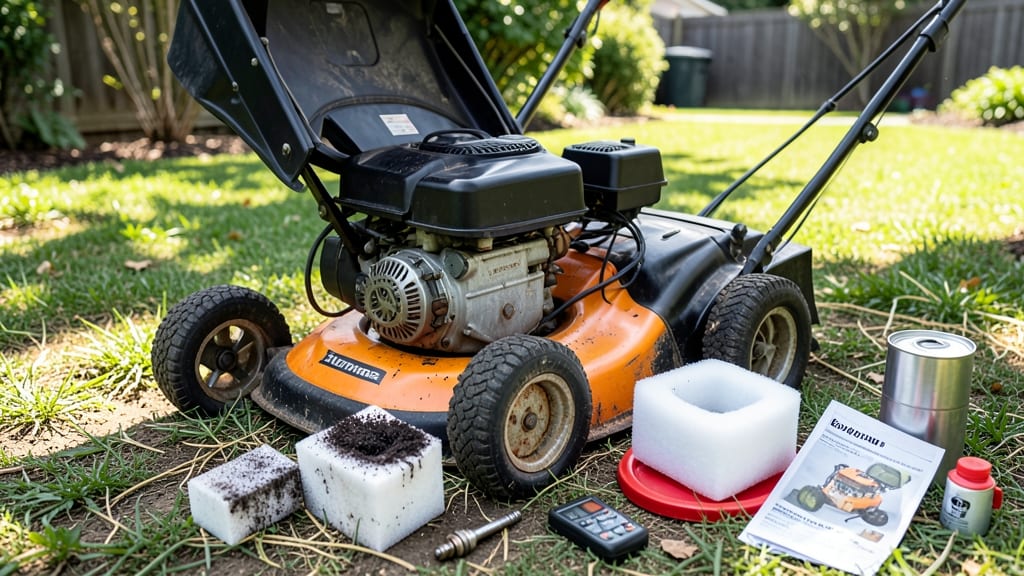
If your lawn mower loses power when cutting, inspect the air filter for blockages, check blade sharpness, and verify fuel freshness in the tank. Engine strain from dull blades or stale gas often triggers sudden power drops during operation.
This happens because cutting grass creates extra resistance—like trying to push a car uphill. 🔥 A clogged air filter starves the engine of oxygen, while dull blades force the motor to work harder, both causing power loss mid-mow.
Even fresh fuel can degrade after 30 days, leaving behind gummy deposits that clog carburetors. I always recommend checking these three areas first before assuming bigger mechanical issues.
For a quick test, try mowing a small patch of grass—if the mower struggles immediately, the problem likely lies with blade resistance or fuel quality. If it runs fine at first but dies mid-cut, the air filter or spark plug is probably the culprit.
Always wear gloves and safety glasses when inspecting blades or filters, as sharp edges and debris can cause injuries.
💡 In This Article
- Mechanical Reasons Your Lawn Mower Struggles Under Load
- Quick Troubleshooting Steps Before Servicing
Mechanical reasons your lawn mower struggles under load
When your lawn mower loses power while cutting, the core issue almost always boils down to engine strain caused by increased resistance. Cutting grass creates significant drag—imagine pushing a lawnmower through thick weeds versus a freshly mowed lawn.
This resistance forces the engine to work harder, and if the engine is already struggling (due to clogged filters, dull blades, or poor fuel), it simply can't keep up.
The physics here involve torque vs. load: a healthy engine generates enough torque to handle the cutting resistance, but a weakened one chokes under pressure.
A clogged air filter is one of the most common culprits because it restricts airflow to the engine. A clean filter allows optimal oxygen intake, but when it's dirty, the engine suffocates—like trying to breathe through a wet towel.
This causes the engine to labor, leading to power loss mid-mow. 🔥 Dull blades create another critical issue: they force the engine to spin faster to compensate, increasing fuel consumption and heat buildup.
A sharp blade should cut grass cleanly, but a dull one chews through it, doubling the engine's workload. For example, a blade with 1/16-inch wear can reduce cutting efficiency by up to 30%, making the mower feel sluggish almost immediately.
Fuel quality plays a surprising role too. Gasoline degrades after just 30 days in the tank, forming varnish and gum that clog carburetors or fuel lines. This forces the engine to work harder to draw fuel, reducing power output.
Even if you filled the tank recently, stale fuel can turn into a thick, syrupy substance that starves the engine. 💫 The solution?
Always use fresh fuel mixed with the correct oil ratio (typically 50:1 for most small engines) and add a fuel stabilizer if storing the mower for more than a week.
Another hidden factor is the spark plug condition. A worn or fouled spark plug fails to ignite fuel efficiently, causing misfires and power loss under load.
The plug should have a light tan color—black soot indicates a rich fuel mixture, while oily deposits suggest oil leakage into the combustion chamber. Replacing a worn spark plug can restore power almost instantly, as it ensures proper fuel combustion even when the engine is straining.
Finally, consider the engine's cooling system. Overheating can cause the engine to lose power as it struggles to maintain optimal operating temperatures. A dirty air filter or clogged cooling fins can trap heat, forcing the engine into a protective "limp mode."
Always check the underside of the mower deck for debris blocking airflow to the engine—even small obstructions can raise temperatures by 20-30°F during operation.
To diagnose which issue is causing your power loss, start with a visual inspection: hold the mower upright and check the air filter for dirt buildup, then examine the blade for sharpness. If the filter is clogged or the blade is dull, these are likely your culprits.
For a deeper test, try mowing a small patch of grass—if the mower struggles from the start, the problem is mechanical (blades, filter, or fuel). If it runs fine at first but loses power mid-cut, the issue is likely fuel-related or spark plug-related.