
Lawn
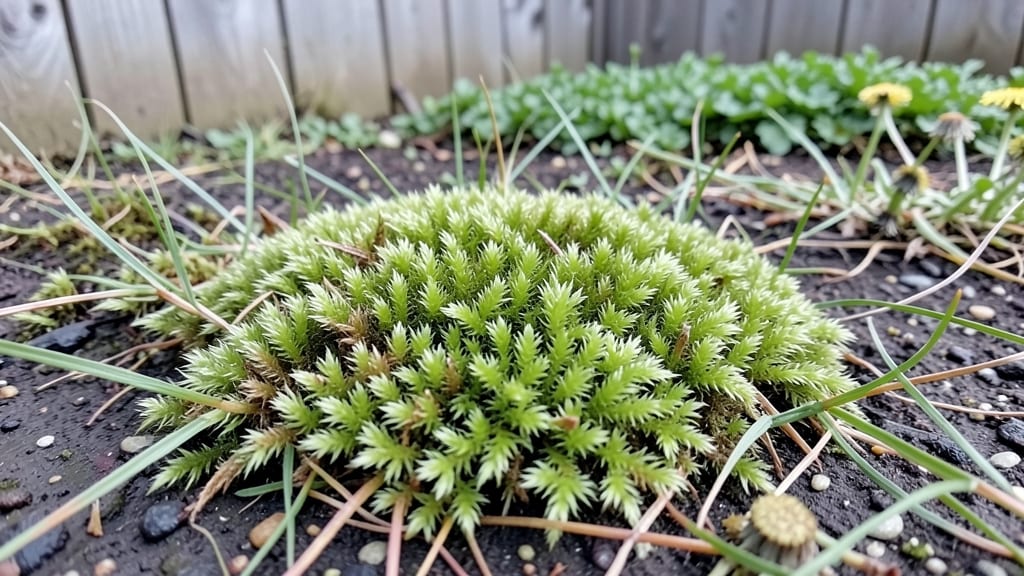
What causes moss in grass isn’t just an eyesore—it’s your lawn’s way of saying something’s off. 🌿 I’ve spent years watching moss take over shady patches, and the culprits are almost always the same: too much shade, compacted soil, or acidic conditions. that grass just can’t handle.
The good news? You don’t need chemicals to fix it—just a few targeted tweaks to give your grass the upper hand.
The real culprits are often hidden. Moss thrives where grass struggles—think dense tree shade, poor drainage, or soil that’s too wet or too acidic. Even a thin layer of thatch can trap moisture, creating the perfect moss buffet.
The worst part? Once it gets a foothold, it spreads fast, choking out grass roots and leaving bare spots that look like your lawn’s giving up entirely.
Here’s the game-changer: aerate to break up compacted soil, overseed with shade-tolerant grass varieties, and test your soil pH—aim for 6.0 to 7.0. A quick raking in spring can remove existing moss, but the real fix comes from giving your grass what it needs to outcompete it.
Within a few months, you’ll see thicker, greener turf reclaiming those shady corners.
This works for any lawn, from sun-drenched backyards to dappled-light gardens. The key is patience—moss doesn’t disappear overnight, but with the right approach, your grass will push it out for good. Let’s get those spots looking spotless again.
Why it happens
Moss isn’t just a pesky green intruder—it’s a symptom of deeper issues in your lawn’s environment. Understanding why it thrives (and your grass struggles) is the first step to reclaiming a lush, moss-free yard. Let’s break down the science behind its sneaky takeover.
🌧️ Too Much Moisture and Poor Drainage
Moss loves water—way more than grass. While grass needs occasional hydration, moss thrives in consistently damp conditions, especially when soil stays soggy for days. Here’s why:
- Compacted soil acts like a sponge, trapping water and blocking oxygen. Grass roots suffocate, while moss spreads unchecked.
- Shady, low-lying areas (like valleys or under trees) dry slower, creating moss-friendly microclimates.
- Overwatering or poor drainage (e.g., clay-heavy soil) keeps the lawn perpetually wet—moss’s dream scenario.
Pro tip: 💡 Test your soil’s drainage by digging a 6-inch hole, filling it with water, and timing how long it takes to drain. If it’s slower than 4 hours, you’ve got a moss magnet.
🌿 Shade and Weak Grass Competition
Grass is a sunlight-hungry diva, but moss? It’s the low-light champion of the plant world. When grass struggles to photosynthesize in the shade, moss swoops in to fill the gap. Key factors:
- Trees, fences, or buildings block sunlight, weakening grass and giving moss an edge.
- Thin or low-quality grass (like fine fescue or Kentucky bluegrass in deep shade) can’t outcompete moss.
- Moss spores hitchhike on wind, water, and animals, landing where grass is already stressed.
Fun fact: Some moss species (like Hylocomium splendens) can grow in near-total darkness—your lawn’s shady spots are their VIP section.
🧪 Acidic Soil and Low pH
Most lawn grasses prefer neutral to slightly alkaline soil (pH 6.0–7.5), but moss? It’s a pH opportunist, thriving in acidic conditions (pH < 5.5). Here’s how it happens:
| Cause | Effect on Grass | Effect on Moss |
|---|---|---|
| Decaying organic matter (leaves, pine needles) | Releases acids, lowering pH | 👍 Ideal growing conditions |
| Overuse of ammonium-based fertilizers | Acidifies soil over time | 👍 Boosts growth |
| Poor soil structure (clay or peat) | Holds onto acids, starving grass of nutrients | 👍 Dominates nutrient-poor zones |
Action step: 🌡️ Test your soil’s pH with a kit (available at garden centers). If it’s below 6.0, lime can help—but only after addressing drainage and shade issues.
🌱 Lack of Sunlight and Nutrient Starvation
Grass needs nitrogen, phosphorus, and potassium to grow thick and strong. When these nutrients are scarce (often due to leaching or poor soil), moss moves in like a squatter. Why?
- Moss absorbs nutrients directly from the air and rain, bypassing the need for healthy soil.
- Thin grass can’t form a dense root system, leaving bare patches where moss takes over.
- Over-fertilizing with quick-release nitrogen can burn grass roots, weakening it further.
Pro tip: ✨ If your soil is nutrient-depleted, a slow-release organic fertilizer (like compost or bone meal) can help grass outcompete moss—but only if drainage and sunlight improve first.
🍂 Organic Debris Buildup
Leaves, pine needles, and thatch (a layer of dead grass) may seem harmless, but they’re moss’s secret weapon. Here’s how:
- Thatch layers (over ½ inch thick) block water and air from reaching grass roots, creating a damp, shaded layer perfect for moss.
- Decaying organic matter acidifies the soil and provides moss with a moist, nutrient-rich growing medium.
- Compacted soil under debris traps moisture, turning your lawn into a moss spa.
Quick fix: 🔪 Rake up thick layers of leaves and thatch in fall/winter. For stubborn thatch, dethatch with a rake or vertical mower—but only if soil is dry to avoid compacting it further.
How to solve it
Moss isn’t just an unsightly lawn nuisance—it’s a sign your grass is struggling. The good news? With the right approach, you can eliminate moss and restore a lush, healthy lawn.
Below, we’ve matched the most common causes of moss with targeted solutions—plus prevention tips to keep it from returning. Let’s reclaim your turf, one step at a time!
###
🌱 Shady Areas: Boost Light & Improve Airflow
If moss thrives in your lawn’s shady spots, it’s because grass can’t compete there. The fix? Outsmart the shade and give your grass a fighting chance.
- 🔥 Trim Overhanging Branches: Use pruning shears or a chainsaw to thin out tree branches, allowing more sunlight to reach the ground. Aim for at least 4–6 hours of direct sunlight daily for grass to thrive.
- 🍳 Plant Sun-Loving Grass Varieties: Replace mossy patches with shade-tolerant grasses like fine fescue, creeping red fescue, or Kentucky bluegrass. These varieties handle low light better than others.
- 🌡️ Improve Air Circulation: Moss loves stagnant, damp air. Use a lawn rake or dethatcher to loosen the soil and break up thatch, helping water evaporate faster.
💡 Pro Tip: If trimming branches isn’t an option, consider removing moss and overseeding with a shade-tolerant grass mix in early fall or spring.
###
💦 Excess Moisture: Dry It Out & Improve Drainage
Moss loves soggy soil, so if your lawn stays damp for long periods, it’s a prime moss party spot. Here’s how to dry it out for good.
- ⏰ Water Less Frequently: Deep water 2–3 times per week instead of daily shallow watering. Let the top inch of soil dry out between sessions to discourage moss.
- 🔪 Improve Soil Drainage:
- Test your soil’s drainage with a percolation test: Dig a 12-inch hole, fill it with water, and time how long it takes to drain. If it’s slower than 4 hours, amend with sand or compost.
- For clay-heavy soil, mix in organic matter (peat moss or compost) to loosen it up.
- 🌡️ Install a French Drain or Swales: If your yard has low spots, redirect water with a French drain or shallow trenches filled with gravel to channel water away.
💡 Pro Tip: After heavy rain, rake the lawn gently to break up waterlogged moss and speed up evaporation.
###
🌡️ Poor Soil pH: Balance It for Grass, Not Moss
Moss thrives in acidic soil (pH < 6.0), while most grasses prefer a neutral to slightly alkaline pH (6.0–7.0). Fixing the pH starves moss out while helping grass grow.
- 📊 Test Your Soil: Use a DIY soil test kit (available at garden centers) or send a sample to a local extension office for precise results.
- ✨ Raise pH with Lime:
- For acidic soil (pH < 6.0), apply pelletized lime in early fall or spring. Follow package rates (typically 20–50 lbs per 1,000 sq ft).
- Spread evenly with a spreader and water lightly to activate.
- 🌱 Avoid Over-Acidifying: Never use sulfur or pine needles to lower pH further—this encourages moss. Stick to lime for balance.
💡 Pro Tip: Re-test soil pH 6 months after liming to ensure it’s in the ideal range for grass.
###
🌿 Compaction & Thatch: Loosen the Soil
Compacted or thick thatch layers smother grass roots and create the perfect moss-friendly environment. Break it up to revive your lawn.
- 🔪 Core Aeration (Best Method):
- Rent or hire a core aerator to pull out 2-inch soil plugs, reducing compaction and improving oxygen flow.
- Do this in early fall or spring when grass is actively growing.
- 🌡️ Dethatch if Needed: If thatch is ½ inch or thicker, use a vertical mower or dethatching rake to remove the layer. Avoid doing this in summer—it stresses grass.
- 💪 Top-Dress with Compost: After aerating, spread a ¼-inch layer of compost over the lawn to improve soil structure and fertility.
💡 Pro Tip: Walk on your lawn less frequently to prevent future compaction—opt for stepping stones or paths in high-traffic areas.
###
🧹 Manual Removal: Quick Fixes for Immediate Results
If moss has already taken over, physically removing it is the fastest way to see progress. Here’s how to do it without harming your grass.
- 🍳 Pull by Hand (Small Patches):
- Wet the mossy area with water or a vinegar solution (1 part vinegar to 1 part water) to loosen it.
- Grasp the moss and pull upward firmly. It should come out in sheets.
- 🔪 Rake It Out (Larger Areas):
- Use a stiff lawn rake or moss rake to scrape moss off the ground.
- Work in small sections to avoid damaging grass roots.
- 🌱 Overseed Bare Spots:
- After removal, rake the soil lightly to create seed-to-soil contact.
- Sprinkle grass seed and cover with a thin layer of straw to retain moisture.
- Water gently for 2–3 weeks until new grass sprouts.
✨ Bonus: For stubborn moss, boiling water (pour carefully!) can kill it instantly—just avoid grass blades.
Frequently asked questions about lawn moss
Why does moss grow in my lawn even after I water and fertilize regularly?
Moss thrives where grass struggles—especially in shady, damp spots where sunlight and oxygen are limited. Even with regular watering and fertilizer, grass needs 4-6 hours of sunlight daily and well-draining soil to outcompete moss. If your lawn stays wet for long periods or has thick thatch, moss will still dominate despite your efforts. Focus on improving drainage and aeration first.
Is moss harmful to my grass?
Not directly, but it’s a competitor that chokes out grass by stealing nutrients and space. Moss spreads rapidly in bare patches, preventing grass roots from establishing. Over time, this creates thin, weak turf that’s prone to weeds. The real danger is what moss indicates—poor soil conditions that weaken grass long-term. Remove moss to give grass a fighting chance.
Can I use vinegar to kill moss without damaging my grass?
Yes, but with caution! A 1:1 vinegar-water solution works well for spot treatment, but avoid overspraying grass. Vinegar’s acidity kills moss by disrupting its cell structure, but it can also burn grass if used too liberally. For larger areas, focus on raking out moss first and then overseeding—this gives grass the best chance to reclaim the space. Test a small patch first.
How long does it take to eliminate moss from a lawn? With consistent effort, you’ll see noticeable improvement in 4-6 weeks, but full eradication can take 3-6 months. The timeline depends on:
- How thick the moss layer is
- Whether you’re improving drainage/shade
- If you’re overseeding with grass Patience is key—moss doesn’t disappear overnight, but with proper soil pH adjustment and aeration, your grass will gradually outcompete it. Reapply treatments every 2-3 weeks until moss is gone.
Will lime alone fix my moss problem? Lime helps by raising soil pH (moss loves acidic conditions), but it’s only part of the solution. For best results, combine liming with:
- Core aeration to improve soil structure
- Overseeding with shade-tolerant grass varieties
- Adjusting watering habits to prevent soggy soil Test your soil first—if pH is already above 6.0, lime won’t help much. Focus on drainage and sunlight instead.