
Lawn
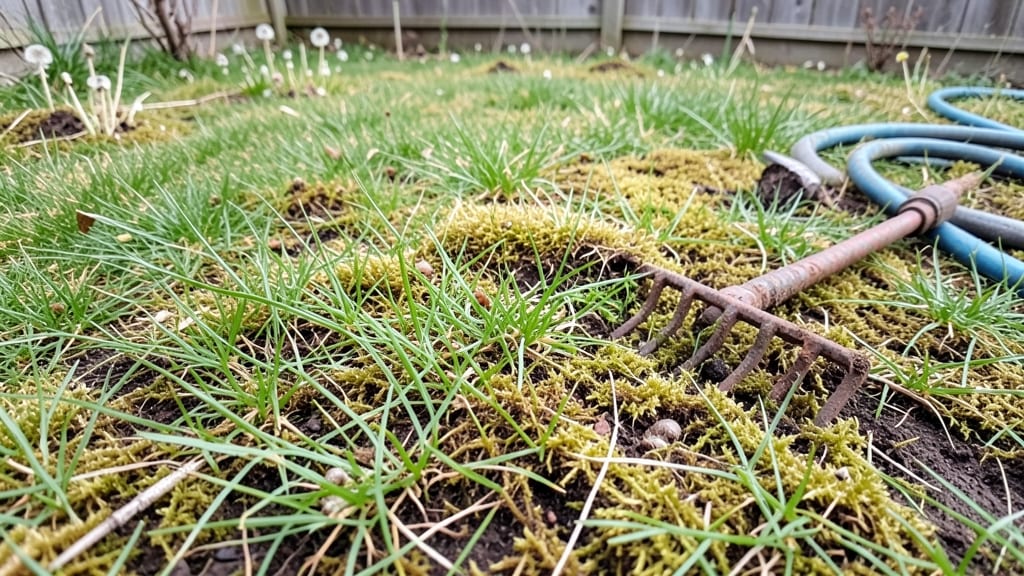
Eliminating moss from your lawn starts with understanding why it’s there in the first place—shade, poor drainage, or compacted soil create the perfect conditions for it to thrive. 🌱 I’ve battled moss in my own yard for years, and I finally cracked the code with a simple, three-step process that works without harsh chemicals.
The key? You don’t just kill the moss; you fix the environment so grass can take over for good.
The first step is the easiest: rake out the moss when it’s dry, then loosen the soil underneath with a garden fork. This alone can make a huge difference, especially in shady spots where grass struggles.
For tougher patches, a mix of vinegar and water (1:1 ratio) works like a charm—just spray it on, let it sit for a few hours, then hose it off. No chemical residue, no harm to your lawn.
Once the moss is gone, the real work begins: improving your soil and sunlight. Aerate compacted areas, overseed with shade-tolerant grass, and consider a simple topdressing of compost to boost nutrients.
Within a few weeks, you’ll see green grass filling in where moss once ruled. The best part? This method keeps your lawn healthy long after the moss is history.
If you’re dealing with a large, established moss problem, iron sulfate is a faster (but pricier) option—just follow the label carefully. Either way, prevention is the goal: regular mowing, proper watering, and occasional aeration will keep moss from creeping back. Trust me, your lawn will thank you.
Why it happens
Moss might seem like a harmless green carpet, but it’s actually a sign of underlying lawn stress. Understanding why it thrives—and why your grass struggles—is the first step to reclaiming a lush, moss-free yard.
Here’s a breakdown of the real culprits behind moss invasion, backed by science and actionable insights.
🌧️ Too Much Shade and Poor Sunlight
Moss loves shade because it thrives in low-light conditions, unlike grass, which relies on sunlight for photosynthesis. When trees, buildings, or even dense shrubs block sunlight, grass weakens, creating the perfect opportunity for moss. Here’s why it happens:
- Photosynthesis slowdown: Grass needs 4–6 hours of direct sunlight daily to grow strong. In shady spots, grass struggles to produce enough energy, while moss—being a non-vascular plant—survives with minimal light.
- Moisture retention: Shady areas stay damp longer because sunlight evaporates water. Moss absorbs water through its leaves, giving it an edge over thirsty grass.
- Competition for nutrients: Weak grass roots can’t compete with moss for nitrogen and phosphorus, further weakening the lawn.
💡 Pro Tip: If your lawn has persistent shade, consider shade-tolerant grass varieties like fine fescue or creeping red fescue. Otherwise, moss will always win the battle.
💦 Excessive Moisture and Poor Drainage
Moss isn’t just a shade lover—it’s a water sponge. While grass roots need well-draining soil, moss thrives in soggy conditions. Here’s the science:
- Oxygen deprivation: Waterlogged soil cuts off oxygen to grass roots, causing them to suffocate and die. Moss, however, doesn’t need roots—it grows directly on the soil surface, where moisture is abundant.
- pH imbalance: Poor drainage often leads to acidic soil (pH below 6.0), which moss prefers over grass. Most lawn grasses thrive in neutral to slightly acidic soil (pH 6.0–7.0).
- Overwatering: Even without poor drainage, daily watering keeps the lawn damp for too long, creating a moss-friendly environment.
🔥 Warning: If your lawn feels spongy when walked on, you likely have compaction + poor drainage. Aerating and amending soil with sand or compost can help—but only if you fix the water issue first.
🌡️ Cool, Damp Climates and Seasonal Factors
Moss isn’t just a year-round pest—it’s a seasonal opportunist. If you live in a cool, humid climate (think Pacific Northwest, UK, or northern U.S.), moss gets a major advantage:
- Slow grass growth: In cooler months, grass grows slowly or goes dormant, while moss stays active, spreading rapidly.
- High humidity: Moss spores travel easily in moist air, landing and germinating on damp lawns.
- Frost and thaw cycles: Freezing temperatures can kill grass but leave moss unharmed, giving it open space to expand.
❄️ Seasonal Strategy: If moss flares up in fall or spring, it’s likely due to cool, wet conditions. Focus on improving drainage and overseeding with cold-hardy grass to outcompete it.
🧪 Compacted or Nutrient-Poor Soil
Healthy grass needs loose, fertile soil to grow deep roots. When soil is compacted or lacking nutrients, moss moves in like a squatter. Here’s how it happens:
- Root restriction: Compacted soil crushes grass roots, preventing them from accessing water and nutrients. Moss, with no roots, grows where grass can’t.
- Low nitrogen: Moss fixes its own nitrogen from the air, while grass relies on soil nitrogen. If your lawn is yellowing, it’s likely starving.
- Organic matter imbalance: Moss prefers high organic matter (like decaying leaves), while grass needs a balanced mix of sand, silt, and clay.
💪 Soil Fix: Test your soil’s pH and nutrient levels (a simple DIY kit works). If compacted, aerate in fall and top-dress with compost or sand.
🌱 Lack of Proper Lawn Maintenance
Moss doesn’t just appear—it takes advantage of neglect. Common lawn care oversights that invite moss include:
- Infrequent mowing: Tall grass shades the soil, keeping it moist and cool—perfect for moss.
- No overseeding: Thin grass patches leave gaps where moss spores land and grow.
- Skipping fertilizing: Grass needs regular nitrogen to outcompete moss. Without it, moss wins by default.
- Ignoring thatch buildup: A thick thatch layer (over ½ inch) blocks water and air from reaching grass roots, creating a moss-friendly mat.
🎯 Quick Fix: Start with a spring or fall fertilization schedule and mow at 3–4 inches to keep grass healthy and competitive.
Targeted Fixes for Moss Overgrowth
Moss may seem like a stubborn foe, but with the right approach, you can reclaim your lawn’s lush green glory. Below are practical, step-by-step solutions tailored to the root causes of moss—whether it’s poor sunlight, compacted soil, or excess moisture.
Each fix includes prevention tips to keep moss from creeping back.
🔥 Fix 1: Boost Sunlight & Airflow
Cause: Moss thrives in shady, damp spots where grass struggles. Solution: Improve light exposure and airflow to crowd out moss naturally.
- 🌳 Trim Overhanging Branches Use pruners or a pole saw to trim back trees/shrubs blocking sunlight. Aim for at least 4–6 hours of direct sun daily for your lawn.
- 🪓 Thin Dense Plantings Overgrown hedges or thick ground covers (like hostas) trap moisture. Space them out or replace them with sun-loving perennials (e.g., daylilies, black-eyed Susans).
- 💡 Prevention Tip: Plant moss-resistant grasses (like tall fescue or Kentucky bluegrass) in shady areas. These varieties tolerate low light better than moss.
🍳 Fix 2: Loosen Compacted Soil
Cause: Moss loves tight, waterlogged soil where grass roots can’t breathe. Solution: Aerate to improve drainage and root growth.
- ⏰ Best Time to Aerate: Early fall or spring, when soil is moist but not soggy. Rent a core aerator (or hire a pro) to pull small soil plugs (about 3 inches deep).
- 👨🍳 Top-Dress with Organic Matter After aerating, spread a ¼-inch layer of compost or sand over the lawn. This helps loosen soil and encourages grass roots to fill gaps.
- 🌡️ Prevention Tip: Avoid heavy foot traffic on wet lawns. If you host events, lay down temporary mats to protect high-traffic areas.
🔪 Fix 3: Adjust Watering & Drainage
Cause: Moss flourishes in soggy conditions where grass can’t compete. Solution: Improve drainage and water smarter.
- 💧 Water Less, But Deeper Moss prefers constant dampness. Switch to deep, infrequent watering (1–1.5 inches per week) to encourage grass roots to grow deeper.
- 🏗️ Fix Poor Drainage If water pools after rain:
- Install French drains or dry wells in low spots.
- Add sand or gravel to compacted areas before reseeding.
🎯 Fix 4: Apply Moss-Killing Treatments
Cause: Existing moss needs a direct attack to die off before grass can take over. Solution: Use natural or chemical treatments (choose based on your lawn’s needs).
| Method | How to Apply | Best For |
|---|---|---|
| 🌿 Salt (Rock or Epsom) | Sprinkle 1–2 lbs per 100 sq ft, water in. Use sparingly—can harm grass. | Small patches, non-organic lawns |
| 🧴 Iron Sulfate | Spray or spread granules (follow label). Turns moss black/brown in 24–48 hours. | Large areas, safe for grass |
| 🍄 Vinegar (DIY) | Mix 1 gallon white vinegar + 1 gallon water + 2 tbsp dish soap. Spray on moss, reapply in 2 weeks. | Driveways, sidewalks (not grass) |
| 🌱 Pre-Emergent Herbicide | Apply in early spring to prevent moss spores from germinating. | Long-term prevention |
- 💡 Pro Tip: Never use salt on grass—it kills both moss and turf. For lawns, iron sulfate is the safest chemical option.
🌱 Fix 5: Reseed & Fertilize
Cause: Moss fills in where grass is weak or absent. Solution: Thicken your lawn so grass outcompetes moss.
- 🔄 Overseed Bare Spots After treating moss, rake the area to loosen soil, then spread grass seed + starter fertilizer. Choose a shade-tolerant mix if needed.
- 💪 Feed the Grass, Starve the Moss Moss doesn’t need nitrogen—grass does. Apply a slow-release fertilizer (high in nitrogen) in early fall to boost growth.
- 🌿 Prevention Tip: Mow high (3–4 inches) to shade out moss and strengthen grass roots. A thicker lawn = fewer moss opportunities!
🔄 Long-Term Prevention Checklist
Keep moss from staging a comeback with these low-maintenance habits:
- [ ] Rake leaves and debris regularly—moss spores hitchhike on them!
- [ ] Test soil every 2–3 years and amend as needed (add lime for high acidity, compost for poor soil).
- [ ] Aerate every 1–2 years if your lawn gets heavy use.
- [ ] Choose the right grass for your climate/shade level.
Remember: Patience is key! It takes 3–6 months for grass to fully reclaim mossy areas. Stick with the plan, and your lawn will be spotless, spongy, and moss-free in no time. 🚀
Frequently asked questions
Why does moss keep coming back even after I treat it?
Moss returns because it’s a symptom of deeper issues like shade, poor drainage, or compacted soil. Simply killing the moss without fixing these problems means it’ll regrow. Focus on improving sunlight, aerating, and overseeding with healthy grass to starve out moss for good.
Is vinegar safe to use on my lawn for moss removal?
Vinegar is not safe for grass—it’ll kill both moss and your lawn. Use it only on driveways, sidewalks, or non-grass areas. For lawns, opt for iron sulfate (safe for grass) or a vinegar-water mix (1:1 ratio) applied carefully to moss patches only.
How long does it take to see results after treating moss?
Results vary: vinegar or salt may show changes in 24–48 hours, while iron sulfate turns moss black in 1–3 days. However, grass regrowth takes 3–6 months. Patience is key—focus on preventive care (aeration, overseeding) to lock in success.
Can I use iron sulfate if I have pets or kids?
Iron sulfate is pet-safe once dry, but keep animals off treated areas for 24–48 hours to avoid ingestion. For extra caution, apply it in early morning so it dries before playtime. Always follow label instructions for safety.
What’s the best time of year to tackle moss?
Fall (September–October) is ideal—cool temps and moist soil help grass recover. Spring (March–April) also works, but avoid treating in summer heat (stresses grass) or winter frost (slows growth). Aerate and overseed in these seasons for best results.