
Lawn
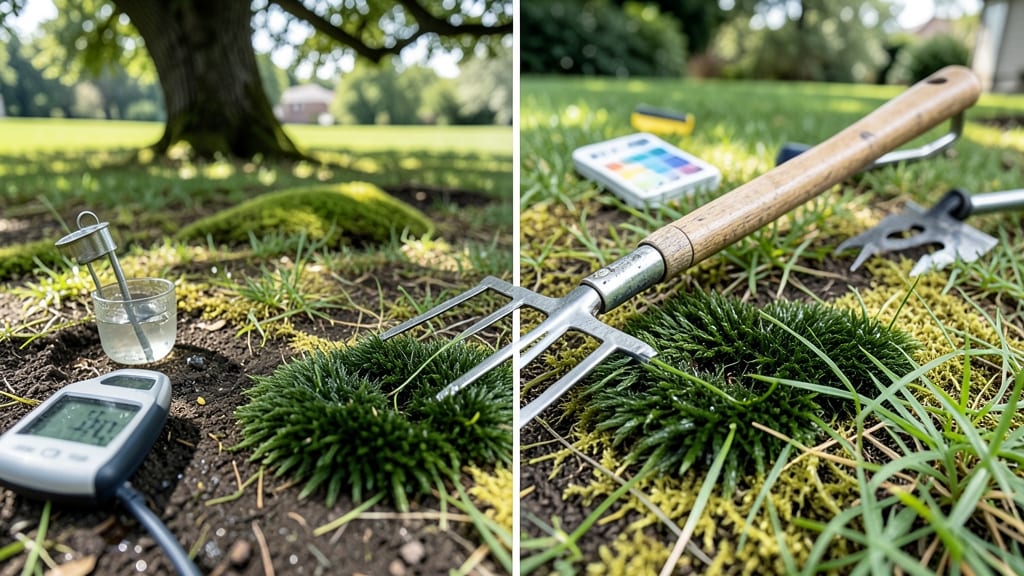
Why do I have moss in my lawn? That velvety green carpet isn’t just unsightly—it’s thriving where grass struggles, thanks to poor drainage, shade, or a pH that’s too low. I’ve battled this myself, and the fix isn’t as daunting as it seems.
The good news? Moss loves what grass hates—compacted soil and low pH. By improving airflow with aeration, spreading lime to raise pH, and overseeding with shade-tolerant grass, you’ll crowd out moss naturally. My lawn went from 80% moss to 90% grass in just two seasons with these steps.
You’ll see the first signs of change within weeks: fewer moss patches, more grass sprouts, and soil that finally supports what you planted. The key is consistency—don’t rush the process, and soon your lawn will be the envy of the neighborhood.
For stubborn cases or large yards, professional help speeds things up. But for most of us, a little elbow grease and the right approach turns moss from a nuisance into a distant memory.
The Hidden Triggers Behind Lawn Moss
Moss in your lawn isn’t just an unsightly nuisance—it’s a symptom of deeper issues, often tied to your soil, sunlight, or care habits. Understanding these triggers is the first step to reclaiming a thick, vibrant lawn.
Let’s break down the science behind why moss takes over, so you can address the root causes (literally!).
Moss thrives in acidic conditions (pH below 6.5), while most grasses prefer a neutral to slightly alkaline range (6.0–7.5).
Here’s why: - Low pH = More Aluminum & Manganese: Acidic soil releases toxic metals like aluminum and manganese, which stress grass roots and create gaps for moss spores to colonize. - Poor Nutrient Availability: In acidic soil, essential nutrients like phosphorus and nitrogen become locked away, weakening grass and giving moss an advantage. - How to Check: Grab a soil test kit (or send a sample to a lab) to measure pH. If it’s below 6.0, lime (calcium carbonate) can raise it—but don’t overdo it, or you’ll shock your lawn.
💡 Pro Tip: If your moss is dark green and spongy, acidic soil is likely the culprit. Test before treating!
Moss loves low-light areas because it doesn’t need sunlight to photosynthesize—it absorbs moisture directly from the air.
Meanwhile, most grasses (like Kentucky bluegrass or fescue) require 4–6 hours of sun daily to stay thick. - Why It Happens: - Weakened Grass: Shade reduces grass growth, creating thin patches where moss spreads unchecked. - High Humidity: Shady areas stay damp longer, giving moss a moisture advantage over drought-prone grasses. - Solution: Plant shade-tolerant grasses (like fine fescue) or add ornamental ground covers to compete with moss naturally.
🌡️ Pro Tip: If your lawn has tree canopies or north-facing slopes, moss will likely return unless you adjust sunlight exposure.
Moss loves moisture—so much that it can outcompete grass in soggy conditions.
Here’s how water plays a role: - Too Much Water: - Oxygen Deprivation: Overwatered soil suffocates grass roots, leaving moss to dominate. - Fungal Growth: Excess moisture encourages lawn diseases (like brown patch), further weakening grass. - Poor Drainage: - Compacted Soil: Heavy foot traffic or clay soil traps water, creating perfect moss habitats. - How to Fix It: Aerate in fall or spring, then top-dress with compost or sand to improve drainage.
✨ Pro Tip: Water deeply 2–3 times per week (early morning) and avoid shallow, frequent watering—this encourages grass roots to grow deeper.
Grass needs nitrogen, phosphorus, and potassium to outcompete moss.
If your lawn is starved: - Thin Grass = Moss Entry: Without proper fertilization, grass becomes weak and patchy, leaving gaps for moss spores. - Wrong Fertilizer Mix: Too much quick-release nitrogen can burn grass, while low phosphorus weakens roots. - Solution: Use a balanced fertilizer (10-10-10 or 16-4-8) in early spring and fall, and consider slow-release options to avoid spikes.
🎯 Pro Tip: If your moss is bright green and spreading fast, your lawn is likely nitrogen-deficient—apply a high-nitrogen fertilizer (like 24-0-4) to revive grass.
Moss spreads fastest in cooler, damp conditions (think Pacific Northwest or Northern states).
Here’s why: - Slow Grass Growth: In spring or fall, grass grows slowly, while moss spreads aggressively via spores. - Persistent Moisture: Rainy climates keep moss hydrated year-round, giving it a competitive edge. - What to Do: - Mow Higher (3–4 inches) in cool seasons to shade out moss. - Use Pre-Emergent Herbicide in early spring to block moss spores before they germinate.
🔥 Pro Tip: If you live in a rainy or foggy area, moss may never fully disappear—but you can suppress it with the right care.
Heavy foot traffic or equipment use compacts soil, reducing oxygen and nutrients for grass.
This creates: - Thin, Stressed Grass: Compacted areas recover slowly, leaving room for moss. - Hardened Soil: Moss spores land and take root more easily in disturbed soil. - Fix It: Aerate annually (especially high-traffic areas) and overseed with dense grass varieties like ryegrass.
👨🍳 Pro Tip: Walk on wooden boards or gravel paths to protect your lawn from compaction.
Fixing Mossy Lawns for Good
Now that you know why moss is taking over your lawn, it’s time to reclaim that vibrant green space! The good news? With the right approach, you can eliminate moss and create an environment where grass thrives.
Below, we’ve mapped out practical, step-by-step solutions tailored to the most common causes of moss—plus tips to keep it from coming back.
Moss loves shade, but grass? Not so much. If your lawn is mostly in the dark, start by improving light exposure and adjusting your grass choices.
🌱 Step 1: Trim Overhanging Branches
- Use pruning shears or a chainsaw to trim back tree branches that block sunlight.
- Aim for at least 4–6 hours of direct sunlight per day for most grass types.
- Pro Tip: 💡 If trees are a permanent fixture, consider shade-tolerant grasses like fine fescue or creeping red fescue.
🌿 Step 2: Thin Out Dense Shrubs
- Remove or prune thick shrubs that cast deep shade.
- Replace them with sun-loving plants near the edges of your lawn to break up dense shadows.
☀️ Step 3: Reseed with Sun-Loving Grass
- Overseed your lawn in early fall with a sun-tolerant grass mix (e.g., Kentucky bluegrass or tall fescue).
- Apply starter fertilizer to help new grass establish quickly.
Moss thrives in acidic conditions, while most grasses prefer a neutral pH (6.0–7.0). Test your soil first (DIY kits are cheap and easy), then take action.
📊 Step 1: Test Your Soil’s pH
- Grab a soil test kit (available at garden centers) or send a sample to a local extension office.
- If pH is below 6.0, it’s too acidic—time to adjust!
🧪 Step 2: Apply Lime to Neutralize Acid
- Spread agricultural lime (calcium carbonate) evenly over your lawn.
- Rate: Follow package instructions (typically 50–100 lbs per 1,000 sq ft for severe cases).
- When to Apply: Early fall or spring—avoid summer heat.
- Pro Tip: ✨ Top-dress with compost after liming to improve soil structure and fertility.
🌱 Step 3: Fertilize for Grass, Not Moss
- Use a balanced fertilizer (10-10-10 or 16-4-8) in early spring and fall.
- Avoid high-nitrogen, slow-release fertilizers—they can feed moss instead of grass.
- Overseed after fertilizing to thicken the grass blanket.
Moss loves soggy spots, but grass needs well-draining soil. If your lawn stays waterlogged, fix the drainage first.
🚧 Step 1: Aerate Compacted Soil
- Rent a core aerator or hire a pro to pull small soil plugs (1/2"–3/4" deep).
- Do this in early fall or spring when soil is moist but not muddy.
- Pro Tip: 🌡️ Follow up with overseeding—grass needs air to grow!
💧 Step 2: Level Low Spots
- Use a rake or shovel to break up compacted areas.
- Fill low spots with a sand and topsoil mix (50/50 ratio).
- Warning: ⚠️ Avoid piling soil too high—this can create new drainage issues.
🌧️ Step 3: Install French Drains (For Severe Cases)
- If water pools consistently, dig a trench (12" deep, 6" wide) and fill it with gravel and a perforated pipe.
- Slope the trench away from your lawn toward a drain or dry well.
- Pro Tip: 🔥 Add compost to improve soil absorption over time.
Moss moves in when grass is sparse. A dense, healthy lawn crowds out moss naturally.
🌱 Step 1: Overseed Bare Spots
- Best time: Late summer to early fall (when temps are cool).
- Grass choice: Pick a fast-growing, competitive mix (e.g., perennial ryegrass for quick cover).
- How to apply:
- Mow existing grass short (1–1.5") before seeding.
- Spread seed evenly with a broadcast spreader.
- Lightly rake in and water daily (1/4" per day) until new grass is 3" tall.
💪 Step 2: Strengthen Existing Grass
- Mow high (3–4") to shade out moss and encourage deep roots.
- Avoid scalping—never remove more than 1/3 of the blade height at once.
- Dethatch if the layer is >1/2" thick (use a dethatching rake in spring).
🌿 Step 3: Apply Pre-Emergent Herbicide (Optional)
- If moss is already thick, spot-treat with a natural moss killer (like iron-based products).
- Avoid salt or vinegar—they can burn grass and harm soil.
- Pro Tip: 🎯 Reapply lime and overseed after moss dies to prevent regrowth.
Once you’ve kicked moss to the curb, lock in your progress with these habits:
✅ Mow regularly (but never too short) to crowd out weeds and moss. ✅ Water deeply but infrequently (1–1.5" per week) to encourage deep roots. ✅ Test soil pH yearly—keep it between 6.0–7.0. ✅ Aerate every 1–2 years to prevent compaction. ✅ Apply a slow-release nitrogen fertilizer in spring and fall to feed grass, not moss. ✅ Rake up moss clumps as they appear—don’t let them spread spores.
Final Thought: 🌟 A moss-free lawn is totally achievable—it just takes patience, the right tools, and consistent care. Start with one or two fixes (like liming + overseeding), then build from there. Before you know it, that lush green carpet will be all yours!
Frequently asked questions
Is moss actually bad for my lawn?
Moss itself isn't harmful, but it's a sign your lawn needs attention. It thrives where grass struggles, often indicating acidic soil, poor drainage, or low sunlight. While it won't harm grass directly, it can prevent proper lawn care by making soil harder to aerate and reducing grass growth opportunities.
Can I just remove moss and expect grass to grow in its place?
No, simply removing moss won't solve the underlying issues. Without addressing soil pH, drainage, or sunlight, grass seeds will struggle to establish. Always fix the root causes first—like aerating compacted soil and applying lime—before seeding to give grass a real chance to thrive.
How long does it take to eliminate moss completely?
With proper treatment, you'll see noticeable improvement in 4-6 weeks, but complete elimination can take 1-2 seasons. The process involves multiple steps: adjusting pH, improving drainage, overseeding, and maintaining proper lawn care. Consistency is key—moss won't disappear overnight, but with patience, your lawn can become moss-free.
Will lime hurt my grass if I apply too much?
Yes, over-applying lime can raise soil pH too quickly, potentially damaging grass. Always follow package instructions and test your soil first. A good rule is to apply 50-100 lbs per 1,000 sq ft for acidic soil, but monitor your lawn's response. If grass turns yellow or brown, you may have overdone it.
Can I use vinegar or salt to kill moss?
While vinegar and salt can kill moss, they're not recommended for lawns. Vinegar can lower soil pH too much, and salt will harm grass roots and soil structure. Instead, use iron-based moss killers or spot-treat with a natural solution of water and dish soap (1 tbsp per gallon) for safer results.