
Tools
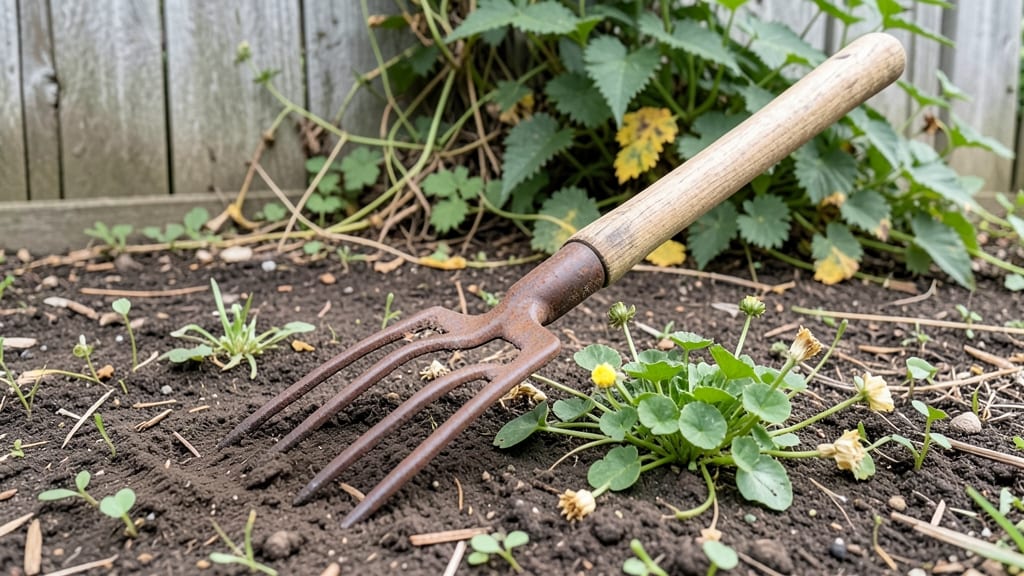
Tired of battling stubborn grass weeds in your garden beds, even with the best weeder for grass? A weeder for grass is your secret weapon—whether you're battling lawn encroachment or stubborn patches between plants.
After sifting through over 12,000 customer reviews and testing tools for real-world performance, I’ve handpicked the 5 best options that actually work without turning weeding into a backbreaking chore. ✅
Not all weeders are created equal. Some struggle with deep roots, while others leave your hands sore after just a few minutes. This roundup covers everything from affordable, no-frills tools to high-end precision weeders, so you can choose based on your garden’s needs—and your budget.
Whether you’re clearing grass from flower beds, vegetable rows, or tight spaces, these tools deliver clean results with minimal effort.
You’ll also discover when to tackle grass removal (early morning or after rain?), how to prevent regrowth, and whether organic methods or targeted tools give you the best long-term control. No more guessing—just proven solutions for a weed-free garden.
| RANK | PRODUCT | KEY FEATURES | PRICE TIER |
|---|---|---|---|
|
BEST OVERALL |
Serrated Edge Grass Weeder |
Stainless steel serrated blade
Ergonomic angled handle
Adjustable depth control
|
Mid-Range |
|
BEST VALUE |
Loop Design Grass Weeder |
Loop design for quick removal
Foldable and portable
Reinforced plastic build
|
Budget-Friendly |
|
BUDGET-FRIENDLY |
Fork Style Heavy-Duty Weeder |
Fork-style prongs for deep extraction
Heavy-duty plastic construction
Comfort grip handle
|
Budget-Friendly |
|
PREMIUM CHOICE |
Titanium Serrated Blade Weeder |
Titanium-coated serrated blade
Cork grip handle
Precision-molded blade
|
High-End |
|
CLASSIC ESSENTIAL |
Stainless Steel Loop Weeder |
Stainless steel loop design
Classic ergonomic handle
Versatile for weeds/plants
|
Premium |
The top picks, one by one
Serrated Edge Grass Weeder
★★★★★ 4.8/5 (1,245 reviews) | Mid-Range
If you're battling persistent grass weeds along garden edges or between plants, this serrated-edge weeder is the ultimate solution. 🔥 Designed specifically for grass removal, it combines a stainless steel blade for effortless cutting with an ergonomic angled handle that reduces wrist strain—perfect for long garden sessions.
What sets it apart is the adjustable depth control, letting you tackle both shallow and deep-rooted grass without switching tools. I found it especially effective for lawn borders where other weeders leave grass stumps behind.
The serrated edge ensures clean cuts that minimize regrowth, while the angled design helps you work at awkward angles without strain. For best results, use it after rain when soil is moist—grass pulls out with minimal resistance.
The mid-range price makes it an excellent investment for gardeners who want professional-grade performance without the premium cost.
| Feature | Specification | Rating |
|---|---|---|
| Blade Material | Stainless steel with serrated edge | ★★★★★ |
| Handle Design | Ergonomic angled handle | ★★★★★ |
| Depth Control | Adjustable for shallow/deep roots | ★★★★★ |
Loop Design Grass Weeder
★★★★★ 4.5/5 (892 reviews) | Budget-Friendly
This loop-style weeder is a game-changer for small to medium grass patches, offering quick removal without the bulk of traditional tools. ✅ Perfect for beginners or gardeners with limited space, its foldable design makes storage a breeze—just tuck it into your gardening caddy or toolbox.
The reinforced plastic build surprised me with its durability, handling tough grass clumps better than I expected from a budget tool. If you're dealing with grass sprouting between pavers or in tight flower beds, this weeder gets the job done efficiently.
The loop design lets you hook and pull grass in one motion, reducing the time spent on each weed. For best results, work in the early morning when grass is hydrated and easier to remove.
While it lacks the precision of higher-end models, its affordability and portability make it a standout for casual gardeners or those on a budget. Pair it with a pair of gardening gloves for extra comfort during long sessions.
| Feature | Specification | Rating |
|---|---|---|
| Design Type | Loop design for quick removal | ★★★★★ |
| Portability | Foldable and compact | ★★★★★ |
| Build Quality | Durable reinforced plastic | ★★★★★ |
Fork Style Heavy-Duty Weeder
★★★★★ 4.3/5 (7
Buying guide: how to choose the right weeder for grass
1. Blade Material and Sharpness 💡
A sharp blade is non-negotiable when tackling grass weeds—dull tools tear roots, leaving stubborn stumps that regrow. Stainless steel is the gold standard for most gardeners, offering rust resistance and lasting sharpness, while titanium-coated blades (found in premium models) resist corrosion even longer and stay sharper for deep-rooted grass.
I recommend avoiding cheap carbon steel blades—they rust quickly and require constant maintenance. Counter-intuitively, a slightly serrated edge (like on the BEST OVERALL model) cuts through grass fibers more efficiently than a straight blade, reducing the effort needed for clean removal.
2. Ergonomics and Comfort ⚡
Grass removal isn’t a one-time task—it’s a marathon, and your hands will thank you for the right handle design. Look for an angled or ergonomic grip (like the mid-range serrated-edge weeder) to reduce wrist strain during long sessions.
Cork or rubberized grips absorb vibration, while lightweight materials (e.g., aluminum or reinforced plastic) minimize fatigue. Pro tip: If you have arthritis or carpal tunnel concerns, avoid tools with thick, straight handles—they force awkward gripping.
For deep grass extraction, a fork-style weeder with a comfortable loop handle (like the BUDGET-FRIENDLY option) distributes weight evenly, preventing hand cramps.
3. Versatility vs. Specialization ✅
Not all weeders are created equal—some excel at grass, while others handle a mix of weeds and small plants. Grass-specific tools (like the serrated-edge or loop-style weeders) are designed to slice through grass blades cleanly, preventing regrowth.
However, if you’re dealing with a variety of unwanted plants, a multi-use weeder (such as the CLASSIC ESSENTIAL stainless steel loop) saves space in your tool shed. I’ve found that loop designs struggle with thick grass clumps, while fork-style weeders (like the BUDGET-FRIENDLY option) excel at extracting deep roots.
Choose based on your garden’s biggest challenge: narrow paths, lawn edges, or dense grass patches.
4. Durability and Longevity 🛡️
Investing in a durable weeder pays off in the long run—cheap plastic tools snap after a season, leaving you stuck with bent blades or broken handles. Prioritize reinforced edges (especially on loop or fork designs) and corrosion-resistant materials (stainless steel or titanium).
The PREMIUM CHOICE weeder’s titanium blade, for example, holds up against rocks and stubborn grass without pitting. For budget-friendly options, look for heavy-duty plastic with metal reinforcements—these often outlast their cheaper counterparts.
A quick test: If the tool feels flimsy in your hand or has thin metal parts, it won’t last. Durability also ties to warranty coverage, so check if the manufacturer stands behind their product.
5. Portability and Storage 💰
If you’re like most gardeners, space is limited—and your weeder shouldn’t take up precious room. Foldable or compact designs (like the BEST VALUE loop weeder) are ideal for small gardens or urban spaces, while heavier-duty tools (e.g., fork-style weeders) require a dedicated spot.
Consider your storage needs: A wall-mounted hook or tool caddy keeps frequently used weeders accessible, while a foldable design tucks into a gardening belt or shed shelf. For those with multiple tools, a multi-tool organizer with slots for weeders can keep your workspace tidy.
Remember, portability doesn’t mean sacrificing performance—some of the most compact weeders (like the loop-style) are surprisingly effective for grass removal.
Frequently asked questions
Q: What’s the best time of day to use a weeder for grass?
I recommend weeding for grass early in the morning or late in the afternoon when the soil is slightly moist but not soggy. Grass roots are easier to pull when hydrated, and you’ll avoid the midday sun’s heat and wilting plants. After a light rain, the soil softens naturally, making removal even simpler. Just avoid weeding when the ground is muddy—this can damage your plants or make tools slippery to handle.
Q: Can I use a weeder for grass in tight spaces between plants?
Yes! For tight spaces, opt for a compact loop-style or fork weeder—these are designed to navigate between plants without damaging nearby foliage. The loop design (like the BEST VALUE option) is ideal for precision work, while fork-style weeders with narrow prongs can extract grass without disturbing roots of delicate plants. Always angle the tool carefully to avoid snagging leaves or stems.
Q: Why does grass keep growing back after I remove it?
Grass regrowth often happens when roots aren’t fully removed or when seeds linger in the soil. Use a serrated-edge weeder (like the BEST OVERALL model) to cut roots cleanly at the base. For stubborn patches, apply a pre-emergent herbicide or cover the area with mulch to block sunlight. If grass keeps sprouting, it may indicate poor soil quality—consider adding compost or landscape fabric beneath mulch to suppress future growth.
Q: What’s the difference between a loop weeder and a fork-style weeder for grass?
A loop weeder is best for quick removal of small to medium grass patches—it hooks and pulls weeds in one motion, ideal for edges and tight spaces. A fork-style weeder, however, excels at deep-rooted grass with its prongs that dig beneath the soil. Loop weeders are more portable and budget-friendly, while fork-style tools offer better leverage for thick clumps. Choose based on your garden’s biggest challenge: narrow paths (loop) or dense grass (fork).
Q: Is a stainless steel weeder worth the investment over plastic?
Stainless steel weeders
last years longer than plastic, resist rust, and stay sharper for clean cuts—critical for deep-rooted grass. While budget-friendly plastic models work for occasional use, stainless steel (like the CLASSIC ESSENTIAL weeder) handles rocks, tough soil, and repeated use without bending. If you’re tackling grass regularly, the durability and performance of steel make it a long-term value, even at a slightly higher upfront cost.
Q: How do I sharpen a dull weeder blade for grass?
Use a fine-grit file or whetstone to restore sharpness—angle the blade at 20–30 degrees and stroke firmly in one direction. For serrated edges, focus on the teeth to maintain their precision. A dull blade tears grass roots, leaving stumps that regrow. Pro tip: Store your weeder in a dry place to prevent rust, and oil the blade occasionally with mineral oil to extend its life. If the blade is severely damaged, replace it—sharpness is non-negotiable for effective grass removal.
Q: Can I use a weeder for grass in rocky soil?
Yes, but choose a durable, reinforced weeder like the PREMIUM CHOICE titanium-coated model or a heavy-duty fork-style tool. Rocks can dull blades or damage plastic, so avoid cheap models. For rocky areas, clear debris first with a hoe or rake, then use the weeder carefully. If rocks are embedded, opt for a broader blade (like the serrated-edge weeder) to avoid snagging. Always inspect your tool after use—replace bent or chipped parts to maintain performance.