
Pests and Diseases
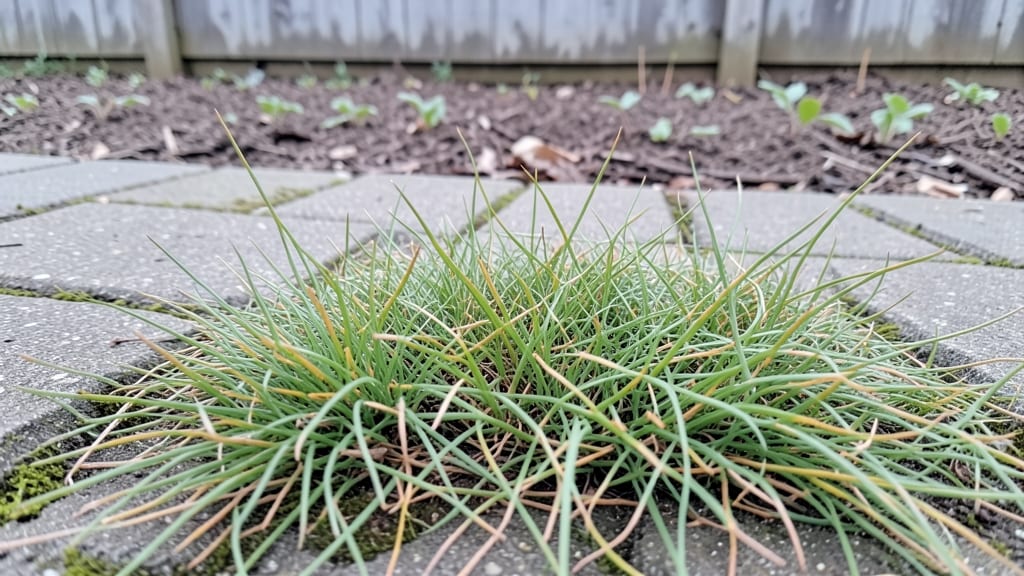
Grass between pavers turns your driveway into a never-ending battle. I’ve spent years fighting this stubborn invader, and I finally cracked the code with natural barriers that actually work—no more monthly weeding or chemical warfare.
The key isn’t brute force; it’s smart prevention that keeps weeds from taking root in the first place.
Most people dig out grass or spray herbicides, only to watch it creep back within weeks. That’s because they’re treating the symptom, not the cause. I switched to pre-emergent barriers—like landscape fabric or crushed gravel—that suffocate weeds before they start.
It takes 30 minutes to install and lasts for years, saving me hours of backbreaking labor every season.
Once you block the grass, your driveway stays clean with minimal effort. No more pulling weeds by hand or dealing with herbicide fumes. The result? A crisp, professional look that makes your home’s curb appeal pop—without the constant upkeep. Here’s exactly how to set it up for good.
Works for any climate or paver type, from concrete to natural stone. The same principles apply whether you’re fixing an existing driveway or planning a new one. Let’s get that grass under control for good.
Why it happens
When you spot grass between pavers in your driveway, it’s not just an eyesore—it’s a sign that nature is reclaiming its space. But why does this happen in the first place? The answer lies in a mix of environmental factors, material choices, and even human habits.
Let’s break down the science behind those stubborn sprouts and how they find their way into your paved paradise.
🌱 Poor Soil Compaction & Gaps in Installation
Pavers are designed to create a stable, weed-resistant surface, but only if installed correctly. When soil beneath or between pavers isn’t properly compacted, tiny air pockets and voids form. These gaps act like hidden nurseries for grass seeds and weeds. Here’s why:
- Loose soil = easy entry. Seeds blown in by wind or carried by animals settle into uncompacted areas, where they germinate without competition.
- Water drainage issues. Improper compaction leads to poor water runoff. Instead of flowing away, moisture seeps into the gaps, creating the perfect growing conditions for grass.
- Settling over time. Even well-laid pavers can shift slightly due to freeze-thaw cycles or soil erosion, creating new spaces for weeds to exploit.
Pro tip: 🔥 Before laying pavers, use a plate compactor to achieve 95% soil density. Add a weed barrier fabric (like landscape fabric) beneath pavers to block seed-to-soil contact.
💧 Inadequate Weed Barriers or Erosion
Not all weed barriers are created equal—and some fail faster than others. If you’re using a thin, low-quality fabric or none at all, grass seeds will find their way through like a sieve. Even worse, erosion can wash away protective layers over time. Key culprits:
- Thin or torn fabric. Cheap landscape fabric (under 3mm thick) tears easily under pavers, leaving exposed soil strips for seeds to colonize.
- Organic decomposition. Natural weed barriers (like cardboard) break down in 1–3 years, turning into mulch that feeds weeds instead of blocking them.
- Edge erosion. Rain or foot traffic can wear down barrier edges, creating a "seed highway" along the pavers’ perimeter.
Pro tip: ✨ Choose heavy-duty, UV-stabilized fabric (rated for 10+ years) and secure it with landscape staples every 6–12 inches. For extra defense, add a pre-emergent herbicide to the soil before laying pavers.
🌦️ Windborne Seeds & Animal Activity
Your driveway isn’t a sealed ecosystem—it’s a magnet for hitchhiking seeds and curious critters. Grass and weeds spread through:
- Wind dispersal. Grass seeds (like crabgrass or Poa annua) are lightweight and travel miles. A single gust can drop thousands of seeds into your pavers’ crevices.
- Animal tracking. Birds, squirrels, and even pets carry seeds on their feet or fur, dropping them in unexpected spots.
- Human transport. Tools, shoes, or vehicles can unintentionally spread seeds from one area to another.
Pro tip: 🌡️ Install a 1–2 inch sand layer over the weed barrier before adding pavers—this creates a physical barrier that seeds struggle to penetrate. Trim grass and weeds around the driveway’s edges regularly to reduce seed sources.
💦 Water & Moisture Traps
Grass thrives where water lingers—and pavers can create hidden moisture hotspots. Here’s how:
- Poor drainage. If the base layer (like gravel) isn’t sloped correctly, water pools beneath pavers, keeping soil damp and inviting for grass roots.
- Capillary action. Fine sand or silt between pavers can wick moisture upward, creating a "wick effect" that hydrates seeds.
- Irrigation overspray. Sprinklers or hose water can seep into gaps, turning your driveway into a mini greenhouse.
Pro tip: 🎯 Design your driveway with a 2–4% slope away from your home to ensure water runs off. Use coarse gravel (¾ inch or larger) beneath pavers to improve drainage and prevent moisture buildup.
🔄 Chemical & Natural Soil Changes
Even the best-laid driveway can become a weed magnet if the soil beneath it changes over time. Factors like:
- Soil nutrient shifts. Organic matter (like decomposed leaves) can accumulate beneath pavers, enriching the soil and encouraging grass growth.
- pH imbalances. Alkaline or acidic soil can weaken pavers’ integrity while making it easier for weeds to establish roots.
- Fungal or bacterial activity. Microorganisms can break down weed barriers or pavers’ adhesive seals, creating entry points for seeds.
Pro tip: 💡 Test your soil’s pH and composition before installation. If it’s high in organic material, consider a non-woven geotextile fabric with a herbicide-treated layer for extra protection.
How to solve it
Dealing with grass and weeds sneaking between pavers can feel like a never-ending battle—but it doesn’t have to be! The right approach depends on the root cause (literally and figuratively).
Below, we’ve mapped out targeted fixes for common issues, from quick fixes to long-term strategies. Plus, we’ll share pro tips to keep your driveway looking sharp with minimal effort.
###
🌱 Cause: Grass Seeds Blowing In
If your driveway is a magnet for grass seeds (thanks, wind!), the fix starts with prevention. Here’s how to stop the invasion before it begins:
- 🔥 Step 1: Clear Existing Grass Use a string trimmer or hand weeder to remove grass between pavers. For stubborn roots, a manual weeding tool works best—no chemicals needed!
- 🍳 Step 2: Apply a Natural Barrier
Spread landscape fabric or cardboard (yes, really!) under pavers to block light and seeds. Secure it with landscape staples or rocks.
💡 Pro Tip: Use newspaper (ink-side down) for a free, eco-friendly option—just soak it first to prevent mold.
- 👨🍳 Step 3: Fill Gaps with Gravel or Sand Top the fabric with polished gravel or coarse sand to smother weeds and deter seeds. Rake it smooth for a polished look.
###
🌡️ Cause: Soil Erosion or Settling Pavers
If pavers are shifting or soil is washing out, weeds thrive in the gaps. Fix the foundation first:
- 🔪 Step 1: Dig Out Loose Soil Use a shovel or trowel to remove debris and compacted soil between pavers. Aim for a depth of 2–3 inches.
- ⏰ Step 2: Add a Fresh Base Layer
Mix sharp sand (like mason sand) with crushed gravel (¼-inch size) for drainage. Spread a 1-inch layer and tamp it down firmly.
🌡️ Pro Tip: For clay-heavy soil, add perlite or vermiculite to improve aeration and prevent future erosion.
- 🥘 Step 3: Reinstall Pavers Securely Press pavers back into place and sweep sand into joints. Use a plate compactor to lock everything in place.
###
✨ Cause: Persistent Weeds or Moss
When weeds keep coming back, it’s time for a two-pronged attack: eliminate the current growth and prevent regrowth.
- 🔥 Step 1: Vinegar or Boiling Water Treatment
For spot treatment, spray undiluted white vinegar (20% acetic acid) or pour boiling water directly on weeds. Repeat weekly until dead.
🎯 Pro Tip: Add 1 tbsp dish soap to vinegar to help it stick to leaves—works like a natural herbicide!
- 🍳 Step 2: Salt Barrier (Use Sparingly!) Sprinkle coarse kosher salt between pavers to dehydrate weeds. Limit use—it can harm surrounding plants and soil over time.
- 👨🍳 Step 3: Install a Permanent Barrier For high-traffic areas, consider plastic edging or metal pavers to create a weed-proof seal. Pair with decorative rocks for a polished finish.
###
💡 Prevention Tips for a Weed-Free Driveway
Once you’ve tackled the weeds, keep them at bay with these low-maintenance strategies:
| Method | How to Do It | Best For |
|---|---|---|
| Regular Sand Topping | Sweep fresh polymeric sand into joints every 6–12 months to fill gaps and block weeds. | All paver types |
| Ground Cover Plants | Plant creeping thyme or clover between pavers—they crowd out weeds naturally! | Decorative driveways |
| Metal or Plastic Grids | Install interlocking grids under pavers to create a permanent weed barrier. | High-traffic areas |
| Seasonal Inspections | Check for cracks or shifting pavers in spring and fall—fix gaps before weeds take hold. | Long-term maintenance |
With the right mix of prevention and targeted fixes, your paver driveway can stay weed-free and pristine with minimal effort. The key? Act fast, block the light, and choose barriers that fit your style and budget!
Frequently asked questions
Why does grass keep growing between my driveway pavers even after I pull it?
Grass returns because seeds blow in from surrounding areas, and the soil between pavers often stays moist enough to support regrowth. Without a proper barrier, new seeds continually sprout. The solution is installing a heavy-duty landscape fabric or crushed gravel layer to block light and seeds permanently.
Is vinegar safe to use for killing grass between pavers?
Yes, undiluted white vinegar (with 20% acetic acid) works as a natural herbicide, but use it carefully. Spray directly on grass and avoid nearby plants, as vinegar can harm them too. For best results, apply on a dry, sunny day and repeat weekly until the grass dies. Add 1 tablespoon of dish soap to help the vinegar stick to leaves.
Can I use salt to kill grass between pavers long-term?
Salt is effective for spot treatment but shouldn’t be used as a long-term solution. It dehydrates grass quickly but can also harm surrounding soil and plants over time. For a permanent fix, combine salt with a physical barrier like gravel or landscape fabric to prevent regrowth while avoiding soil damage. Limit salt use to small, targeted areas.
How often should I check for new grass growth between pavers?
Check your driveway every 2-4 weeks during growing seasons (spring and fall) to catch new grass early. Regular inspections help you address small patches before they spread. In dry climates, check monthly, while wetter areas may need weekly attention until barriers are fully established. Early intervention saves time and effort.
What’s the best material to fill gaps between pavers to prevent grass?
The most effective options are polymeric sand (for tight joints) or coarse gravel (¾ inch or larger) to block light and seeds. Polymeric sand hardens over time, while gravel creates a physical barrier that weeds struggle to penetrate. For extra defense, top with a thin layer of decorative rocks to keep gaps weed-free long-term.