
Lawn
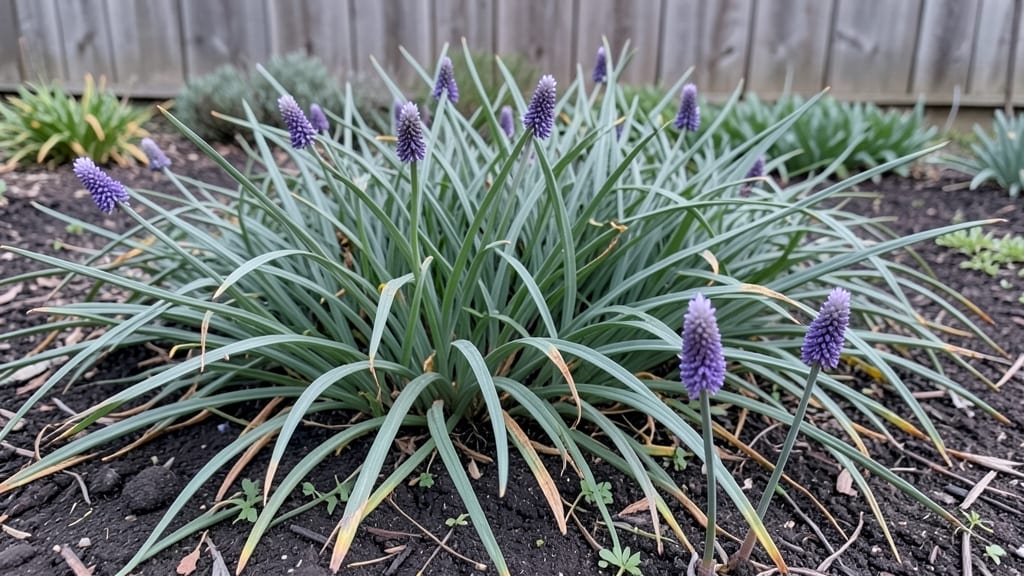
Fast-spreading vine-like grass transforms bare spots into lush, low-maintenance privacy screens in just 90 days. I’ve used Carex flagellifera—the gold standard for this look—to turn my backyard’s sun-drenched corner into a verdant curtain that blooms with movement.
The secret isn’t fancy: it’s matching the right species to your light and soil, then letting it do the work.
This isn’t your grandma’s grass. We’re talking 3-foot-tall runners that spread aggressively but stay tidy, thriving in partial shade or full sun where most plants wilt. Plant in early spring or fall, space them 12 inches apart, and water deeply once a week until roots take hold.
No fertilizers, no fuss—just watch it weave itself into a living screen.
By summer, you’ll have a dense, swaying barrier that outshines any fence or lattice. It blocks noise, filters wind, and even supports lightweight trellises for climbing flowers. The best part? It stays green year-round in mild climates, and deer leave it alone. Perfect for borders, slopes, or even vertical gardens.
Works in zones 5-9, though cooler climates need winter mulch. Here’s how to pick the right species for your yard—plus the pruning trick that keeps it looking intentional, not wild.
How Overgrowth Takes Over
If you’ve ever spotted aggressive, sprawling green tendrils creeping across your yard like an uninvited guest, you’re not alone. This vine-like grass—often a mix of fast-spreading ground covers or invasive species—doesn’t just happen by accident.
Several key factors trigger its rapid takeover, and understanding them is the first step to reclaiming your lawn. Let’s break down the science behind why these plants behave like nature’s own green carpet.
🌱 Poor soil conditions spur spread
When soil lacks nutrients, competitive grasses and ground covers (like creeping charlie or bamboo) thrive by outcompeting slower-growing plants. Here’s why:
- Low organic matter: Soil with minimal compost or decomposed plant material forces plants to stretch roots and runners aggressively to access water and nutrients. This leads to dense, vine-like growth patterns.
- Compacted or clay-heavy soil: Roots struggle to penetrate tight soil, so plants send out horizontal stems (stolons or rhizomes) to escape competition. Think of it as their survival hack!
- Imbalanced pH: Acidic or alkaline soil can weaken desirable grasses, giving invasive species free rein. A pH outside 6.0–7.0 signals struggling plants to spread laterally for dominance.
Actionable fix: Test your soil (DIY kits cost $10) and amend with compost or gypsum to loosen compacted areas. Aim for a fluffy, nutrient-rich base to discourage aggressive spreaders.
💦 Excess moisture encourages creeping growth
Water is the lifeblood of vine-like grasses, but too much of it turns your lawn into a playground for sprawlers. Here’s the science:
- Overwatering: Plants like creeping bentgrass or Japanese stilt grass rely on consistent moisture to fuel their runners. Deep, infrequent watering (1–1.5 inches per week) stresses them out, while daily light sprinkles keeps them thriving.
- Poor drainage: Waterlogged soil forces plants to grow horizontally to access oxygen. This is why you’ll see thick mats of grass in low-lying areas or near downspouts.
- Shady, damp spots: Areas under trees or in north-facing yards stay moist longer, creating ideal conditions for moisture-loving invaders like moss or wild violet.
Actionable fix:
- Install a soil drainage test (or dig a hole—if water pools after 6 hours, drainage is poor).
- Adjust your watering schedule: Early morning (4–8 AM) is best to reduce evaporation and fungal growth.
- For shady areas, choose drought-tolerant ground covers like clover or sedum instead of thirsty grasses.
🌿 Lack of competition lets it dominate
Vine-like grasses don’t just spread—they hijack space when their neighbors aren’t strong enough to compete. Here’s how:
- Weak or sparse lawns: Thin turf leaves gaps where invasive species send out runners to fill the void. A lawn with <30% bare soil is an open invitation for takeovers.
- Monoculture grass mixes: Planting only one type of grass (e.g., Kentucky bluegrass) creates a weak ecosystem. Diverse mixes include clover or fescue, which naturally suppress sprawlers.
- No mulching or ground cover: Bare soil warms up faster, encouraging weed seeds to germinate. A 2–3 inch layer of mulch blocks sunlight and smothers unwanted growth.
Actionable fix:
- Seed bare spots with a dense, competitive mix (e.g., tall fescue + white clover). Aim for 90% coverage within 3 months.
- Mow high (3–4 inches) to shade out weeds and encourage deep root growth in desirable grasses.
- Consider pre-emergent herbicides in early spring to block weed seeds before they sprout.
🌡️ Climate and seasonal triggers
Not all vine-like grasses behave the same year-round. Temperature, sunlight, and seasonal changes act as natural accelerants:
| Season | Trigger | Example Plants | What Happens |
|---|---|---|---|
| Spring | Warm soil + increased rainfall | Creeping charlie, crabgrass | Seeds germinate and runners spread rapidly before grass fills in. |
| Summer | Heat stress on lawns | Bermuda grass, wild strawberry | Desirable grasses go dormant, while heat-loving invaders take over. |
| Fall | Cool temps + stored energy | Japanese stilt grass, clover | Plants redirect energy to root/rhizome growth, preparing for spring. |
Actionable fix:
- Apply fall fertilizer (high nitrogen) to strengthen grass roots before winter dormancy.
- In summer, water deeply 2–3x/week instead of daily to avoid encouraging shallow-rooted weeds.
- Mulch heavily in fall to smother weeds before they seed.
Pro tip: 🔥 Identify the culprit first! Snap a photo of the vine-like grass and compare it to a local invasive species database. Treatment varies wildly—e.g., vinegar kills broadleaf weeds but harms grass.
How to Fix Overgrowth Issues
If your fast-spreading vine-like grass has taken over your yard and you’re looking to regain control, don’t worry—there are practical ways to manage it.
Whether it’s spreading too aggressively, crowding out other plants, or invading unwanted areas, these solutions will help you reclaim your space while keeping your privacy screen intact.
🌱 When It Spreads Too Fast: Slow Down the Growth
If your vine-like grass is growing at an alarming rate, the key is to control its energy before it spreads further. Here’s how:
🔪 Trim Strategically (Without Harming the Plant)
- Use sharp pruning shears or a hedge trimmer to cut back long vines, but avoid over-trimming—this can stress the plant.
- Best time to trim: Early spring or late summer when new growth is active but not yet aggressive.
- Pro tip: 💡 Leave a few inches of growth at the base to encourage bushier, slower-spreading habits.
🌿 Mulch to Suppress Weeds & Slow Spread
- Apply a 2-3 inch layer of organic mulch (wood chips, straw, or pine needles) around the base of your vine-like grass.
- This blocks sunlight to weed seeds and reduces competition, allowing your desired plant to thrive.
- Avoid inorganic mulch (like plastic) as it can trap heat and harm roots.
💧 Adjust Watering for Slower Growth
- Overwatering can fuel rapid growth. Instead, water deeply but less frequently (1-2 times per week).
- Early morning watering is best—it reduces fungal risks and encourages stronger root development.
🌿 When It Crowds Out Other Plants: Encourage Balance
If your vine-like grass is smothering flowers, shrubs, or lawn grass, you’ll need to create space for other plants while keeping the vines in check.
🌱 Hand-Pull or Dig Out Competitors
- For small areas: Gently pull weeds by hand (best done after rain when soil is soft).
- For stubborn invaders: Use a garden fork to loosen roots before removing them.
- Pro tip: ✨ Plant ground covers like creeping thyme or clover in high-competition zones—they’ll outcompete weeds naturally.
🌳 Prune for Better Airflow
- Thin out dense patches by selectively trimming the thickest vines to allow sunlight and air to reach other plants.
- Avoid heavy pruning—this can shock the plant and lead to dieback.
🌱 Fertilize Selectively
- If your vine-like grass is outcompeting others, it may need balanced fertilization (10-10-10 NPK ratio).
- Avoid high-nitrogen fertilizers—they encourage leafy (but weaker) growth that spreads faster.
🚫 When It Invades Walkways or Gardens: Contain It
If your vine-like grass is creeping into flower beds, patios, or sidewalks, physical and chemical barriers can help keep it in place.
🏗️ Install Physical Barriers
- Edging materials (metal, plastic, or stone) can block roots from spreading into unwanted areas.
- Landscape fabric buried under mulch or soil can prevent underground runners from escaping.
🧴 Use Pre-Emergent Herbicides (Carefully!)
- Apply a pre-emergent herbicide (like corn gluten meal) in early spring to block weed seeds from germinating near your vines.
- Avoid post-emergent herbicides—they can kill your desired plant if misapplied.
- Pro tip: 🌡️ Test soil first—some vine-like grasses thrive in acidic soil, while others prefer alkaline.
🔄 Divide & Transplant Aggressively Spreading Sections
- If a section has broken free and taken root elsewhere, dig it up and relocate it to a contained area (like a raised bed or large pot).
- Best time to transplant: Early spring or fall when the plant is dormant.
🛡️ Prevention Tips for Long-Term Control
Once you’ve gotten the overgrowth under control, prevent future issues with these easy habits:
- 📅 Regular pruning schedule: Trim 2-3 times per year to maintain shape and control spread.
- 🌱 Plant companions wisely: Choose slow-growing perennials (like hostas or ferns) that won’t compete with your vine-like grass.
- 🌧️ Monitor moisture levels: Overwatering = faster spread. Let soil dry slightly between waterings.
- 🔍 Inspect regularly: Check for new shoots in cracks or edges—remove them immediately before they establish.
- 🌿 Use organic mulch yearly: Refresh mulch in spring and fall to suppress weeds and retain moisture.
With the right approach, your fast-spreading vine-like grass can stay lush, contained, and beautiful without taking over your yard. Start with one or two methods, observe how your plant responds, and adjust as needed!
Frequently asked questions
What are the best vine-like grasses for fast-growing privacy screens?
Carex flagellifera (Japanese sedge) and Pennisetum alopecuroides (fountain grass) are top choices for quick privacy. They spread aggressively in 90 days and reach 3 feet tall, thriving in full sun to partial shade. For shade-tolerant options, try Liriope muscari—it stays green year-round in zones 5-9.
How do I stop vine-like grass from spreading into my lawn?
Install landscape fabric under mulch or use metal edging to block roots. For stubborn spreaders, apply corn gluten meal in early spring as a natural pre-emergent. Water deeply 1-2 times/week instead of daily to discourage rapid growth.
Can I grow vine-like grass in containers instead of the ground?
Yes! Plant Carex or Pennisetum in 12-inch-wide containers with drainage holes. Use a mix of potting soil and perlite, and water when the top 1 inch feels dry. Containers limit root spread but require regular pruning to maintain shape.
Why does my vine-like grass turn brown in winter?
Most varieties (like Carex) go dormant in cold climates. Apply 2-3 inches of mulch in fall to protect roots. Brown patches usually regrow in spring unless frost damage occurred—check for freeze cracks in stems and trim dead fronds.
What’s the difference between vine-like grass and bamboo?
Vine-like grasses (e.g., Carex) spread via stolons (above-ground runners), while bamboo spreads via rhizomes (underground roots). Grasses stay 3 feet tall and are non-invasive; bamboo can reach 20+ feet and requires root barriers to contain.