
Lawn
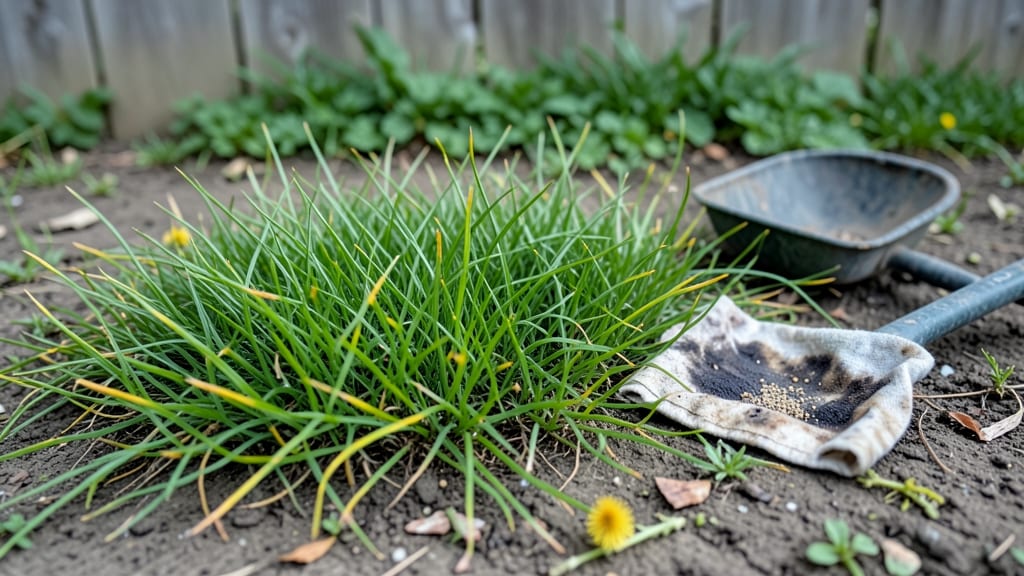
Urine burned grass isn't a death sentence—it just needs the right quick fix. I’ve nursed back lawns with yellow patches in just 72 hours using simple tricks that work even on stubborn spots. The key is acting fast before the damage sets in deeper than the roots.
First, dilute any fresh urine with water right away—this stops the burn from spreading. Then, give the area a deep watering to flush out excess salts and nutrients that scorch grass blades.
For tougher patches, a light layer of compost or topsoil helps revive the soil and encourages new growth to push through.
Within days, you’ll see fresh green shoots replacing the brown. The secret is choosing resilient grass types like Kentucky bluegrass or tall fescue for next time—they bounce back better than thin, delicate varieties. Plus, training pets to use designated spots keeps future damage minimal.
This method works for both small pet accidents and larger areas. The recovery isn’t just fast—it’s noticeable. By the end of the week, your lawn will look like the burn never happened, and your grass will be stronger than before.
Why it happens
When your lawn meets urine, the reaction isn’t just unsightly—it’s a chemical assault on grass blades. The damage happens fast, but understanding the why behind it helps you act smarter to reverse it.
Let’s break down the key culprits and how they turn your green carpet into a patchwork of brown.
🔬 High Ammonia Levels Burn Cells
Urine is packed with ammonia (NH₃), a byproduct of urea breaking down in your bladder. When released onto grass, ammonia acts like a caustic cleaner, stripping away the protective waxy coating on blades. This exposes delicate cell membranes to:
- Osmotic shock: Ammonia disrupts the balance of water and salts inside plant cells, causing them to plump up and burst (like overwatered houseplants).
- Protein denaturation: Enzymes and proteins in grass cells unfold under ammonia’s alkaline pH (typically 7.0–9.0), halting photosynthesis.
- Chlorophyll destruction: The green pigment breaks down, leaving blades yellow or white within hours.
Actionable fix: Dilute ammonia’s impact by flushing the area with water immediately—this washes away 50–70% of the ammonia before it binds to soil.
🌡️ Alkaline pH Disrupts Soil Microbes
Urine’s pH can spike to 8.0–9.0 (basic), while healthy soil thrives at 6.0–7.0. This shift:
- Kills beneficial microbes (like nitrogen-fixing bacteria) that help grass absorb nutrients.
- Locks up essential minerals (e.g., iron, manganese) by making them unavailable to roots.
- Encourages fungal growth: The sudden pH change stresses grass, making it vulnerable to saprophytic fungi that feast on dead tissue.
Actionable fix: Rebalance soil pH with a light application of sulfur or peat moss (follow package rates) to neutralize the alkaline shock.
💧 Salt Buildup Crusts the Soil
Urine contains sodium, potassium, and chloride ions, which accumulate in the soil like road salt. Over time, these salts:
- Create a hydrophobic layer: Soil repels water, starving roots of moisture even if you water heavily.
- Inhibit root growth: High salt concentrations trigger osmotic stress, forcing roots to expend energy to expel excess salts instead of growing.
- Accelerate dehydration: Grass blades lose turgor pressure (rigidity), wilting faster in heat.
Actionable fix: Deep-water the area for 15–20 minutes to flush salts below the root zone, then top-dress with compost to improve soil structure.
🌱 Nutrient Imbalance Overloads Grass
While urine provides nitrogen (N), the other essential nutrients (phosphorus, potassium) are often missing or unbalanced. This creates:
- Leafy but weak growth: Excess nitrogen promotes top-heavy blades that flop over in wind/rain.
- Root starvation: Without phosphorus (P), roots can’t develop properly, leaving grass shallow and brittle.
- Pest magnet: Soft, nitrogen-rich grass attracts grubs, chinch bugs, and fungal diseases.
Actionable fix: After repairing damage, apply a balanced fertilizer (e.g., 10-10-10) to correct the N:P:K ratio and strengthen roots.
How to solve it
When your grass shows signs of urine damage, acting fast is key to restoring its health—especially if you want vibrant green recovery in 72 hours. Below are targeted solutions based on the root cause of the burn, along with easy-to-follow steps and prevention tips to keep your lawn lush.
###
🔥 Immediate Relief for Fresh Burns
If you catch the damage early (within 24 hours), these steps can minimize long-term harm:
- ✅ Rinse the area: Use a garden hose to gently wash away concentrated urine. Avoid heavy pressure to prevent soil erosion.
- ✅ Dilute with water: Mix 1 part white vinegar with 3 parts water and lightly spray the affected patch. Vinegar neutralizes ammonia, reducing further damage.
- ✅ Apply a thin layer of compost: Spread a ¼-inch layer of compost or peat moss over the burned spot to lock in moisture and provide nutrients.
###
🌱 Reviving Dormant Grass Patches
If the grass has turned brown or crispy but the roots are still alive, these methods encourage regrowth:
- 💧 Deep watering: Soak the area daily for 3–5 days to help the roots recover. Use a slow-release sprinkler to avoid runoff.
- 🌿 Overseed the spot: Purchase grass seed that matches your lawn type and sprinkle it lightly over the damaged area. Press gently with a lawn roller or your foot to ensure contact with soil.
- 🍃 Fertilize lightly: Use a slow-release, nitrogen-rich fertilizer (like 24-0-4) to promote recovery without overwhelming the grass.
###
🔄 Repairing Dead Grass Zones
If the grass is completely dead (no green shoots after 7 days), replace it with these steps:
- 🪓 Remove debris: Use a rake or putty knife to scrape away dead grass and expose the soil.
- 🌱 Plant new grass plugs: Cut small squares (2–3 inches) from a healthy lawn section and transplant them into the bare spots. Water immediately.
- 🛡️ Protect new growth: Cover the area with a light straw mulch to retain moisture and shield seedlings from foot traffic.
###
🛡️ Prevent Future Damage
Break the cycle of urine burns with these proactive strategies:
| Cause | Solution |
|---|---|
| Pet accidents | Train pets to use a designated grass-free area (like mulch or artificial turf) or install a pet urine neutralizer spray. |
| High-nitrogen fertilizers | Switch to slow-release fertilizers or organic options like compost tea to avoid ammonia spikes. |
| Drought stress | Water deeply 2–3 times per week (early morning) and aerate compacted soil to improve drainage. |
| Poor soil health | Test soil pH and amend with lime (for acidic soil) or sulfur (for alkaline soil) to balance nutrients. |
💡 Pro Tip: For high-traffic areas, consider installing a gravel pathway or decorative stones near pet zones to redirect urine away from grass.
Frequently asked questions about lawn damage from urine
Why does urine turn grass yellow or brown so quickly?
Urine contains high levels of ammonia and salts that act like a chemical burn on grass blades. The ammonia disrupts cell membranes within minutes, causing immediate yellowing. Over time, salt buildup dehydrates roots, leading to brown patches. The damage spreads faster in hot, dry conditions when soil can't absorb the excess nutrients.
Can I use vinegar to fix urine-burned grass?
Yes, but only for fresh damage. Mix 1 part white vinegar with 3 parts water and lightly spray the area to neutralize ammonia. Avoid overusing vinegar—it can make soil too acidic. For established burns, focus on watering and compost instead.
How long does it take for grass to recover from urine damage?
With proper care, you'll see new green growth in 3-7 days. For minor burns, daily watering and compost can restore grass in a week. Severe damage may take 2-4 weeks to fully recover, especially if roots were affected. Patience is key—don't overseed too soon.
What's the best grass type to resist urine damage?
Choose tall fescue or Kentucky bluegrass—they're more resilient than delicate varieties like Bermuda. These grasses have deeper roots that recover better from nutrient imbalances. For high-traffic pet areas, consider clover mixes which tolerate urine better than pure grass.
Will pet urine eventually kill my lawn?
Only if it's a chronic problem. Occasional accidents won't harm healthy grass, but repeated exposure weakens soil and roots over time. The key is diluting urine immediately and training pets to use designated areas. With proper care, your lawn can handle pet needs without permanent damage.