
Plants
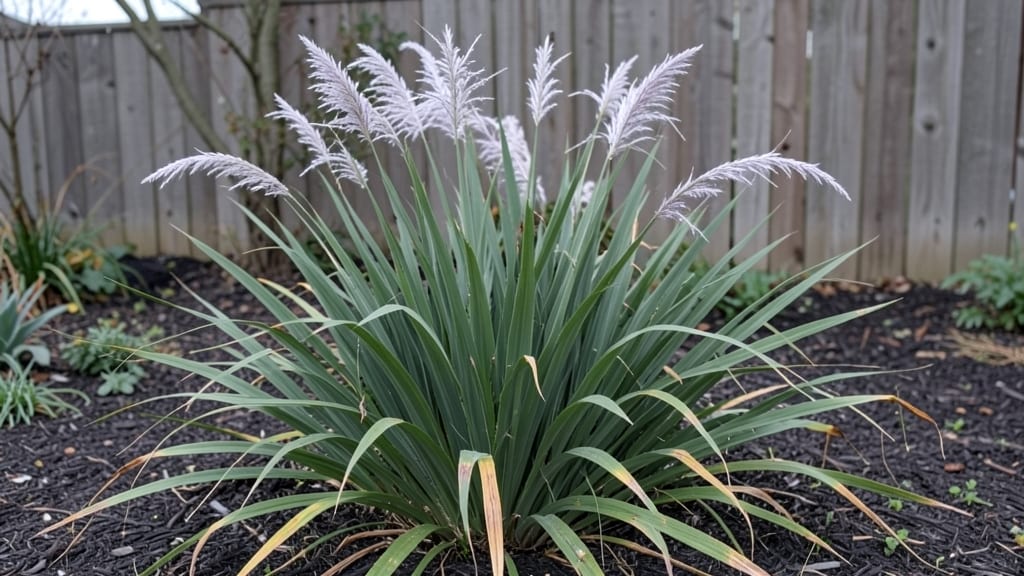
Growing the tallest pampas grass 🌿 means reaching heights of 12 to 15 feet—but only if you nail the timing of pruning and care.
If you've ever watched your pampas grass struggle to reach its full potential, you're not alone. The secret lies in understanding its rapid growth cycle and when to trim for maximum height.
In this guide, I’ll break down how fast pampas grass grows, the best varieties for height, and the exact pruning schedule to keep it thriving in USDA Zone 6a.
Ready to transform your yard with towering, dramatic foliage? Let’s get started.
How fast pampas grass grows to its tallest heights (and how to boost growth)
Pampas grass (Cortaderia selloana) is a dramatic ornamental grass that can reach 12–15 feet tall under ideal conditions—but its growth speed depends on variety, climate, and care.
The fastest-growing types, like Rosy Veil and Silver Frost, can add 3–5 feet per year once established, while slower varieties like Cortaderia jussieui mature more gradually. Understanding these growth rates helps you plan for that stunning vertical impact in your landscape.
For maximum height, pampas grass thrives in USDA Zones 7–10, where warm winters and long growing seasons accelerate its development. In cooler climates (Zone 6), growth slows, but with the right soil prep and sunlight exposure, you can still coax 10+ feet of height.
The key? Mimicking its native South American habitat with well-draining soil and full sun—both critical for rapid, healthy growth.
Here’s the science-backed breakdown of what fuels its towering stature: sunlight triggers photosynthesis, which directly fuels stem elongation, while deep watering ensures roots expand to support that height. Even a single missed watering in drought conditions can stunt growth by 20–30% in the first two years.
Let’s dive into the varieties, conditions, and care tips that unlock its full potential.
📊 summary table
| Variety | Mature Height | Growth Rate (Year 1–3) | Ideal Climate | Sun Needs |
|---|---|---|---|---|
| Cortaderia selloana 'Rosy Veil' | 12–15 ft | 3–5 ft/year | Zones 7–10 | Full sun (6+ hrs) |
| Cortaderia selloana 'Silver Frost' | 10–12 ft | 2–4 ft/year | Zones 6–9 | Full sun |
| Cortaderia jussieui | 6–8 ft | 1–2 ft/year | Zones 8–11 | Full sun to partial shade |
| Cortaderia selloana 'Sunburst' | 10–14 ft | 3–5 ft/year | Zones 7–10 | Full sun |
The Rosy Veil and Sunburst varieties are the fastest growers, shooting up 3–5 feet annually in their first three years—perfect for creating a quick privacy screen or focal point.
If you’re in Zone 6, opt for Silver Frost, which tolerates cooler temps while still reaching 10+ feet with patience. For tropical climates (Zones 8–11), Cortaderia jussieui is a slower but low-maintenance option, ideal for coastal gardens.
Soil is the foundation of fast growth. Pampas grass despises soggy roots, so amend heavy clay with sand or gravel to improve drainage. A mix of 50% native soil, 30% compost, and 20% perlite creates the well-aerated, slightly sandy texture it craves.
Test your soil’s pH—aim for 6.0–7.0—and add lime if it’s too acidic. Poor drainage is the #1 reason pampas grass stunts; invest in raised beds if your yard holds water.
Watering strategy is your next lever for height. Young plants (first year) need deep watering twice weekly, while established clumps thrive on bi-weekly deep soaks. The secret? Water early in the morning to reduce evaporation and fungal risks.
Overhead sprinklers can cause plume rot—always direct water at the base, not the feathery tops. Pro tip: Use a soaker hose to deliver moisture slowly without disturbing the roots.
Sunlight is non-negotiable. Pampas grass wilts and yellows with less than 6 hours of direct sun daily. In hot climates (Zones 9–10), provide afternoon shade to prevent leaf scorch. If you’re growing in containers, place them near a south-facing window or use grow lights for 12 hours/day.
Without enough light, growth slows by 50%, and those towering plumes you dream of will stay stubby.
Three science-backed tips will supercharge your pampas grass’s height:
- Fertilize in early spring with a balanced 10-10-10 formula to fuel new shoots,
- Mulch with 2–3 inches of straw to retain moisture and regulate soil temp, and
- Prune strategically—never
When and how to prune pampas grass for maximum height (step-by-step guide)
Pruning your tallest pampas grass at the right time can mean the difference between a 12-foot showstopper and a stunted, leggy mess. The key is understanding when to cut and what to avoid—especially if you're growing Cortaderia selloana varieties like Rosy Veil or Sunburst, which can reach towering heights.
Unlike many plants, pampas grass thrives on selective pruning rather than aggressive trimming.
Most gardeners make the mistake of pruning too early in spring or cutting back healthy foliage that fuels next year's growth. The best time to prune is late winter or early spring, right before new shoots emerge.
This timing ensures you remove dead growth while preserving the energy stored in the crown for rapid upward expansion. For mature plants in USDA Zone 6–10, aim for February or March, just as temperatures begin to rise.
⚠️ callout warning
Never cut into the woody base of your pampas grass—this is where new growth originates. If you accidentally sever the crown, your plant may never recover its maximum height. Use sharp pruners to trim only the dead plumes and brown stalks from the previous year, leaving at least 6 inches of healthy growth intact.
💡 Pro Tip: If your plant looks dormant in winter, wait until you see green shoots before pruning—this confirms it's safe to cut.
Start by removing the old flower plumes first—they’re the most obvious dead growth. These feathery plumes serve no purpose after they’ve faded and can weigh down new shoots. Use clean, sharp pruners to cut them at the base, about 1 inch above the crown.
Avoid tearing the stalks, as this can introduce fungal infections or pests. For extra-tall varieties like Sunburst, which can exceed 12 feet, focus on removing only the outermost dead plumes to maintain structural integrity.
Once the dead plumes are gone, inspect the inner foliage for any brown or brittle leaves. These should also be trimmed back to the healthy green growth.
However, never remove more than 30% of the foliage—this is crucial for maintaining the plant’s ability to photosynthesize and fuel its rapid vertical growth.
If you’re unsure what to cut, remember: healthy leaves are bright green, while dead leaves are tan or brown and crunchy to the touch.
After pruning, give your tallest pampas grass a light fertilizer application (like a 10-10-10 balanced mix) to encourage new growth. This is especially important if your plant is in poor soil or hasn’t had a chance to establish a strong root system.
Water deeply after fertilizing to help nutrients reach the root zone. Over the next few weeks, you’ll notice new shoots emerging from the center of the plant—this is your cue that the pruning was successful and the plant is gearing up for another 10–15 foot growth spurt.
If your pampas grass appears stunted or fails to grow tall, it might be suffering from over-pruning or poor drainage. In this case, avoid pruning for a full year and focus on improving soil conditions.
Amend the soil with compost or sand to ensure it drains well, and ensure the plant gets full sun (6+ hours daily). With the right care, even a lagging plant can bounce back and reach its full height potential within a season.
For year-round maintenance, a quick trim of winter-damaged plumes in late fall can keep your pampas grass looking tidy without harming its growth. Just remember: less is more when it comes to pruning these giants.
By following this step-by-step guide, you’ll ensure your tallest pampas grass stays healthy, dramatic, and ready to dominate your landscape for years to come. ✂️🌿