
Lawn
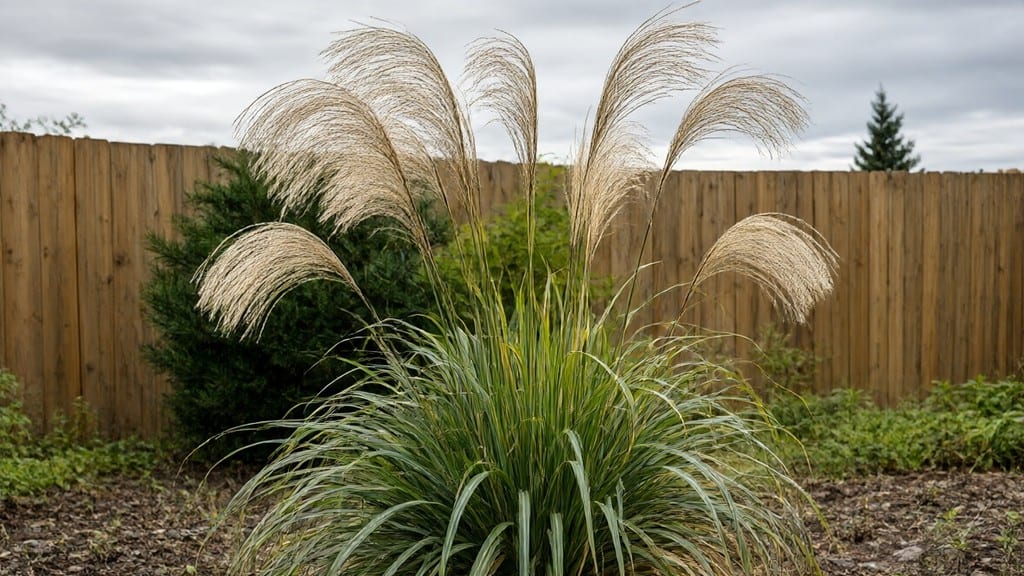
The tallest grass in the world isn’t just a plant—it’s a living skyscraper, reaching heights of 20+ feet with ease.
Picture this: a Giant Reed (🌿 Arundo donax) shooting up faster than a child’s growth spurt, its bamboo-like stalks swaying like a natural windbreak. What makes it so relentlessly tall—and how can you harness (or control) its power in your garden?
This isn’t just about aesthetics. Giant Reed thrives in USDA Zone 6 and beyond, turning ordinary landscapes into dramatic focal points. But its rapid spread can also turn it into an invasive force, so knowing how to plant and maintain it is key.
Below, I’ll break down its growth secrets, the best companion plants to pair with it, and how to keep it from taking over your yard—without sacrificing that jaw-dropping height.
How giant reed (Arundo donax) Grows to 20+ Feet Tall: Science Behind Its Towering Height
The giant reed (Arundo donax) isn’t just the tallest grass in the world—it’s a botanical marvel that outgrows most trees in its class. Its 20+ foot stalks aren’t just impressive; they’re the result of evolutionary adaptations that turn this grass into a growth powerhouse.
Let’s break down the science behind its sky-high stature.
At the core of its towering success lies its hollow, bamboo-like stems, which act like nature’s water transport system. These stems are lightweight yet structurally sound, allowing them to channel water and nutrients from aggressive root systems deep underground.
The rhizome network can spread 10+ feet per year, creating a self-sustaining water pipeline that fuels rapid vertical growth.
Here’s how its photosynthesis efficiency stacks up against other grasses:
| Feature | Giant Reed (Arundo donax) | Comparison Plants |
|---|---|---|
| Max Height | 15–25 ft | Bamboo: 30–100 ft; Miscanthus: 6–12 ft |
| Growth Rate | 3–6 ft/year | Bamboo: 1–3 ft/day; Switchgrass: 1–2 ft/year |
| Root System | Rhizomes spread 10+ ft/year | Fibrous roots (shallow); Clumping (bamboo) |
| Photosynthesis | C4 pathway (high efficiency) | C3 (most grasses); C4 (some bamboo) |
| Water Needs | High (wetland native) | Moderate (switchgrass); Low (miscanthus) |
Its C4 photosynthesis pathway is a game-changer. Unlike most grasses, giant reed converts sunlight into energy with 30% greater efficiency, even in hot, dry conditions. This adaptation allows it to thrive in USDA Zones 5–10, from sweltering deserts to temperate climates.
The result? Year-round growth in ideal conditions, with new stalks emerging every spring.
The seasonal growth pattern of giant reed is another key to its height. In spring and summer, it grows 3–6 feet per year, fueled by stored energy in its rhizomes.
By fall, the stalks mature, becoming woody and hollow—perfect for water transport and structural support. Unlike annual grasses, it doesn’t die back completely, retaining its bamboo-like structure year-round.
One of its most fascinating traits is its hollow stem architecture. These lightweight, air-filled stalks reduce weight while maintaining strength, allowing them to reach 20+ feet without toppling. The internal vascular bundles transport water and nutrients up to 25 feet, a feat few plants can match.
This design also makes it highly resilient to wind, a critical advantage in wetland and riverside habitats.
But here’s the catch: its aggressive rhizome spread can be a double-edged sword. While it thrives in moist, sunny conditions, those same rhizomes can outcompete native plants, earning it a spot on some invasive species lists.
In USDA Zone 8–10, it can spread uncontrolled if not managed, choking out other vegetation.
For gardeners, understanding these mechanics means you can harness its growth potential while mitigating risks. Plant it in contained beds with root barriers to prevent spread, and provide full sun and consistent moisture to encourage its towering stature.
With the right care, you’ll have a living privacy screen that outshines most trees.
Next time you see a giant reed swaying in the breeze, remember: it’s not just tall—it’s a botanical engineer of the plant world, optimized for height, resilience, and speed. And with the right conditions, your garden could soon host its own 20-foot skyscraper.
Giant reed vs. other tall grasses: why it dominates wetlands and riverbanks
When it comes to tall grasses, few can rival the giant reed (Arundo donax). This powerhouse reaches 20+ feet tall, outstripping most trees in its class. Its hollow, bamboo-like stems and aggressive root system let it thrive where other plants falter.
But how does it stack up against switchgrass, miscanthus, and bamboo? The answer lies in its flood tolerance and rapid regrowth—traits that make it the undisputed king of wetlands and riverbanks.
While switchgrass and miscanthus offer beauty and sustainability, they lack the height and hardiness of giant reed. Bamboo, though tall, struggles in waterlogged soils and requires careful containment. Giant reed, however, dominates because it adapts—whether in dry riverbeds or flood-prone zones.
Its invasive tendencies are a double-edged sword: a gardener’s dream for privacy screens but an ecosystem threat if left unchecked.
What truly sets giant reed apart is its growth speed. While miscanthus and switchgrass grow steadily but slowly, giant reed can shoot up 3-5 feet per year. This makes it ideal for quick privacy screens or windbreaks. Its hollow stems also make it lightweight yet sturdy, resisting high winds and floodwaters. In contrast, bamboo, though taller, is less adaptable to waterlogged conditions and often requires rhizome barriers to control spread. Ecologically, giant reed’s dominance comes with risks. Its aggressive rhizomes can outcompete native plants, altering ecosystems. Unlike switchgrass, which is native to North America and low-maintenance, giant reed demands regular monitoring to prevent it from taking over. For gardeners, this means planting it strategically—far from ponds or water sources—unless you’re prepared for constant upkeep. If you’re after height and dramatic impact, giant reed is unmatched. But if you prefer low-maintenance or native-friendly options, miscanthus or switchgrass may be better choices. Just remember: where giant reed grows, it thrives—and spreads. Use it wisely, or risk losing control of your landscape. For a balanced approach, pair giant reed with shorter grasses like feather reed grass (Calamagrostis acutiflora) to create textural contrast. This not only softens its imposing stature but also highlights its natural beauty without sacrificing its impressive height.
Grass Type
Max Height
Growth Rate
Habitat Preference
Flood Tolerance
Invasive Risk
Giant Reed (Arundo donax)
20-25 ft
3-5 ft/year
Wetlands, riverbanks
Excellent
High
Bamboo (e.g., Phyllostachys)
30-60 ft
1-2 ft/year
Moist, well-drained soil
Poor
Very High
Miscanthus (Miscanthus giganteus)
10-14 ft
2-3 ft/year
Sunny, dry areas
Moderate
Low
Switchgrass (Panicum virgatum)
3-6 ft
1-2 ft/year
Prairies, meadows
Good
Low