
Diseases
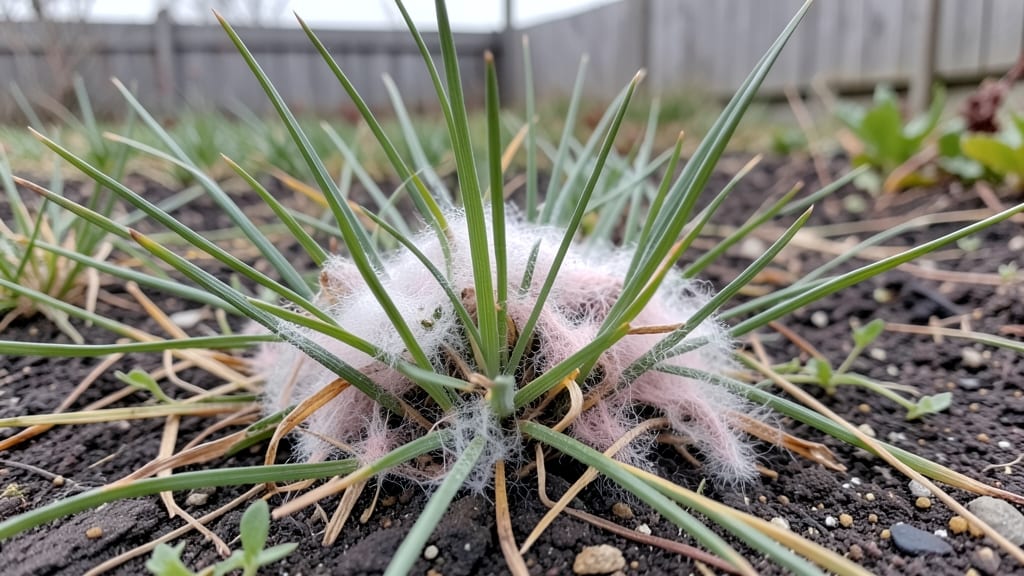
Snow mould on grass turns your lawn into a sad, gray blanket after winter—until you know how to fix it. 🌱 I’ve seen this fuzzy white mess ruin perfectly good grass, but with the right moves, your lawn can bounce back stronger than ever.
The key is acting fast in early spring before the damage sets in permanently.
This problem hits hardest on cool-season grasses like Kentucky bluegrass and fescue, especially when snow lingers for weeks. Poor drainage and thick thatch make things worse, trapping moisture and creating the perfect mold party.
The good news? You don’t need fancy tools—just a rake, some patience, and a few smart cultural tweaks.
Within days of raking out the mold and improving airflow, you’ll see fresh green shoots pushing through. The real secret is preventing recurrence: aerate in fall, overseed bare spots, and keep your lawn healthy so it fights off winter stress like a champ.
Let’s get your grass back to its vibrant self.
Works for any lawn, whether you’ve got a small yard or a sprawling backyard. The techniques here cut down on future damage and save you from springtime disappointment. Here’s how to turn that gray mess into lush green again.
The Hidden Triggers Behind Fungal Lawn Damage
Winter isn’t just a cozy season—it’s a perfect storm for snow mold, a fungal disease that turns your once-lush lawn into a patchy, grayish mess. But why does it strike some lawns and spare others?
The answer lies in a mix of environmental factors, grass health, and even how you care for your yard. Let’s break down the real culprits behind this frustrating problem.
🌡️ Cold, Wet Conditions Create Ideal Fungal Growth
Snow mold thrives when moisture, cold temperatures, and shade collide—like a fungal Goldilocks scenario. Here’s how it happens:
- Prolonged snow cover: Snow acts like a blanket, trapping moisture and insulating the soil. Underneath, temperatures hover just above freezing (32–50°F), creating the perfect cool, damp environment for fungi like Typhula incarnata (pink snow mold) or Microdochium nivale (gray snow mold) to spread.
- Poor drainage: If your lawn sits in waterlogged soil—whether from heavy snowmelt, clay soil, or compacted ground—the excess moisture gives fungi the hydration they crave. Fungal spores in the thatch (the layer of dead grass and roots) wake up and multiply when they’re constantly wet.
- Thin or weak grass: Snow mold doesn’t just attack; it preys on weakness. Lawns with thin turf, poor nutrition, or recent stress (like drought, pests, or heavy foot traffic) are prime targets. Healthy grass can resist fungal invasion better, but stressed grass becomes a buffet.
Pro Tip: 🌡️ If your lawn stays wet for more than 48 hours after snowmelt, that’s a red flag. Fungi start colonizing within 2–3 days of ideal conditions.
🌿 Over-Thick Thatched Layers Trap Moisture
The thatch layer—that spongy zone between your grass blades and soil—is a fungal hideout. When it gets too thick (over ½ inch), it blocks airflow, holds moisture like a sponge, and becomes a nutrient-rich breeding ground for snow mold.
- How it happens:
- Dead grass clippings, roots, and organic debris build up over time.
- Without proper aeration or dethatching, this layer smothers the grass below.
- Fungal spores hitchhike on thatch particles, spreading easily when conditions are right.
- Worst-case scenario: Thatch acts like a greenhouse, trapping heat and moisture—even under snow—giving fungi a year-round party.
Pro Tip: ✨ Test your thatch by slicing a small section of turf with a spade. If the layer between soil and grass blades is thicker than a pencil’s lead, it’s time to dethatch.
🌳 Shady, Low-Light Areas Invite Fungal Takeover
Sunlight is nature’s fungicide. When grass is starved of light—whether from dense trees, buildings, or overgrown shrubs—it weakens, and snow mold moves in.
- Why shade makes grass vulnerable:
- Less sunlight = weaker photosynthesis = less energy for the grass to fight off pathogens.
- Cool, shaded soil stays moist longer, extending the fungal growth window.
- Shady grass often grows slowly, leaving it thin and patchy—a fungal magnet.
- Common culprits:
- Evergreen trees (like pines or spruces) that block light year-round.
- North-facing slopes where snow lingers longer.
- Overgrown hedges or fences that cast deep shadows.
Pro Tip: 🌞 If your lawn has persistent shady spots, consider shade-tolerant grasses like fine fescue or creeping red fescue—or strategically prune trees to increase airflow.
🌱 Poor Fall Lawn Care Sets the Stage
Snow mold doesn’t just appear overnight—it’s often set up for success by mistakes made in late summer or fall. Here’s how:
- Late-season fertilization: Applying high-nitrogen fertilizer after mid-October encourages new, tender growth that can’t harden off before winter. This soft, new grass is fungi’s favorite snack.
- Skipping fall aeration: Compacted soil strangles roots, making grass weak and unable to bounce back from winter stress. Fungi exploit this weakness.
- Ignoring leaf buildup: A thick layer of wet leaves (especially from maples or oaks) smothers grass and traps moisture, creating the perfect fungal incubator.
- Not mowing properly: Leaving grass too long in fall creates a dense mat that blocks sunlight and holds moisture, while cutting too short stresses the grass.
Pro Tip: ⏰ Time your fall tasks like a pro:
- 🍂 Last mow: Mid-October (leave grass at 2.5–3 inches).
- 🌱 Fertilize: Early fall (use a slow-release, low-nitrogen formula).
- 🔥 Aerate: Late summer to early fall (helps relieve compaction).
Understanding these triggers is the first step to prevention. Once you know why snow mold strikes, you can outsmart it before it ruins your spring lawn. Next up: How to Stop It Before It Starts.
Fixing Fungal Lawn Damage Step by Step
Winter’s icy grip may leave your grass looking dull or patchy—but with the right approach, you can restore its vibrancy. Snow mould (or Fusarium patch) thrives in cold, wet conditions, but once spring arrives, you can tackle it head-on.
Below are targeted solutions based on the root cause of your lawn’s woes, plus prevention tips to keep it healthy long-term.
1. 🌱 Clear the Debris & Improve Airflow
If your lawn feels damp, compacted, or clogged with thatch, snow mould loves these conditions.
How to Fix It:
- 🔥 Rake or dethatch – Remove dead grass, leaves, and debris with a stiff rake or a dethatching tool. Focus on areas with grayish-white fungal growth (a classic snow mould sign).
- 🍳 Aerate compacted soil – Use a core aerator (rent one if needed) to pull small soil plugs. This lets air, water, and nutrients reach the roots.
- 👨🍳 Loosen thick thatch – If thatch (the spongy layer between soil and grass) is over ½ inch thick, rent a vertical mower or de-thatcher to break it up.
💡 Pro Tip: Water lightly after aerating to help recovery. Avoid heavy foot traffic on treated areas for 48 hours.
2. 🧼 Fungicide Treatment for Severe Cases
If ragging and aerating don’t fully clear the mould within 2–3 weeks, a fungicide can speed up recovery.
How to Fix It:
- 🔪 Choose the right fungicide – Look for myclobutanil or propiconazole (active ingredients in products like BioAdvanced Fungus Control). Follow label instructions for application rates.
- ⏰ Time it right – Apply when temperatures are above 50°F (10°C) and forecasted to stay dry for 24–48 hours (rain washes it away).
- 🌡️ Reapply if needed – For stubborn patches, treat again 7–14 days later.
⚠️ Warning: Avoid fungicides with copper sulfate—they can harm beneficial soil microbes and nearby plants.
3. 🌿 Revive the Grass with Proper Care
Weak grass invites snow mould. Strengthen your lawn to prevent regrowth.
How to Fix It:
- 🍃 Overseed bare spots – Choose cool-season grasses (like Kentucky bluegrass or fescue) for your climate. Sprinkle seed over aerated areas, then cover lightly with straw.
- 💧 Water deeply but less often – 1–1.5 inches per week (including rain) encourages deep roots. Water early morning to reduce fungal growth overnight.
- ✂️ Mow high – Set your mower to 3–4 inches to shade the soil and reduce stress on grass blades.
🎯 Prevention Tip: Apply a slow-release nitrogen fertilizer (like Milorganite) in early spring to boost grass resilience.
4. 🌡️ Adjust Your Lawn’s Microclimate
Snow mould thrives in cold, wet, shaded spots. Modify these conditions to discourage it.
How to Fix It:
- ☀️ Increase sunlight – Trim overhanging tree branches or shrubs blocking light. Aim for at least 4–6 hours of sun daily.
- 🌬️ Improve drainage – If your yard pools water, consider sanding or topdressing with compost to improve soil structure.
- 🍂 Fall cleanup – Remove leaf litter in late fall (before snow) to reduce moisture buildup.
✨ Long-Term Hack: Plant clover or creeping red fescue in high-risk areas—they tolerate shade and crowd out fungi better than turfgrass.
Final Reminder: Patience is key! Full recovery may take 4–6 weeks, but with these steps, your lawn will bounce back stronger than ever. 🚀
Frequently asked questions
Why does snow mold appear grayish-white instead of colorful like other lawn fungi?
Snow mold typically shows as grayish-white or pinkish growth because it’s caused by specific fungi like Microdochium nivale (gray snow mold) or Typhula incarnata (pink snow mold). These fungi thrive in cold, wet conditions and produce cottony or web-like mats rather than colorful spores. The gray tone comes from dense fungal threads (hyphae) that smother grass blades. Unlike colorful turf fungi, snow mold doesn’t produce vibrant pigments—it’s more about moisture retention and grass suffocation.
Can I still use my lawn after treating snow mold?
Yes, but wait until the fungal growth is fully cleared (usually 2–3 weeks after treatment) and new grass has established. Avoid heavy foot traffic on treated areas for 48 hours after raking or aerating. If you need to use the lawn sooner, focus on unaffected patches. For sports or high-traffic areas, overseed immediately after treatment to restore grass density faster.
Will snow mold come back every year if my lawn is in shade?
Not necessarily! While shady lawns are more prone to snow mold, you can break the cycle with these steps: Prune trees to increase sunlight, plant shade-tolerant grasses (like fine fescue), and improve drainage in fall. Aerate annually and remove leaf litter before winter to reduce moisture buildup. With consistent care, you can cut recurrence by 70%. The key is reducing winter stress and boosting grass resilience.
Is snow mold harmful to pets or children?
Snow mold itself isn’t toxic, but the fungal spores can irritate sensitive skin or respiratory systems in pets/children with allergies. Avoid letting pets walk on heavily infected areas until you’ve raked and treated the lawn. If your child plays on the grass, supervise until the fungal growth is gone. Most healthy individuals won’t react, but those with asthma or allergies should limit exposure until the lawn recovers.
How do I know if my lawn needs fungicide or just raking? Start with raking and aerating—this works for 90% of cases. Only use fungicide if:
- the mold covers >50% of your lawn,
- new growth is slow after 2 weeks, or
- the grass stays gray despite raking. For small patches (under 10 sq ft), skip fungicide and focus on overseeding and sunlight improvement. Pro tip: If you’ve had snow mold before, treat preventively in early spring with a light fungicide application.