
Lawn
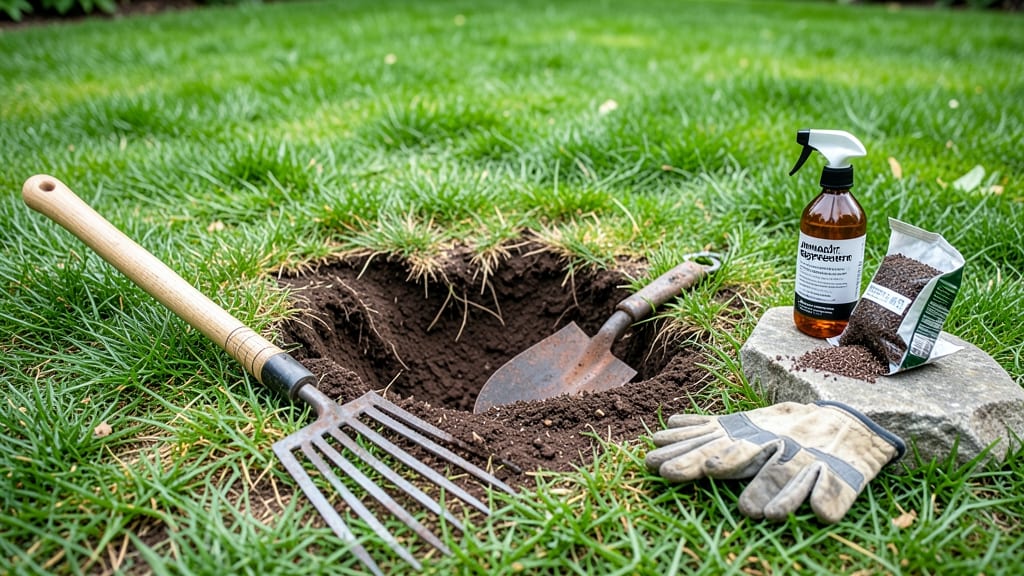
Armadillo holes in your lawn aren’t just unsightly—they’re a fast way to turn your yard into a bumpy obstacle course. I’ve spent too many mornings tripping over these craters, only to realize they’re not from gophers or moles but from armadillos digging up grubs.
The good news? You can fill them quickly and keep your lawn smooth without harming the critters causing the chaos.
Armadillos dig for grubs and insects, which means they’re actually helping your lawn in a weird way. But their digging leaves behind holes that can grow if you don’t act fast.
The key is to patch them up before rain turns them into muddy pits, while also making your yard less appealing for future digging sessions. Think of it as a two-step process: fix the damage and discourage repeat visits.
With the right materials—a mix of topsoil and sand—you can fill those holes in under an hour. The trick is to tamp the soil down firmly so it doesn’t settle later, and then overseed the area to blend it back into your lawn.
By the time summer rolls around, you’ll barely remember the holes were ever there. The best part? You’re not just repairing the damage; you’re making your lawn healthier for the long run.
This method works for any yard, whether you’re dealing with a few small holes or a full-blown armadillo highway. And since armadillos are protected in many areas, humane deterrence is key—think motion-activated lights or sprinklers instead of traps. Your lawn will stay smooth, and the armadillos will keep digging elsewhere.
The Hidden Triggers Behind Lawn Digging
If your lawn suddenly looks like a lunar landscape, armadillos are likely the culprits. These nocturnal creatures are drawn to your yard for specific reasons—some natural, some avoidable. Understanding why they dig helps you address the root cause and stop future destruction. Let’s break down the science behind their behavior.
Armadillos are omnivorous but prefer protein-rich meals, especially when their natural diet of insects, worms, and grubs is scarce. Your lawn is essentially a buffet for them:
- Grubs and larvae: Armadillos use their powerful claws to flip soil, exposing hidden grubs—especially after rain when they’re near the surface. A single armadillo can consume 40,000 insects per night! If your lawn has a grub problem, they’ll keep returning.
- Ants and termites: Mounds of ants or termite activity signal a food source. Armadillos will rake through these colonies, creating messy holes in the process.
- Decaying organic matter: Compost piles, fallen fruit, or even pet food left outside can attract them. They’ll dig to reach these easy snacks.
Actionable fix: Treat grubs with beneficial nematodes or apply targeted insecticides in early summer. Remove food sources like compost heaps near your lawn.
Armadillos need hydration, and if your yard is the only game in town during droughts, they’ll dig near moisture-rich spots:
- Irrigation leaks: A dripping sprinkler head or broken pipe creates a damp zone that armadillos can’t resist. They’ll dig close to the source to lap up water.
- Low-lying areas: After heavy rain, depressions in your lawn retain water longer. Armadillos will camp out there, digging repeatedly.
- Pet bowls or birdbaths: Even shallow water sources can lure them in, leading to holes near these spots.
Actionable fix:
- 🔧 Check irrigation systems for leaks—repair or adjust sprinklers to avoid overwatering.
- 🌧️ Improve drainage by sloping lawns away from foundations or using French drains.
- 🚰 Remove standing water from birdbaths or pet bowls overnight.
Armadillos are solitary but need safe spaces to rest, especially during extreme weather. Your lawn might offer:
- Undisturbed soil: Loose, soft dirt (like freshly tilled gardens or sandy patches) is easier to dig than compacted lawns. They’ll create burrows for daytime shelter.
- Proximity to cover: If your yard borders wooded areas, fences, or dense shrubs, armadillos see it as a corridor between safe zones. They’ll dig near these edges.
- Warmth retention: Dark soil absorbs heat, making it an attractive spot to burrow during cold nights. Urban or suburban yards often provide this unintended warmth.
Actionable fix:
- 🌿 Reduce hiding spots by trimming tall grass and shrubs near property lines.
- 🏗️ Install a temporary barrier (like hardware cloth) around vulnerable areas if they’re nesting.
- ❄️ Avoid over-fertilizing—rich soil can attract more digging activity.
Armadillos are nocturnal, but their digging peaks during specific times:
| Season | Why They Dig More | Actionable Tip |
|---|---|---|
| 🍂 Fall | Grubs and ants are near the surface as they prepare for winter. Armadillos stock up on food. | Apply grub control in late summer to reduce their food supply. |
| 🌧️ Spring/Rainy Seasons | Soft, wet soil is easy to dig. They also search for mating partners (yes, armadillos do have love lives!). | 💡 Drain excess water and fill holes promptly to discourage repeat visits. |
| ☀️ Summer (Early Morning/Evening) | They avoid peak heat but remain active at dawn/dusk. Dry conditions may drive them to dig near moisture. | 🌡️ Water deeply but infrequently to maintain soil moisture without creating mud. |
Armadillos dig for survival, but their habits can wreak havoc on your lawn. By addressing their food, water, and shelter needs, you can make your yard less appealing—and save your grass from becoming their personal excavation site. 🚜
Quick Fixes for Armadillo Lawn Damage
Armadillos may be cute, but their digging habits can leave your lawn looking like a moon crater field! 🌕🐾 The good news? With the right approach, you can restore your yard to its former glory—fast.
Below, we’ll break down cause-specific fixes and share prevention tips to keep armadillos from turning your lawn into a playground.
Problem: Fresh holes keep appearing because armadillos are still foraging in your yard.
🍳 Block Their Access Points
Armadillos dig for grubs, insects, and moisture—so eliminate their food sources first. - Remove grubs & pests: Apply beneficial nematodes or grub control (like imidacloprid) in early spring or fall.
These kill larvae without harming plants. - Reduce standing water: Fix leaky sprinklers or low spots where water pools. Armadillos love damp soil! - Clear debris: Rake up leaf litter, mulch piles, and wood chips—these hide bugs and attract diggers.
👨🍳 Install Physical Barriers
If armadillos keep returning, make your yard less inviting with: - Chicken wire or hardware cloth: Bury a 12-inch deep barrier (at a 30° angle) around garden beds or high-traffic areas.
Armadillos can’t dig through it! - Rock borders: Lay sharp-edged rocks (like river stones) in a 6-inch band around vulnerable spots. They dislike the texture. - Motion-activated sprinklers: A sudden spray scares them off without chemicals. (Pro tip: 💡 Place them near active dig sites.)
⏰ Relocate Them (Legally!)
If armadillos are frequent visitors, contact a wildlife removal service (check local laws—some states require permits). They’ll safely trap and relocate them to a nature reserve.
Problem: Your lawn has unsightly craters, and you need a fast, durable fix.
🔪 Fill & Compact Properly
- Step 1: Remove loose dirt and debris from the hole.
- Step 2: Fill with topsoil or a soil-sand mix (50/50 ratio) for better drainage.
- Step 3: Tamp down firmly with a garden tamper or heavy board.
Armadillo holes are deep—don’t skip compaction! - Step 4: Reseed or lay sod immediately to prevent erosion.
🌱 Speed Up Recovery with These Tricks
- Use a patch mix: Blend seed, topsoil, and compost for faster germination.
- Water deeply: Keep the area moist for 10–14 days to help roots establish.
- Mulch lightly: A thin layer of straw or grass clippings retains moisture and deters new digging.
Once you’ve filled the holes, keep armadillos from returning with these low-effort strategies:
| Method | How It Works | Ease Level |
|---|---|---|
| Plant armadillo-repelling flora | Marigolds, daffodils, and garlic deter pests (and diggers!). | ⭐⭐⭐⭐ |
| Keep grass short | Armadillos prefer long grass for cover. Mow regularly. | ⭐⭐⭐ |
| Use predator deterrents | Place fake owls or coyote urine (available at garden stores) near dig sites. | ⭐⭐⭐ |
| Secure trash & compost | Armadillos raid bins for food—use lidded containers. | ⭐⭐⭐⭐⭐ |
| Check for other animals | Raccoons and skunks also dig—set humane traps if needed. | ⭐⭐ |
✨ Pro Tip: If armadillos are seasonal visitors, focus on spring/fall prevention—that’s when grubs are most active! A little effort now saves hours of patching later. 🚀
Frequently asked questions
How can I tell if armadillos—not moles or gophers—are digging in my lawn?
Armadillo holes are wider and shallower than mole tunnels (which are narrow, vertical shafts) and lack the mounded dirt typical of gopher activity. Look for 3-6 inch diameter craters with loose, flipped soil—armadillos dig in search of grubs, not to create burrows. You’ll also spot their tracks: five-toed, hand-like prints leading to/from holes.
Will filling armadillo holes make them dig elsewhere in my yard?
Not necessarily! If you only fill holes without addressing the root cause (like grubs or moisture), they’ll return to the same spot. Always combine repairs with prevention: treat grubs, fix leaks, and use deterrents like motion-activated sprinklers. The key is making your lawn less appealing than the neighbor’s.
Are armadillos protected? Can I trap or relocate them myself?
Laws vary by state—some protect armadillos entirely, while others allow trapping with permits. Never use lethal methods or DIY traps (they’re illegal in many areas and inhumane). Instead, contact a licensed wildlife removal service ($100–$200 typically). They’ll relocate the armadillo safely to a suitable habitat.
How long until my repaired lawn looks seamless after filling armadillo holes?
With proper technique (compacted soil + overseeding), repaired areas blend in 4–6 weeks. For faster results, use a sod patch instead of seed—it establishes in 2 weeks. Water deeply 2x daily for the first week to encourage root growth. Patience pays off!
What’s the best time of year to prevent armadillo digging?
Focus on early spring and late summer—these are peak grub seasons when armadillos are most active. Apply grub control in April–May and again in July–August. Also, reduce evening watering in summer to eliminate moisture attractants. Think of it as "armadillo-proofing" your lawn before their digging season ramps up.