
How To
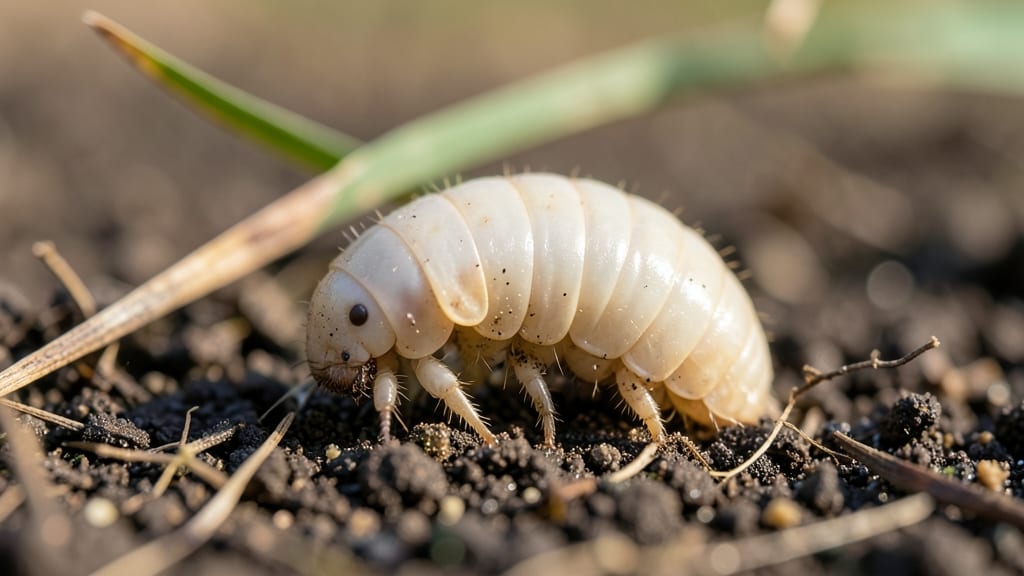
Your lawn’s struggling because how to remove grubs from your lawn is the key to stopping those sneaky pests feasting on roots right under your feet. 🌱 I’ve spent years battling these hidden invaders—Japanese beetle larvae, white grubs, whatever their name—and finally cracked the code for fast, natural removal that actually works.
The secret? Acting before the damage spreads and using the right tools.
Grubs thrive when your lawn is stressed: too much water, thick thatch, or poor drainage gives them the perfect buffet. You’ll spot the signs first—patches of brown, spongy grass that pulls up easily, or birds digging frantically.
The good news? You don’t need harsh chemicals to fix it. A 30-minute treatment with nematodes or milky spore can turn things around.
By the end of this, your lawn will be stronger, healthier, and grub-free—no more patchy spots or wasted water. We’ll cover the exact steps: when to treat, how to apply nematodes, and what to do about those pesky beetles before they lay more eggs. It’s simpler than you think.
This works for any lawn size—backyard, front yard, or even small patches. The secret? Consistency. Once you break the grub cycle, your grass will bounce back faster than ever. Let’s get started!
The Hidden Triggers Behind Grubs
Grubs—those squirming, white larvae—don’t just appear out of nowhere. They’re the result of a perfect storm of environmental factors, human habits, and the natural life cycle of beetles. Understanding why your lawn becomes a grub buffet is the first step to stopping the damage before it starts.
Let’s break down the real culprits behind these underground pests.
Grubs are the larvae of beetles, and the most common offenders are Japanese beetles, June bugs, and chafers.
Here’s how it happens: - Females lay eggs in late spring or early summer, burying them 1–2 inches deep in moist, well-drained soil. - Warmth and moisture trigger hatching—eggs typically emerge in 7–14 days when soil temps hit 60–80°F (15–27°C). - Grubs feed for 4–6 weeks before pupating, meaning they’re most destructive in July through September.
Pro Tip: 🌡️ Check soil moisture—dry conditions slow hatching, but too much water can attract beetles to lay eggs in the first place.
Grubs love soft, nutrient-rich soil—and your lawn maintenance might be inviting them in:
- Excessive watering keeps soil moist longer, creating ideal conditions for egg-laying and grub survival.
- Over-fertilizing with nitrogen (especially in early summer) makes grass grow fast, which grubs love to munch on.
- Thatch buildup (a layer of organic debris between grass and soil) provides protection and food for grubs.
Actionable Fix: ⏰ Adjust your watering schedule—deep, infrequent watering (1–1.5 inches per week) reduces standing water, while fall fertilization (instead of summer) discourages beetle activity.
Healthy grass is resilient, but stressed turf is like an all-you-can-eat buffet for grubs:
- Compacted soil (from foot traffic or heavy equipment) reduces oxygen, making roots weak and easier for grubs to devour.
- Drought stress weakens grass, making it more vulnerable to grub damage.
- Poor drainage leads to anaerobic (low-oxygen) soil, which grubs tolerate better than healthy turf.
Grub Alert: 🚨 If your lawn has brown patches that pull up easily (like a carpet), grubs are likely the culprit.
Beetles don’t just target open lawns—they’re drawn to:
- Shady, moist areas under trees or bushes (ideal egg-laying spots).
- Mulch rings around plants, which retain moisture and organic matter—grub heaven.
- Wildflowers or clover (which beetles mistake for grass and lay eggs near).
Prevention Tip: ✂️ Trim back mulch from the base of plants and reduce shade in high-risk areas to make your lawn less appealing.
Grubs thrive in specific weather conditions:
- Warm, humid summers (like in the Midwest and Northeast) speed up beetle activity.
- Mild winters allow more beetle survivors to reproduce the next year.
- Early spring rains can wake up dormant grubs, leading to a second wave of damage.
Regional Note: 🗺️ If you’re in the South, grubs may be active year-round, while Northern lawns see peaks in July–August.
Sometimes, we accidentally help grubs spread:
- Moving soil or sod (e.g., during landscaping) can transport grub-infested dirt to new areas.
- Using infested compost or mulch from unknown sources introduces eggs to your lawn.
- Ignoring early signs (like bird activity—crows and skunks dig up grubs for snacks!) lets the problem explode.
Quick Fix: 🔍 Inspect soil before gardening—look for tiny white worms or brown, J-shaped larvae before planting.
Quick Fixes for Grub Infestations
Grubs wreaking havoc on your lawn? Don’t panic—these targeted solutions will help you banish them fast while keeping your yard healthy. Below, we’ve matched common causes to the most effective fixes, from DIY remedies to long-term prevention. Let’s get your lawn back in shape!
Before diving in, confirm you’re dealing with grubs (not other pests like chinch bugs or sod webworms). Dig a small patch of turf (about 2x2 inches) and flip it over.
If you see white, C-shaped larvae (1/4 to 1/2 inch long), you’ve got grubs! If the soil is dry or spongy, that’s another clue—grubs love moist conditions.
👨🍳 Handpick & Relocate (Best for Small Infestations)
If your lawn has fewer than 10 grubs per square foot, manual removal is your best bet—it’s free, fast, and chemical-free!
- Wait for the right time: Early morning or late evening when grubs are near the surface (they’re most active after rain).
- Use a trowel or fork to gently loosen the turf in affected areas.
- Flip the sod and pick grubs off by hand (wear gloves if you’re squeamish!). Drop them into a bucket of soapy water to kill them.
- Replace the sod and water lightly to help it settle.
✅ Pro Tip: 💡 Do this in small sections (1–2 sq ft at a time) to avoid damaging the lawn. Repeat every few days until you’ve cleared the area.
🥘 Beneficial Nematodes (Eco-Friendly & Long-Lasting)
For a low-maintenance, natural solution, microscopic beneficial nematodes (like Heterorhabditis bacteriophora) hunt and kill grubs without harming plants, pets, or people.
- Purchase nematodes online or at garden centers (look for brands like NemaSeek or GramoMax).
- Apply in the evening (they’re sensitive to sunlight) when soil temps are 55–85°F.
- Mix with water (follow package instructions—usually 1–2 million nematodes per gallon).
- Water the lawn thoroughly before and after applying to help them move into the soil.
- Reapply every 4–6 weeks during grub season (spring and fall).
✅ Pro Tip: 🌡️ Avoid applying nematodes if temps are above 90°F—they’ll die in the heat!
🔪 Milky Spore (Organic & Preventative)
If grubs are a recurring problem, milky spore (Bacillus popilliae) is a long-term biological control that builds up in your soil over time.
- Purchase milky spore powder (available at garden centers or online).
- Mix with water (1 oz per gallon) and apply to moist soil in affected areas.
- Water lightly after application to help it sink in.
- Reapply annually for the first 2–3 years to establish the bacteria in your lawn.
✅ Pro Tip: ✨ Milky spore works best in warm, moist soil (spring or fall). It may take 1–2 years to fully suppress grub populations, but it’s worth the wait!
🌱 Improve Drainage (Grubs Hate Dry Soil)
Grubs thrive in wet, compacted soil. If your lawn stays soggy, they’ll stick around. Fix drainage issues to make your lawn less inviting:
- Aerate your lawn in early fall to reduce compaction.
- Rake sand or compost into the soil to improve drainage.
- Adjust your watering schedule: Water deeply 2–3 times per week (early morning) instead of daily light sprinkles.
✅ Pro Tip: 🎯 A thick, healthy lawn (3+ inches tall) naturally resists grubs because they struggle to feed through dense grass roots.
🍂 Overseed & Strengthen Grass
A lush, dense lawn gives grubs less access to roots. Overseed bare or thin patches in early fall with grub-resistant grasses like:
- Tall fescue
- Perennial ryegrass
- Kentucky bluegrass
How to overseed:
- Mow low (1–1.5 inches) and rake to loosen soil.
- Spread grass seed (use a broadcast spreader for even coverage).
- Cover lightly with compost or peat moss (no more than ¼ inch).
- Water gently to keep soil moist until germination (about 2–3 weeks).
✅ Pro Tip: 💡 Add a starter fertilizer (low nitrogen, high phosphorus) to help new grass establish quickly.
If your lawn has large patches dying (more than 20% affected) or grubs persist after natural methods, consider targeted chemical treatments—but use them last resort and follow label instructions carefully.
- Imidacloprid (Merit) – A systemic insecticide that works well for grubs.
- Chlorantraniliprole (Scotts GrubEx) – A newer, effective option with lower toxicity.
- Carbaryl (Sevin) – A fast-acting but more toxic choice (use sparingly).
⚠️ Warning: 🚫 Chemicals can harm bees, earthworms, and beneficial insects. Always apply early morning or late evening and avoid overspraying.
Once you’ve kicked grubs out, stop them from moving in with these long-term strategies:
| Prevention Tip | How to Do It |
|---|---|
| 🌿 Maintain healthy grass | Mow high (3–4 inches), fertilize properly, and water deeply but infrequently. |
| 🐛 Encourage predators | Attract birds, toads, and ground beetles by keeping a natural yard. |
| 🌱 Plant grub-resistant grasses | Choose tall fescue or buffalo grass over weak varieties like bentgrass. |
| 🕳️ Reduce thatch buildup | Dethatch annually to disrupt grub habitats. |
| 🍄 Use neem oil (optional) | Spray neem oil in early spring to deter adult Japanese beetles (grub parents). |
Final Thought: Grubs don’t stand a chance against a well-prepared, healthy lawn! Combine manual removal, natural predators, and smart lawn care, and you’ll keep your grass green, strong, and grub-free for good. 🌱💪
Frequently asked questions
Why do grubs suddenly appear in my lawn?
Grubs are the larvae of beetles like Japanese beetles or June bugs. They hatch in late spring to early summer when soil is warm and moist. Adult beetles lay eggs 1-2 inches deep in turf, and the larvae feed on roots for 4-6 weeks before pupating. Overwatering or thick thatch creates perfect conditions for them to thrive.
How do I know if my lawn damage is from grubs?
Look for these signs: brown patches that pull up easily (like a carpet), spongy turf when stepped on, or birds/skunks digging in your yard. Flip a small sod patch—if you see white, C-shaped larvae (1/4-1/2 inch long), it's grubs. They're most active in July-September.
Can I use vinegar or salt to kill grubs?
No, vinegar and salt are too harsh for lawns. Vinegar burns grass blades, while salt disrupts soil chemistry and harms beneficial organisms. For grubs, use beneficial nematodes or milky spore—they target grubs without damaging your lawn. Always choose eco-friendly methods first!
How long does it take for nematodes to work?
Beneficial nematodes start killing grubs within 24-48 hours of application, but you'll see full results in 2-4 weeks. They work best when soil temps are 55-85°F and applied in the evening. Reapply every 4-6 weeks during grub season for best protection.
Will milky spore work the first year?
Milky spore takes 1-2 years to establish in your soil. While it may reduce grub populations slightly in the first year, its full preventive power builds up over time. Apply annually for the first 2-3 years to create lasting protection against Japanese beetle larvae. Patience pays off!