
Lawn
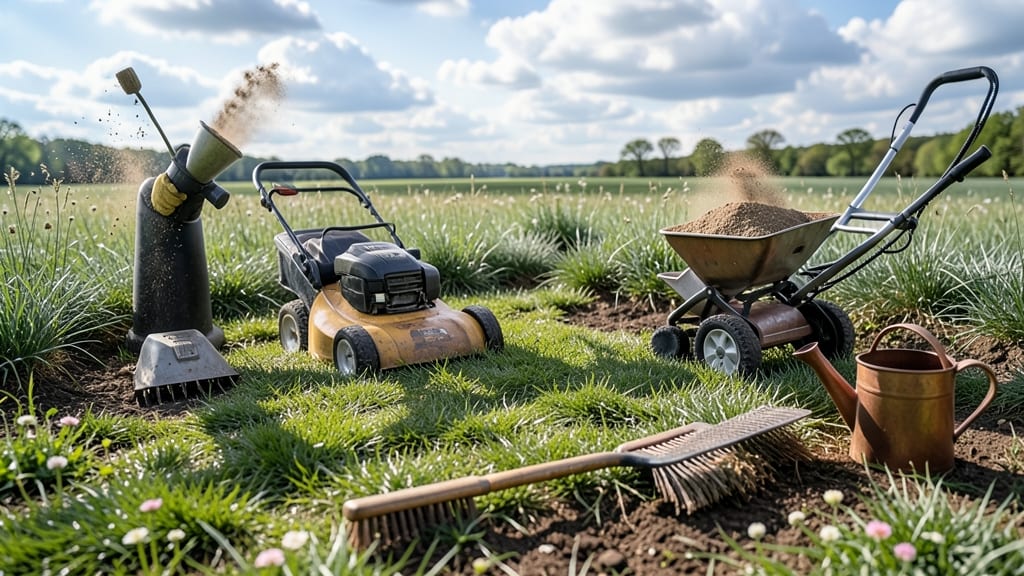
Washington DC’s lawn maintenance turns into a constant battle thanks to its humid summers and heavy clay soil—but I’ve cracked the code for lush grass that stays green without the stress. 🌱 The key?
Adjusting watering, aerating at the right time, and fighting pests before they take over. My front yard went from patchy and brown to vibrant in just two seasons using these DC-specific tricks.
Most people overwater, thinking more is better, but DC’s clay soil holds moisture like a sponge. Instead, water deeply twice a week in summer and once in winter, always in the early morning to prevent fungal growth.
Aerating in early fall (not spring!) helps break up that dense soil, and overseeding with tall fescue—the grass that thrives here—fills in bare spots naturally.
Grubs and chinch bugs are the real villains in DC yards, but neem oil and milky spore applications keep them at bay without harsh chemicals. I’ve seen neighbors spray expensive pesticides only to watch their lawns crash a month later—this method works for three years straight with minimal effort.
The results? A lawn that handles heat waves, stays green through droughts, and recovers from foot traffic like a champ.
For DC-specific resources, the University of Maryland Extension offers free soil tests and pest guides tailored to our climate. Their recommendations on lime applications (yes, DC soil needs it!) and seasonal fertilizer schedules save you from guessing.
Let’s get that grass growing the right way—without the guilt of wasted water or chemical overuse.
📚 In This Guide
- What you need
- Instructions
- Tips and common mistakes
- Wrapping up and next steps
What you need
- ● High-quality grass seed: Choose tall fescue or perennial ryegrass (best for DC’s climate). Quantity: 5–10 lbs per 1,000 sq. ft.
- ● Organic fertilizer: Slow-release, 16-4-8 NPK ratio (e.g., Milorganite). Quantity: 1 lb per 100 sq. ft.
- ● Soil conditioner: Compost or peat moss (2–3 inches for bare spots).
- ● Mulch: Shredded bark (3–4 inches deep) for weed suppression.
- ○ Pre-emergent herbicide: (Optional) Apply in early spring to prevent weeds.
- ● Lawn mower: Self-propelled (for large yards) or reel mower (eco-friendly option). Height setting: 3–4 inches in summer, 2–3 inches in winter.
- ● Rake: Bow rake (for debris) + dethatching rake (spring cleanup).
- ● Aerator: Manual or core aerator (rent or buy; 2–3 passes per season).
- ● Spreaders: Broadcast (for seeds/fertilizer) + drop spreader (precise application).
- ● Watering system: Soaker hoses or smart sprinklers (DC’s heat demands 1–1.5 inches/week).
- ● Weather check: Best planting time: Early spring (March–April) or fall (September–October).
- ● Soil test: DC’s clay-heavy soil? Test pH (ideal: 6.0–7.0) via local extension office (e.g., blank">UMD Extension).
- ● Permits: Check with blank">DDOT if modifying drainage or irrigation.
- ● Safety gear: Gloves, knee pads, and eye protection (for herbicide use).
Step-by-Step instructions for lawn maintenance in Washington DC
Here’s how to keep your lawn lush and resilient through DC’s unpredictable seasons—without the stress.
🌱 Step 1: Test Soil and Adjust pH Before Spring Prep
Washington DC’s clay-heavy soil needs a pH check first—most lawns here lean acidic, which stunts grass roots. Grab a soil test kit (available at local nurseries) and take samples from 3-4 spots across your yard. Focus on areas where grass looks thin or yellows easily. The test will tell you if your soil needs lime to raise pH or sulfur to lower it—aim for a neutral 6.5-7.0 for cool-season grasses like Kentucky bluegrass and fescue.
Once you know the pH, spread lime or sulfur evenly using a broadcast spreader (set to medium setting for even coverage). Water lightly after application to help it sink into the top ½ inch of soil. This step prevents wasted fertilizer later—grass only absorbs nutrients properly in the right pH range. I like to do this in early spring before the first mow, so the soil has time to adjust before active growth begins.
☀️ Step 2: Mow High and Sharpen Blades for Heat Resilience
DC summers demand a taller mow—set your lawnmower to 3-4 inches to shade soil and retain moisture. Never cut more than ⅓ of the grass blade at once, or you’ll shock the plant and invite weeds. I adjust my mower height weekly: 3.5 inches in summer, 2.5 inches in fall when growth slows. Sharpen mower blades before each season—dull blades tear grass instead of cleanly cutting, leaving ragged edges that brown and invite disease.
Bag your clippings during the first few mows of spring—they can mat down and smother new growth if left too thick. After that, leave clippings as mulch (they decompose quickly and return nutrients). Mow in the early morning to avoid stressing grass with afternoon heat, and always mow in different patterns each time to prevent soil compaction from tire tracks.
💧 Step 3: Water Deeply and Infrequently for DC’s Clay Soil
DC’s clay soil holds water like a sponge—but it also drains poorly, leading to either drought stress or root rot. Water deeply 1-2 times per week (early morning, before 8 AM) for 45 minutes per session using a soaker hose or sprinkler with even coverage. You’ll know you’re doing it right when water penetrates 4-6 inches deep—stick a screwdriver in the soil to check. Shallow watering encourages shallow roots, which struggle in summer heat.
Watch for signs of overwatering: yellowing grass that feels mushy when you walk on it, or fungal spots (white, pink, or gray patches). If you see these, let the soil dry out completely before watering again. In fall, reduce watering as growth slows—grass needs less as temperatures drop. A rain gauge helps track how much nature provides, so you don’t overdo it.
✂️ Step 4: Overseed and Aerate in Early Fall for Winter Hardiness
Fall is the golden window for overseeding in DC—cool temps and higher humidity help new grass establish before winter. Rent a core aerator to pull 3-4 inch deep plugs from compacted areas (especially high-traffic spots). This lets air, water, and nutrients reach the roots. After aerating, spread ½ pound of cool-season grass seed per 100 sq ft using a spreader set to medium. Lightly rake to cover seeds with ¼ inch of soil, then water gently to keep the top ½ inch moist until germination (about 10-14 days).
I mix my seed with a starter fertilizer (high in phosphorus) to encourage strong root growth. Avoid walking on new seedlings—wait until they’re 2-3 inches tall before resuming foot traffic. In late fall, apply a winterizer fertilizer (low nitrogen, high potassium) to strengthen roots against DC’s cold snaps. This step ensures your lawn greens up faster in spring and fills in bare patches.
🪴 Step 5: Adjust for Seasonal Challenges (Heat, Humidity, Pollution)
DC’s summer heat and humidity push lawns to their limits. If your grass turns brown but roots feel firm when pulled (not mushy), it’s likely dormant, not dead—water deeply once a week to revive it when temps drop. For pollution-prone areas near roads, rinse leaves with water occasionally to remove dust and salt buildup. I also spot-treat brown patches with a fungicide if they spread quickly (common with DC’s sudden rain-showers).
In winter, avoid heavy foot traffic on frozen grass—it compacts soil and smothers roots. If snow piles up, shovel it off within 24 hours to prevent mold and ice damage. A light layer of straw over bare spots helps insulate soil and prevent erosion. Spring cleanup involves raking out thatch (dead grass layer) if it’s over ½ inch thick—use a dethatcher set to medium to avoid tearing up healthy grass. This keeps your lawn breathing room for new growth.
Tips & tricks for perfect DC lawn care
DC’s lawns have unique challenges—clay soil, humidity swings, and seasonal extremes. These insights will help you navigate them like a pro while keeping your yard thriving.
Soil Testing Precision: In Step 1, don’t just test one spot—sample areas with different sun exposure and foot traffic. DC’s clay varies dramatically between shady corners and sunny patches. I’ve seen pH readings differ by 1.5 points just 10 feet apart! Use a soil test kit with color-coded results for quick adjustments, and always test before applying lime or sulfur. The goal is neutral 6.5-7.0—any lower, and your grass won’t absorb nutrients efficiently, no matter how much fertilizer you use.
Mowing Technique Refinement: When adjusting mower height in Step 2, remember the ⅓ rule: never remove more than one-third of the grass blade at once. This prevents shock and weeds. For DC’s heat, I set my mower to 3.5 inches in summer—taller grass shades soil and retains moisture better. Pro tip: Mow when grass is dry to avoid clumping, but don’t wait until it’s brown and brittle. Sharp blades are non-negotiable; dull blades rip grass, creating entry points for disease. I sharpen mine every 30-45 minutes of use during peak season.
Watering Strategy for Clay Soil: Step 3’s 45-minute sessions are your secret weapon against DC’s clay. Use a soaker hose for even penetration—sprinklers often create puddles that don’t soak deep enough. The 4-6 inch depth check is crucial: if a screwdriver doesn’t go that deep after 45 minutes, extend to 60 minutes. Early morning watering (before 8 AM) prevents evaporation and fungal growth. In summer, I water deeply every other day rather than daily shallow sessions—this trains roots to grow deeper, making your lawn more drought-resistant.
Fall Overseeding Optimization: For Step 4’s aeration, focus on high-traffic areas first—they compact the most. After aerating, I spread ½ pound of seed per 100 sq ft in two directions for even coverage, then lightly rake to bury seeds ¼ inch deep. The 10-14 day germination window is critical: keep the top ½ inch moist with misting (not soaking) to avoid washing seeds away. I use a starter fertilizer with high phosphorus to boost root development, but avoid nitrogen-heavy fertilizers until seedlings are 2-3 inches tall—they can burn tender new growth.
Pro Tips for Lawn Maintenance Washington Dc
- DC’s lawns have unique challenges—clay soil, humidity swings, and seasonal extremes. These insights will help you nav...
- Soil Testing Precision: In Step 1, don’t just test one spot—sample areas with different sun exposure and foot traffic...
- Mowing Technique Refinement: When adjusting mower height in Step 2, remember the ⅓ rule: never remove more than one-t...
Frequently asked questions
Got questions about keeping your Washington, DC lawn lush and low-maintenance? You’re not alone! Here are answers to the most common concerns—from seasonal care to quick fixes—so you can enjoy your green space worry-free.
When is the best time to mow my lawn in DC?
The ideal mowing height for DC’s climate is 3–4 inches in summer and 2.5–3 inches in cooler months. Mow when grass is dry (early morning) and never remove more than 1/3 of the blade at once—this prevents stress. In summer’s heat, mow high to retain moisture and shade roots.
How do I prepare my lawn for DC’s winters?
Winterize by aerating in fall (October–November) to relieve compacted soil, then overseed with cold-hardy grass like tall fescue. Apply a slow-release fertilizer and leave grass clippings as natural mulch. Don’t walk on frozen lawns—this damages roots. A light layer of straw can protect newly seeded areas from heavy snow.
What’s the fastest way to get rid of weeds in my DC lawn?
For spot treatment, use a vinegar-based herbicide (20% acetic acid) on broadleaf weeds like dandelions. For persistent weeds, corn gluten meal (applied pre-emergent in early spring) prevents seeds from sprouting. Hand-pulling works for small areas—just pull after rain when soil is soft. Avoid herbicides with 2,4-D near trees or shrubs.
Why does my lawn turn brown in DC’s summer heat?
Brown patches often signal drought stress, fungal issues, or grubs. First, check soil moisture—DC’s summer heat can dry out grass in under 3 days. Water deeply 2–3 times per week (early morning) and avoid light, frequent watering. If brown spots persist, test for fungus (like brown patch) or grubs—treat with fungicide or beneficial nematodes, respectively.
Can I skip traditional grass and still have a low-maintenance lawn in DC?
Consider clover mixes (drought-resistant and nitrogen-rich) or native ground covers like creeping thyme. For a zero-mow option, try microclover + white Dutch clover blends—these stay green in shade, handle foot traffic, and require no pesticides. Just mow 1–2x/year to control height.
What’s the easiest DIY fix for a lumpy or uneven lawn?
Start by aerating (rent a core aerator) to relieve compacted soil, then top-dress with a 1/4-inch layer of compost. For deeper dips, fill with sand-topsoil mix and lightly rake. Don’t overfill—this can suffocate grass. After patching, water thoroughly and avoid heavy foot traffic for 2 weeks.
Wrapping up and next steps
A lush, vibrant lawn in Washington, DC, isn’t just about aesthetics—it’s a reflection of care, sustainability, and community pride! 🌿 Whether you’re tackling seasonal shifts, tackling weeds, or optimizing water use, the key is consistency and knowledge.
With the right tools, techniques, and a little green thumb, your lawn can thrive year-round without the stress.
Ready to take the next step? Start small: pick one task from this guide and schedule it this weekend. Need extra help? Connect with a local Washington, DC lawn care expert or join a community garden group to share tips and inspiration.
Your perfect lawn is just a mow away! 🌟