
Plants
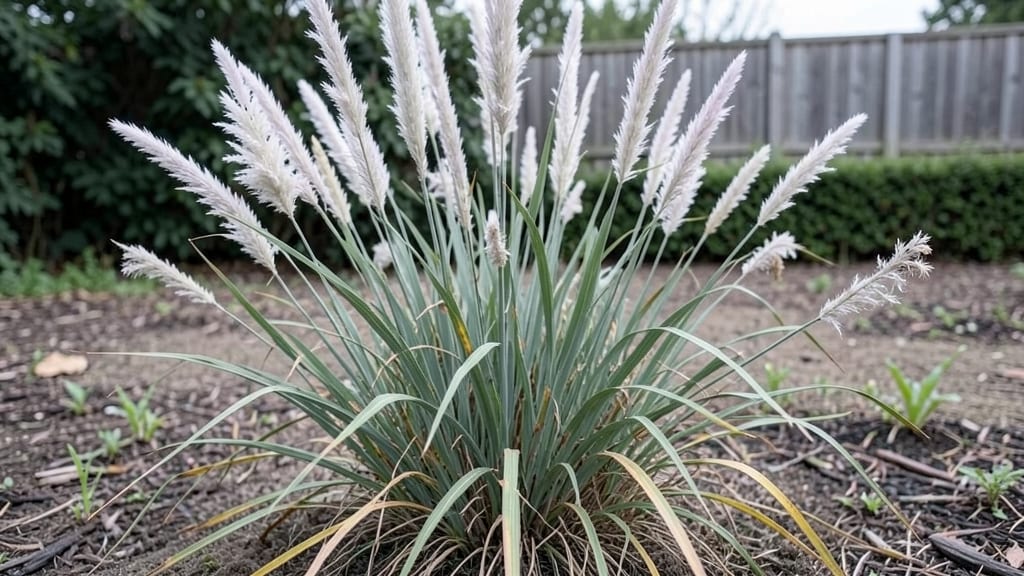
Growing short pampas grass 🌿 means adding drama to your yard without the fuss of constant pruning or watering.
Tired of high-maintenance plants that wilt under drought or struggle in harsh climates? This compact variety thrives in USDA Zone 6a and beyond, with feathery plumes that stay lush even when other plants beg for water.
Unlike its towering cousins, this dwarf version stays manageable—perfect for borders, containers, or small spaces where you want texture without sacrificing style.
Below, I’ll walk you through planting, pruning, and keeping it looking sharp year-round, so you can enjoy its effortless beauty without the headache.
Why short pampas grass thrives in drought-prone and harsh climates
If you're searching for a drought-resistant plant that demands minimal care but delivers maximum impact, short pampas grass (Cortaderia selloana 'Pumila') is your answer.
This ornamental grass evolved in South American grasslands, where it faced scorching sun, dry winds, and poor soils—making it perfectly adapted to arid climates and urban heat islands.
Unlike fussy perennials, it thrives with little water, poor soil, and intense sunlight, while still looking effortlessly elegant.
Its secret lies in a deep, fibrous root system that extends 3-5 feet underground, accessing moisture and nutrients even in dry, rocky soil. These roots also anchor the plant firmly, helping it withstand strong coastal winds and urban pollution.
Plus, its silver-white plumes reflect sunlight, reducing heat absorption—a natural cooling trick that keeps the plant cool and hydrated during peak summer months.
The comparison table below breaks down how short pampas grass outperforms other drought-tolerant plants in harsh conditions, from water needs to soil adaptability. This makes it ideal for xeric landscapes, mediterranean climates, and even salt-sprayed coastal gardens.
<comparison-table>| Factor | Short Pampas Grass | Lavender | Yucca |
|---|---|---|---|
| Water Needs | Deep soak every 10-14 days | Moderate weekly watering | Deep soak every 2 weeks |
| Soil Tolerance | Poor to sandy, alkaline, or clay | Well-draining, slightly alkaline | Dry, rocky, or sandy |
| Sunlight Needs | Full sun (6+ hours) | Full sun to part shade | Full sun |
| Wind Resistance | Excellent (deep roots) | Moderate (needs shelter) | High (rigid stems) |
| Salt Tolerance | High (coastal-friendly) | Low (avoid salt spray) | Moderate (tolerates some salt) |
| Maintenance Level | Very low (prune once/year) | Low (deadhead seasonally) | Low (remove dead leaves) |
One of the most impressive features of short pampas grass is its water retention strategy. Its silver-blue foliage has a waxy cuticle that reduces water loss through transpiration, while the compact growth habit of dwarf varieties minimizes surface area exposed to drying winds.
Even in 100°F heat, this plant stays lush because it’s biologically adapted to conserve moisture—unlike many ornamental grasses that bolt or dry out under stress.
For urban gardeners, short pampas grass is a game-changer. It thrives in heat islands where pavement and buildings trap heat, creating microclimates that would kill weaker plants. Its tall, feathery plumes also improve air circulation, reducing the "urban heat dome" effect around your home.
Plus, because it’s non-invasive (unlike its taller cousins), it won’t spread into your lawn or neighbor’s yard—just stay put and flourish.
In coastal areas, where salt spray and sandy soil challenge most plants, short pampas grass excels. Its salt tolerance makes it perfect for seaside gardens, where other drought-lovers like lavender or rosemary would struggle.
Just avoid planting too close to the shoreline—the roots still prefer some shelter from direct ocean winds. A slightly elevated spot with well-draining soil is ideal for coastal installations.
Seasonal care is minimal, but a few pro tips ensure long-term success.
In spring, focus on removing dead plumes to encourage fresh growth, while in fall, a light mulch (like straw or gravel) helps retain moisture during cooler months. Never overwater—this plant’s root system will rot if kept soggy.
Instead, water deeply but infrequently, mimicking natural rainfall patterns in its native habitat.
If you’re dealing with clay soil or compacted urban dirt, don’t let that stop
Best practices for planting and pruning short pampas grass for maximum impact
Short pampas grass (Cortaderia selloana 'Pumila') is a showstopper in any landscape, but its success depends on proper planting techniques and seasonal pruning. Unlike its towering cousins, this compact variety stays manageable while delivering dramatic silver-white plumes.
To unlock its full potential, focus on sun exposure, soil prep, and timely maintenance—all while avoiding common pitfalls that lead to leggy growth or weak stems.
Start by selecting a south-facing location with at least 6 hours of direct sunlight daily. Short pampas grass craves full sun to produce its signature fluffy plumes, but it also benefits from light afternoon shade in USDA Zones 8-10 to prevent heat stress.
If planting in windy areas, position it near a natural windbreak (like shrubs or fences) to prevent stem damage—a common issue with its delicate plumes.
⚠️
Short pampas grass hates soggy roots, which can cause root rot and stunt growth. If your soil drains poorly, amend it with coarse sand or perlite to create well-draining conditions. Test your soil’s pH—ideal levels are 6.0-7.5. Overly acidic or alkaline soil weakens the plant’s disease resistance, making it susceptible to fungal infections like rust or powdery mildew.
When planting, dig a hole twice as wide as the root ball but only as deep as the container’s base. Space plants 3-5 feet apart to allow airflow and prevent crowding, which encourages pests like spider mites.
Mix the excavated soil with compost (20-30%) to boost fertility without overwhelming the plant. Water deeply after planting to eliminate air pockets and encourage root establishment—this is critical for drought tolerance in the long run.
Pruning short pampas grass is all about timing and technique. In late winter or early spring (before new growth begins), cut back dead or brown plumes to the ground using clean, sharp pruners.
Avoid pruning in fall, as the plant relies on old plumes for winter protection.
If your plant becomes overgrown, trim selective stems in early summer to maintain shape, but never cut more than one-third of the foliage at once—this stresses the plant and reduces floral display the following season.
To keep your short pampas grass looking its best, fertilize lightly in spring with a balanced 10-10-10 formula (1 tablespoon per plant). Skip fertilization in fall and winter, as the plant enters dormancy.
Mulch around the base with 2-3 inches of organic mulch (like pine straw or shredded bark) to retain moisture, suppress weeds, and regulate soil temperature. Just be sure to keep mulch 6 inches away from the plant’s crown to prevent rot.
Watch for signs of stress, like yellowing leaves or drooping plumes, which may indicate overwatering or nutrient deficiencies. If pests like scale insects appear, treat with neem oil or insecticidal soap—avoid harsh chemicals, as they can harm beneficial insects and disrupt the plant’s natural resilience.
With the right care, your short pampas grass will reward you with year-round interest and minimal effort!