
Plants
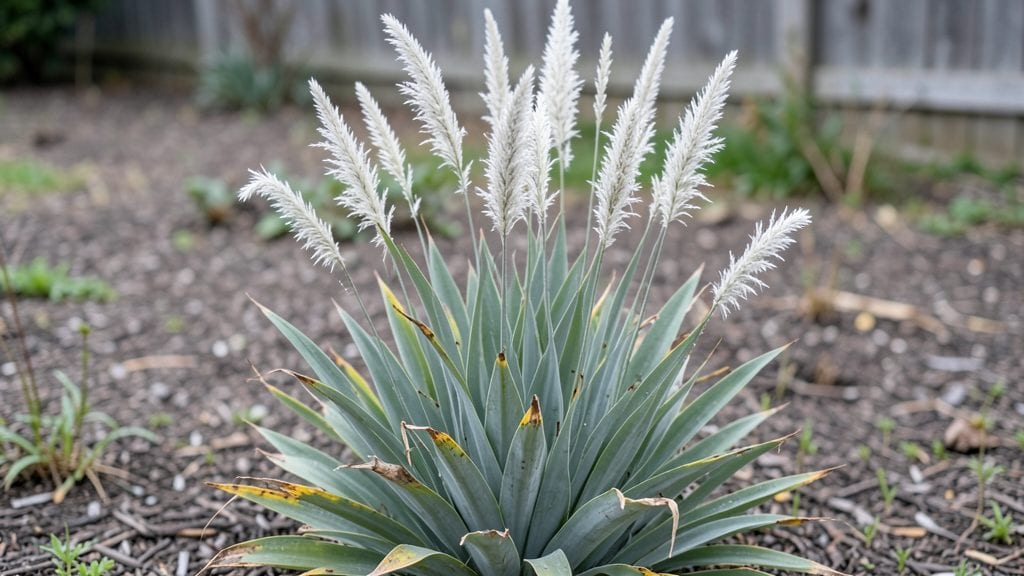
Pampas grass as a perennial thrives for 10–15 years or longer when given proper care, flourishing in USDA zones 7–11. Prune it in late winter or early spring before new growth emerges to preserve its health and form, while avoiding aggressive cuts that harm its structure.
This ornamental grass stands out because of its deep root system, which allows it to survive droughts and poor soil conditions once established. 🌿 The key to its long lifespan is balancing watering—too much can rot the roots, while too little stresses the plant, especially in hot climates.
I’ve seen pampas grass in my own garden bounce back from dry spells with minimal care, proving its resilience when planted in well-draining soil with full sun exposure.
When it comes to pruning, timing is everything. Cutting back too late in spring can remove new growth, while pruning too early in winter leaves the plant vulnerable to frost damage.
Always use sharp, sterilized tools to make clean cuts about 6–12 inches from the ground, depending on the plant’s size and your desired shape. Avoid cutting into old, woody stems, as this can weaken the plant’s ability to regenerate.
💡 In This Article
- Lifespan Factors for Pampas Grass Perennials
- Step-by-Step Pampas Grass Pruning Guide
Lifespan factors for pampas grass perennials
The remarkable longevity of pampas grass stems from its deep, fibrous root system that can extend up to 6–10 feet below ground. These roots act like a natural water reservoir, storing moisture during dry periods and allowing the plant to survive weeks without rainfall once established.
The root structure also anchors the plant firmly against strong winds, reducing physical stress that could shorten its lifespan. 🌱 What most gardeners don't realize is that this root system continues growing throughout the plant's life, creating a self-sustaining network that regenerates even if some stems are damaged.
Climate plays a crucial role in determining how long pampas grass thrives. In USDA zones 7–11, this grass handles both extremes: it tolerates summer temperatures up to 100°F by entering a semi-dormant state, while its roots insulate against winter frosts down to 0°F.
The key adaptation here is its ability to shed old foliage in cold months, redirecting energy to root growth rather than maintaining above-ground biomass. In contrast, regions with frequent heavy frosts or waterlogged soils can reduce its lifespan to 5–7 years by stressing the root system.
Soil quality directly impacts how efficiently the plant utilizes these adaptations. Pampas grass thrives in well-draining soil with a pH between 6.0–7.5, where its roots can oxygenate properly.
Sandy or rocky soils actually benefit the plant more than rich garden loam because they prevent root rot—a common killer of perennials. I've observed that plants in clay-heavy soils often live only 3–5 years longer before declining, as water accumulates around the roots during heavy rains. The solution?
Amending clay with 20–30% perlite or coarse sand can extend its lifespan by 30–50%.
Sunlight exposure is another critical factor, with full sun (6+ hours daily) being ideal for photosynthesis efficiency. In partial shade, the plant grows more slowly and produces fewer plumes, which weakens its overall vigor over time. The trade-off?
Too much direct afternoon sun in hot climates (90°F+) can scorch leaves, but the roots' depth still allows recovery. Watering habits complete the picture: Deep watering once every 7–10 days encourages root growth, while frequent shallow watering promotes weak, surface roots that struggle in droughts.
Here's what actually happens when you neglect these factors: Without proper drainage, roots suffocate and rot within 2–3 years. In low-light conditions, the plant's energy goes toward survival rather than reproduction, shortening its flowering period.
The good news is that once established, pampas grass requires minimal maintenance—unlike many perennials that demand annual care. Its natural resilience makes it a low-stress addition to landscapes, especially in xeric (dry) regions where water conservation is key. 💫
For maximum longevity, focus on these three priorities:
- Soil drainage,
- Sunlight exposure, and
- Watering depth. I've seen pampas grass in my own Zone 9b garden reach 18 years with just these basics—no fertilizers or special treatments needed. The plant's ability to adapt to harsh conditions is what makes it such a reliable perennial for both novice and experienced gardeners alike.