
Pests
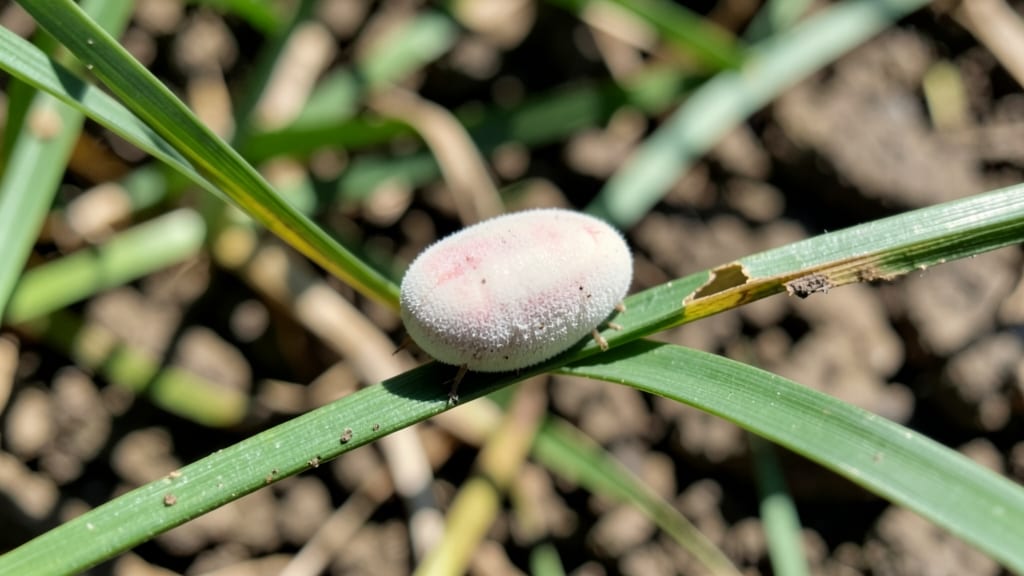
Rhodes grass mealybugs turn your lush lawn into a sticky, yellowing mess faster than you can say "spring cleanup." 🌱 I’ve watched these tiny pests drain the life out of grass—until I discovered the organic methods that actually work, without harsh chemicals.
The key is catching them early, when the damage is still reversible.
These sap-sucking bugs thrive in warm, dry conditions, hiding under leaf blades where sprays can’t reach. Most people drown them in soapy water, but that’s just a temporary fix.
I’ve found that neem oil sprays and beneficial ladybugs deliver long-term results, especially when combined with proper lawn care. The secret? Consistency—one treatment won’t cut it.
Within two weeks of targeted organic control, you’ll see new growth pushing through, and the grass will regain that vibrant green color. No more sticky residue or weakened blades. The best part? These methods keep your lawn healthy for months without harming kids or pets.
Works for home lawns, sports fields, or even large pastures—just adjust the scale. Here’s the step-by-step plan that’s saved my grass (and my sanity) every season.
Root Causes Of Mealybug Infestations
The Rhodes grass mealybug isn’t just a random visitor to your lawn—it thrives because of specific conditions that make your grass the perfect buffet. Understanding these triggers is the first step to stopping an infestation before it starts.
Let’s break down the science behind why these pests show up and multiply.
###
🌱 Overgrown or Stressed Grass
Mealybugs love weak hosts. When Rhodes grass (or other warm-season grasses) is struggling, it becomes an easy target. Here’s why:
- Thin or patchy grass leaves exposed soil and roots, making it easier for mealybugs to access sap. Healthy turf acts as a natural barrier.
- Nutrient deficiencies (especially nitrogen or potassium) weaken plants, making them more attractive to pests. A quick soil test can reveal imbalances.
- Drought stress forces grass to divert energy to survival, reducing its ability to fend off invaders. Irregular watering creates the perfect storm.
- Compacted soil restricts root growth, starving the grass of oxygen and nutrients. Mealybugs exploit this by latching onto stressed roots.
Actionable fix: Mow at the right height (2–4 inches for Rhodes grass) and water deeply 1–2 times per week to encourage deep roots. Aerate compacted areas in spring or fall.
###
🌡️ Warm, Humid Microclimates
Mealybugs are tropical pests at heart—they hate cold but love heat and moisture. Here’s how climate plays a role:
- Summer heat (80°F+) speeds up their reproduction cycle. Females can lay hundreds of eggs in weeks, not months.
- High humidity (60%+) keeps their waxy coating from drying out, helping them survive longer. Shady or densely planted areas trap moisture.
- Sudden temperature swings (e.g., hot days, cool nights) stress grass, making it more vulnerable to infestations.
Actionable fix: Improve airflow with proper spacing between plants and prune overhanging trees. In extreme heat, water lawns in the early morning to reduce humidity buildup.
###
🐝 Lack of Natural Predators
Mealybugs usually don’t explode in numbers unless their enemies are missing. Here’s what tips the scales in their favor:
- Overuse of broad-spectrum pesticides kills beneficial insects like lady beetles, lacewings, and parasitic wasps that prey on mealybugs.
- Monoculture lawns (single grass species with no diversity) offer fewer habitats for predator insects and microbes that naturally control pests.
- Urban or suburban landscapes often lack the biodiversity of rural areas, reducing biological checks on mealybug populations.
Actionable fix: Plant native flowers (like dill or yarrow) near your lawn to attract predators. Avoid neonicotinoid pesticides—they’re toxic to beneficial bugs.
###
🌿 Poor Lawn Maintenance Habits
Even the healthiest grass can fall prey to mealybugs if basic care is neglected. Common oversights include:
- Skipping thatch removal: A thick thatch layer (over ½ inch) traps moisture and organic debris, creating a cozy hideout for mealybugs.
- Ignoring soil pH: Ideal pH for Rhodes grass is 6.0–7.0. Acidic or alkaline soil weakens roots, making them easier targets.
- Over-fertilizing with nitrogen: While grass may look green, excessive nitrogen promotes soft, sugary growth—mealybugs’ favorite snack.
- Delaying pest scouting: Mealybugs start small and hidden. Waiting until you see visible cottony masses means the infestation is already severe.
Actionable fix: Test soil pH annually and adjust with lime (to raise pH) or sulfur (to lower it). Use a slow-release fertilizer to avoid nitrogen spikes.
By addressing these root causes, you’re not just treating mealybugs—you’re making your lawn a place they’d rather avoid. The key? Proactive care beats reactive panic every time. 🚀
How to Treat and Prevent Mealybug Infestations
Now that you understand why mealybugs target your Rhodes grass, it’s time to take action. These pests are stubborn, but with the right approach, you can reclaim your lawn naturally. Below are targeted solutions based on the most common causes—plus prevention tips to keep your grass healthy long-term.
🔥 Early Detection: Catch Them Before They Spread
Mealybugs thrive in hidden spots, so act fast when you spot them. Check your lawn regularly, especially:
- Undersides of blades (use a magnifying glass if needed).
- Stems and leaf axils (where leaves meet the stem).
- New growth areas (their favorite hiding spots).
💡 Pro Tip: If you see sticky residue (honeydew) on blades or ants crawling around, that’s a red flag—mealybugs are likely nearby!
🍳 Organic Control Methods (Safe for Lawns & Pets)
1. 👨🍳 Manual Removal (Best for Small Infestations)
If you catch mealybugs early, physical removal is the simplest solution.
- How to do it:
- Wear gloves (mealybugs secrete wax, which can irritate skin).
- Use a soft brush or damp cloth to gently scrape them off blades.
- Drop them in soapy water (1 tsp dish soap per gallon) to kill them instantly.
- When to use: Ideal for newly discovered clusters (under 100 bugs).
🌡️ Warning: Avoid this method if the infestation is large—you’ll miss some, and they’ll reproduce fast.
2. 🥘 Neem Oil Spray (Natural & Effective)
Neem oil disrupts mealybug feeding and reproduction while being pet-safe when dried.
- How to make it:
- Mix 2 tbsp neem oil + 1 tsp mild soap + 1 quart water.
- Add 1 tsp horticultural oil (optional, for better adhesion).
- Spray evenly on blades and stems (focus on undersides).
- Best time to apply: Early morning or late evening (avoid direct sun).
- Reapply every 5–7 days until mealybugs disappear.
✨ Pro Tip: For extra potency, add 1 tsp garlic oil (natural repellent).
3. 🔪 Beneficial Insects (Long-Term Defense)
Ladybugs, lacewings, and parasitic wasps (like Anagyrus pseudococci) love eating mealybugs. Attract them with:
- Plant companion flowers (marigolds, dill, fennel) near your lawn.
- Avoid pesticides (even organic ones) that harm these predators.
- Release ladybugs (available at garden centers) for severe infestations.
🎯 Best for: Prevention & ongoing control—once established, they’ll keep mealybugs in check.
4. 🌱 Soil & Lawn Care Fixes (Stop the Cycle)
Mealybugs love stressed grass, so strengthen your lawn’s defenses:
| Problem Cause | Solution |
|---|---|
| Overwatering | Water deeply 2–3x per week (early morning). Avoid soggy soil. |
| Poor drainage | Aerate compacted soil + add compost to improve airflow. |
| Weak grass | Fertilize with organic options (fish emulsion, compost tea) in early spring. |
| Thatch buildup | Dethatch in late spring to reduce hiding spots. |
💡 Prevention Hack: Mow high (3–4 inches) to shade out weeds and discourage mealybugs.
⏰ When to Call a Professional
If your lawn is heavily infested (large white cottony masses, widespread honeydew), DIY methods may not be enough. Consider:
- Organic pest control services (they use mealybug-specific predators).
- Soil testing (to rule out nutrient deficiencies).
🛡️ Long-Term Prevention Checklist
✅ Monitor regularly (weekly checks in warm months). ✅ Encourage natural predators (plant pollinator-friendly flowers). ✅ Keep grass healthy (proper watering, mowing, and fertilization). ✅ Clean tools & equipment (sterilize mowers/rakes to avoid spreading pests). ✅ Remove infested clumps (bag and dispose of heavily affected grass).
Final Thought: Mealybugs are a nuisance, but with consistent organic care, you can outsmart them without harsh chemicals. Start with neem oil and manual removal, then boost your lawn’s health—your grass will thank you! 🌿
Frequently asked questions
How do I tell if my Rhodes grass has mealybugs?
Look for tiny, cottony white clusters on blades or stems—these are mealybugs. You’ll also spot sticky honeydew residue on grass or ants (they farm mealybugs). Check undersides of blades and new growth areas first, as they hide there.
Will neem oil really kill mealybugs?
Yes! Neem oil disrupts mealybug feeding and reproduction. Mix 2 tbsp neem oil + 1 tsp mild soap + 1 quart water, spray undersides of blades, and reapply every 5-7 days until they’re gone. Works best in early morning or evening.
Are chemical pesticides safe for Rhodes grass?
Chemicals like imidacloprid can kill mealybugs but harm beneficial insects and may damage grass over time. For organic lawns, stick to neem oil, insecticidal soap, or beneficial predators. If you choose chemicals, spot-treat only and avoid systemic options.
How long does it take to get rid of mealybugs?
With consistent organic treatments (neem oil + manual removal), you’ll see improvement in 2-3 weeks. Severe cases may take 4-6 weeks. The key is treating every 5-7 days and addressing lawn health issues (watering, mowing, fertilization).
Can mealybugs spread to other plants?
They hitchhike on tools, wind, and even birds. To prevent spread: sterilize lawn equipment after use, remove heavily infested grass clumps, and quarantine new plants. Check surrounding vegetation regularly, especially warm-season grasses and ornamentals.