
Lawn
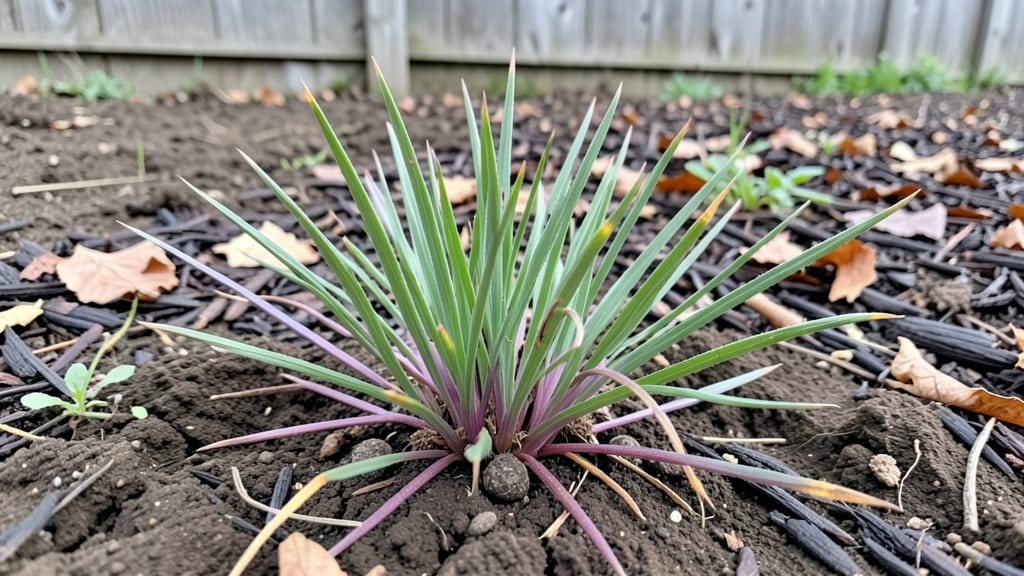
Red grass weed isn’t just an eyesore—it’s a lawn thief, stealing nutrients and crowding out your grass. 🌱 I’ve battled red thread and red fescue in my own yard, and the key to beating them lies in catching them at the right growth stage.
The moment you spot those telltale red hues creeping in, you’ve got a window to act before they take over.
Most people wait until the weeds are full-sized, but that’s when they’ve already won. Instead, focus on pre-emergence when the soil warms in spring—this stops them before they sprout. A simple mix of corn gluten meal and iron-based fertilizer suffocates young weeds while feeding your grass.
For established patches, hand-pulling in damp soil works better than you’d think, especially if you target the roots.
By the time summer rolls around, your lawn will look like it’s been professionally treated—thick, green, and free of those pesky red invaders. The secret? Consistency. Weekly checks, proper watering (deep but infrequent), and avoiding over-fertilizing keeps your grass competitive. Once you’ve got the upper hand, maintenance becomes effortless.
This works for both cool-season and warm-season grasses, though timing shifts slightly depending on your zone. The first step is always identification—red thread has long, thin blades with red threads, while red fescue stays clumped. Once you know your enemy, you can outsmart it every season.
Understanding The Root Causes
When red grass weed (often Trifolium pratense or Poa annua in red-stained forms) invades your lawn, it’s rarely a random event—it’s usually a response to specific conditions. Below, we break down the most common triggers, so you can address them directly and reclaim your lawn’s health.
###
🌱 Poor Soil Health & Nutrient Deficiencies
Red-stained grass weeds thrive when your lawn’s soil is imbalanced. These weeds often appear when:
- Nitrogen is low: Poa annua (a common red-tinged weed) loves nitrogen-poor soils. Without enough nitrogen, your turfgrass struggles, leaving gaps for weeds to move in.
- pH is off: Ideal lawn pH is 6.0–7.0. If your soil is too acidic (<5.5) or alkaline (>7.5), nutrient uptake fails, weakening grass and inviting weeds.
- Micronutrient shortages: Lack of iron, manganese, or zinc can cause yellowing or reddening in grass, mimicking weed coloration.
Actionable fix: Test your soil (DIY kits or lab tests) and amend with compost, lime (for acidity), or a balanced fertilizer (16-4-8 or 10-10-10). 💡 Pro tip: Top-dress with 1–2 inches of compost annually to improve soil structure and outcompete weeds.
###
💧 Irrigation Issues & Water Stress
Overwatering or underwatering creates the perfect storm for red-stained weeds. Here’s why:
- Excess moisture: Weeds like Poa annua tolerate soggy conditions better than most turfgrasses. Overwatering also leaches nutrients, further stressing your lawn.
- Drought stress: When grass wilts, it turns reddish-brown, making it look like weeds. Red clover (another red-tinged invader) fills in dry patches quickly.
- Inconsistent watering: Shallow, frequent watering encourages weed seeds to germinate while weakening deep-rooted grass.
Actionable fix:
- Water deeply 2–3 times per week (early morning) for 1–1.5 inches total.
- Check for leaky sprinklers—wet spots breed weeds.
- Improve drainage with sand or gypsum if your lawn holds water.
###
☀️ Sunlight & Shade Imbalances
Red-stained weeds often dominate in areas where sunlight is either too intense or lacking. The science:
- Too much sun: Heat stress turns grass reddish-purple, and weeds like red sorrel thrive in baked soil.
- Excess shade: Shady lawns (under trees or buildings) develop thin grass, inviting clover or moss (which can appear red-tinged).
- Sudden shade changes: Newly planted trees or structures create "shade shock," weakening grass and allowing weeds to take over.
Actionable fix:
- For sunny spots: Shade-tolerant grasses like fine fescue or mulch nearby trees to reduce heat.
- For shady areas: Overseed with shade grass (e.g., Kentucky bluegrass) in early fall.
- Use light-reflective mulch (like white gravel) under trees to boost grass growth.
###
🪴 Competition From Thatch & Dense Weed Mats
Thatch (a layer of dead grass and roots) and thick weed mats smother your lawn, creating red-tinged "stress zones." How it happens:
- Thatch buildup (>0.5 inches): Blocks water/nutrients, causing grass to turn reddish as it starves.
- Weed seed banks: Dandelions or clover drop seeds, which germinate when grass is weak.
- Compacted soil: Heavy foot traffic or machinery prevents roots from accessing air/water, turning grass reddish.
Actionable fix:
- Dethatch in early spring using a rake or vertical mower (set to 0.5-inch depth).
- Aerate compacted soil with a core aerator in fall or spring.
- Apply corn gluten meal (pre-emergent) in early spring to block weed seeds.
🎯 Key takeaway: Red-stained "weeds" are often your lawn’s distress signals. By fixing soil, water, light, and compaction issues, you’ll crowd out invaders naturally—no harsh chemicals needed!
Targeted Fixes for Stubborn Lawn Invaders
Red grass weed—whether it’s Poa annua, Digitaria sanguinalis, or another stubborn type—can turn your lawn into a patchwork of frustration. But the good news? Each stage of its life cycle offers a unique opportunity to stop it in its tracks.
Below, we break down the most effective fixes based on the weed’s growth phase, plus long-term prevention to keep your lawn lush and resilient.
🌱 Early Germination Stage: Stop It Before It Starts
When red grass weed first sprouts, it’s most vulnerable. Act fast with these methods:
🔥 Pre-Emergent Herbicides (Best for Prevention)
Apply a pre-emergent herbicide like prodiamine or dithiopyr in early spring (before weeds germinate). These create a chemical barrier that blocks seeds from sprouting.
- ⏰ Timing: Apply 4–6 weeks before red grass weed typically appears in your climate.
- 🌡️ Temperature: Wait until soil temps hit 55–60°F (pre-emergents work best in warm-season climates).
- 💡 Pro Tip: Water lightly after application to activate the herbicide without washing it away.
👨🍳 Manual Removal (For Small Patches)
If you spot tiny seedlings, pull them by hand or use a weed torch (for dry conditions). The key is to remove the entire root system—otherwise, it’ll regrow.
- 🔪 Tool Tip: Use a dandelion digger or your fingers to grip the base and lift gently.
- ⚠️ Warning: Avoid this method if the weed has spread widely—it’s labor-intensive and may miss hidden roots.
🌿 Active Growth Stage: Attack While It’s Weak
Once red grass weed has established roots and is actively growing, switch to post-emergent controls that target its leaves and energy stores.
🍳 Selective Herbicides (For Broadleaf & Grass Weeds)
Choose a herbicide based on the weed type:
| Weed Type | Recommended Herbicide | Application Notes |
|---|---|---|
| Poa annua (Annual Bluegrass) | Glyphosate (Roundup) or quinclorac (Drive) | Spray on a dry, wind-free day. For quinclorac, apply in early spring or fall when weeds are actively growing. |
| Digitaria sanguinalis (Large Crabgrass) | Mesotrione (Tenacity) or 2,4-D (for broadleaf control) | Use mesotrione as a foliar spray when weeds are 3–6 inches tall. For 2,4-D, mix with water and spray evenly. |
🔥 Solarization (For Organic Control)
Cover infested areas with clear plastic sheeting for 4–6 weeks in hot weather (75°F+). The trapped heat cooks weeds and seeds while preserving grass.
- ⏳ Best Time: Late spring or early summer.
- 🌡️ Effectiveness: Works best in dry, sunny conditions.
🌾 Seed & Root Stage: Break the Cycle
Mature red grass weed produces thousands of seeds and stores energy in its roots. To prevent regrowth:
🌡️ Deep Watering + Mowing Adjustments
Weak lawns invite weeds. Strengthen your turf to outcompete them:
- 💧 Water Deeply: Water 1–1.5 inches per week, encouraging deep grass roots that shade out weeds.
- ✂️ Mow High: Set your mower to 3–4 inches to block sunlight and crowd out weeds.
- 🌱 Overseed: Fill thin spots with cool-season grass seed (like Kentucky Bluegrass) in fall.
🔪 Root-Pruning with Vinegar (Spot Treatment)
For stubborn clumps, mix 1 gallon white vinegar + 1 oz dish soap + 1 cup salt in a spray bottle. Target the base of the weed on a sunny day. Reapply every 3–4 days until dead.
- ⚠️ Caution: This kills surrounding grass too—use a shield or apply carefully.
- 🌿 Follow-Up: Reseed the area after treatment.
🛡️ Long-Term Prevention: Keep Weeds Out for Good
Break the red grass weed cycle with these proactive strategies:
💡 Soil Health First
Weeds thrive in compacted or nutrient-poor soil. Test your soil and amend with:
- 🌱 Compost (1–2 inches worked into topsoil).
- 💪 Slow-release fertilizer (high in nitrogen for grass recovery).
- 🔄 Aerate annually to improve water/air flow.
🎯 Smart Lawn Care Calendar
Stay ahead with this seasonal schedule:
| Season | Action |
|---|---|
| Early Spring | Apply pre-emergent + overseed bare spots. |
| Summer | Monitor for new sprouts; hand-pull or spot-treat. |
| Fall | Aerate + fertilize to strengthen grass before winter. |
| Winter | Leave grass clippings as natural mulch. |
✨ Natural Deterrents
Reduce weed seeds with these barriers:
- 🌿 Corn Gluten Meal (apply in early spring as a natural pre-emergent).
- 🐝 Encourage Bees & Birds—they help control weed seeds.
- 🌱 Clover Mix (adds nitrogen and crowds out weeds naturally).
Remember: Consistency is key. Red grass weed may return if you skip a season of prevention—but with targeted action at each stage, you’ll reclaim your lawn in no time.
Frequently asked questions about red grass weeds
What are the most common types of red-stained grass weeds?
Look for Poa annua (annual bluegrass with reddish blades) or Digitaria sanguinalis (large crabgrass with reddish stems). Red thread (a fungal disease) can also turn grass reddish, but it’s not a weed—it’s a turf problem. Always confirm by checking root structure and growth patterns.
Can I use vinegar to kill red grass weeds without harming my lawn?
Vinegar works best for spot treatments on driveways or sidewalks, but it will kill surrounding grass too. For lawns, mix 1 gallon white vinegar + 1 oz dish soap + 1 cup salt and apply carefully with a shield. Follow up by reseeding the treated area. Best for stubborn clumps in non-critical zones.
Why do red grass weeds appear after overseeding?
Newly seeded lawns are vulnerable because the soil is disturbed, exposing weed seeds. Red grass weeds often thrive when grass is stressed from overseeding. To prevent this, apply corn gluten meal before seeding (it blocks weed germination) and keep your existing grass healthy with proper fertilization.
How long does it take to see results from pre-emergent herbicides?
Pre-emergents like prodiamine work immediately by creating a chemical barrier, but you won’t see visible results until weeds try to sprout (typically 4–6 weeks after application). For best coverage, apply when soil temps hit 55–60°F—this stops red grass weed seeds before they germinate.
Are red grass weeds harmful to my lawn beyond being unsightly?
Yes! They compete for water, nutrients, and sunlight, weakening your grass. Some types (like Poa annua) also spread aggressively via seeds, creating dense mats that smother turf. Left unchecked, they can reduce your lawn’s overall health and make it more prone to disease. Early intervention is key to preventing long-term damage.