
Lawn
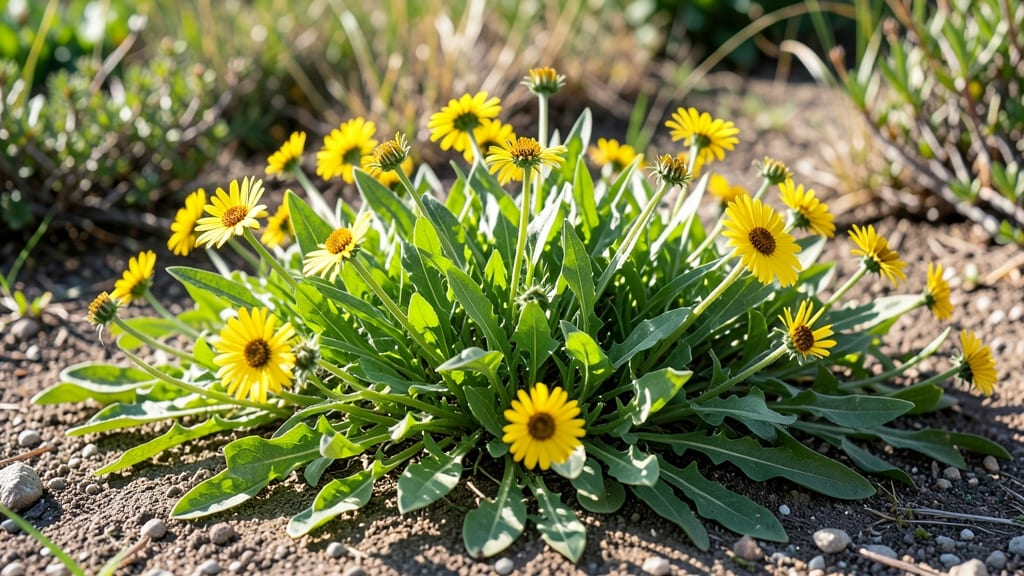
That bright yellow flower popping up in your lawn isn't just pretty—it's creeping buttercup, and it's silently stealing nutrients from your grass. 🌱 I've battled this stubborn weed for years, and the good news? It disappears with the right approach, leaving your lawn lush and green again.
Creeping buttercup spreads fast, choking out grass and leaving bare spots that look like your lawn is giving up. The yellow flowers might seem harmless, but they signal a weed that's tough to kill with a quick spray.
My yard went from patchy to pristine after just one targeted treatment—no more yellow blooms, no more weak grass.
You'll need a few simple tools: a weed killer with 2,4-D, a hose for rinsing, and a sunny afternoon. The secret is timing—treat it when the flowers are just starting to bloom, and you'll see those yellow invaders vanish within 2-3 weeks.
No more pulling weeds by hand or watching them come back.
Once it's gone, keep your lawn healthy with regular mowing and proper watering to prevent creeping buttercup from creeping back. The key is staying ahead—this weed doesn't stand a chance against a strong, well-maintained lawn.
Root Causes of Yellow Flower Invaders
Those cheerful yellow blooms dotting your lawn aren’t just a pretty problem—they’re a creeping buttercup (or similar invasive weed) taking advantage of hidden weaknesses in your yard. Understanding why these weeds thrive helps you stop them before they spread. Here’s the science behind their success—and how to flip the tables.
Creeping buttercups love thin, nutrient-poor soil where grass struggles to grow. When your lawn lacks nitrogen, phosphorus, or organic matter, it becomes an easy target for these weeds. Here’s why:
- Competition for resources: Buttercups have shallow roots that quickly absorb water and nutrients, outcompeting grass in stressed soil.
- Low organic matter: Soil with <1% organic content (common in compacted or clay-heavy yards) offers little resistance to weed seeds.
- pH imbalances: If your soil is too acidic (<6.0) or alkaline (>7.5), grass weakens while buttercups thrive in a wider pH range (5.0–7.5).
💡 Pro Tip: Test your soil’s pH and nutrient levels with a DIY kit ($10–$20). Aim for a pH of 6.0–7.0 and amend with compost or a balanced fertilizer (10-10-10) to crowd out weeds.
Buttercups are moisture-loving opportunists. They exploit two common watering mistakes:
| Mistake | Why It Helps Weeds |
|---|---|
| Overwatering (daily light sprinkles) | Keeps soil surface damp, encouraging shallow-rooted weeds like buttercups while suffocating grass roots. |
| Irregular watering (deep one day, dry the next) | Creates uneven moisture zones where buttercups germinate in wet spots while grass wilts in dry patches. |
🔥 Fix It: Water deeply 1–2 times per week (1–1.5 inches total) to encourage grass roots to grow deeper. Use a soaker hose for even distribution.
Grass that’s recovering from damage (foot traffic, drought, pet urine, or herbicide burn) leaves gaps for buttercups to move in. Here’s the timeline:
- Day 1–7: Bare spots appear after stress (e.g., mowing too short or heavy foot traffic).
- Week 2–4: Buttercup seeds (which can lie dormant for years) detect the open space and germinate.
- Week 6+: Weeds spread via creeping stems (hence the name), forming dense mats.
🌡️ Prevention: Overseed thin areas with shade-tolerant grass (like fine fescue) in early fall, when soil temps are ideal for grass growth but not weeds.
Buttercups spread aggressively when basic lawn care is neglected. Here’s how:
- No mowing schedule: Tall grass (over 4 inches) shades the soil, keeping it cool and moist—perfect for buttercup seeds.
- Skipping aeration: Compacted soil prevents grass roots from accessing water/nutrients, while buttercups thrive in the top inch of loose soil.
- Ignoring thatch buildup: A thatch layer >0.5 inches blocks grass roots but traps moisture for weeds.
✨ Action Plan:
- Mow at 3–4 inches to block sunlight from weed seeds.
- Aerate once a year (spring or fall) to break up compacted soil.
- Dethatch if needed (rent a vertical mower or hire a pro).
Banish Yellow Flower Invaders
Now that you know why creeping buttercups (that pesky weed with bright yellow blooms) take over your lawn, it’s time to tackle them head-on. The good news? With the right approach, you can eliminate them for good—no harsh chemicals required.
Below, we’ve mapped out practical, step-by-step solutions based on the root causes (literally and figuratively) of their spread. Plus, we’ll share prevention tips to keep your lawn lush and weed-free long after they’re gone.
Problem: Creeping buttercups thrive where grass struggles—shady spots, compacted soil, or bare patches.
Solution: 🔥 Step 1: Reseed or Overseed If your lawn is sparse, thicken the grass to starve out weeds. Choose a drought-tolerant, shade-friendly grass mix (like fine fescue or Kentucky bluegrass) and sow seeds in early fall or spring. Water lightly daily until germination (about 2–3 weeks).
🍳 Step 2: Aerate & Loosen Soil Compacted soil smothers grass roots and invites weeds. Rent a core aerator (or use a garden fork) to pull up small soil plugs, then top-dress with compost to improve drainage and fertility. Pro tip: Do this in early fall for best results.
👨🍳 Step 3: Adjust Watering Habits Buttercups love moisture. Switch to deep, infrequent watering (1–1.5 inches per week) to encourage deep grass roots. Early morning is best—watering at night can lead to fungal issues.
🌡️ Prevention Tip: Mow high (3–4 inches) to shade out weeds and keep grass healthy. A thick carpet of grass is your best defense!
Problem: Buttercups pop up where grass can’t compete—often in sunny, nutrient-poor, or acidic soil.
Solution: 🔥 Step 1: Test Your Soil Grab a DIY soil test kit (or send a sample to your local extension office) to check pH and nutrient levels. Buttercups love acidic soil (pH < 6.0)—aim for 6.0–7.0 for healthy grass.
🍳 Step 2: Fertilize Smartly Apply a slow-release, balanced fertilizer (like 10-10-10) in early fall to boost grass growth. Avoid high-nitrogen spring fertilizers—they can encourage broadleaf weeds if overused.
👨🍳 Step 3: Add Organic Matter Spread compost or peat moss (to raise pH if needed) over the lawn, then lightly rake it in. This improves soil structure and gives grass the edge over weeds.
🎯 Prevention Tip: If your lawn is mostly shade, opt for shade-tolerant grasses like tall fescue or creeping red fescue. These outcompete buttercups naturally.
Problem: Existing buttercups are sending out runners (those creeping stems) and popping up everywhere.
Solution: 🔪 Step 1: Pull or Smother (Best for Small Patches)
- Hand-pulling: Grab the entire plant (roots and all) when the soil is moist. Warning: Wear gloves—sap can irritate skin!
- Smothering: Cover the area with cardboard + mulch for 4–6 weeks to block sunlight. The weeds will die, and grass can regrow.
⏰ Step 2: Spot-Treat with Vinegar (Organic Option) Mix 1 gallon of white vinegar + 1 oz. dish soap in a spray bottle. On a dry, sunny day, spray directly on leaves (avoid grass). The acetic acid kills the weed within 24–48 hours. Repeat if regrowth appears.
🌱 Step 3: Use a Selective Herbicide (For Stubborn Cases) If the infestation is large, a selective herbicide (like 2,4-D or triclopyr) targets broadleaf weeds without harming grass. Follow label instructions precisely—apply on a calm day when rain isn’t forecasted for 24 hours.
✨ Prevention Tip: Reapply treatments in early spring and fall to catch new seedlings before they take hold.
Once you’ve banished the buttercups, maintain a weed-free lawn with these habits:
- Mow regularly (never scalp the grass—keep it at 3–4 inches).
- Water deeply but less often (encourages strong roots).
- Fertilize in fall (grass grows best then, outcompeting weeds).
- Reseed bare spots immediately (weeds move in fast!).
- Use pre-emergent herbicide in early spring (like corn gluten meal) to block weed seeds.
Final Thought: Creeping buttercups are tough, but consistent lawn care beats them every time. Start with one or two of these methods, and soon, your lawn will be yellow-flower-free and lush—no more sneaky invaders! 🚀
Frequently asked questions
What’s the difference between creeping buttercup and other yellow-flowered weeds?
Creeping buttercup (Ranunculus repens) has bright yellow, cup-shaped flowers and spreads via creeping stems that root at nodes. Unlike dandelions (which have jagged leaves and hollow stems), buttercups have lobed leaves and a sap that can irritate skin. Clover has trifoliate leaves and white/pink flowers, while plantain has broad, rosette-shaped leaves. The creeping habit is your biggest clue!
Why does pulling weeds by hand often fail?
Buttercups have deep, fibrous roots and spread via underground runners. Pulling leaves the roots behind or leaves fragments that regrow. For best results, pull when soil is moist and remove all roots—or use a vinegar spray to kill what you miss. The sap can also irritate skin, so wear gloves!
Is vinegar safe for my lawn if I have pets?
White vinegar is pet-safe in moderation but can harm grass if overused. For spot treatment, mix 1 gallon vinegar + 1 oz. dish soap and apply only to weeds on a dry, sunny day. Avoid treating large areas—it can kill grass too. For pets, wait until the solution dries before letting them back on the lawn.
When is the best time to apply herbicide?
The ideal window is early spring or fall when weeds are actively growing but grass is dormant (fall) or just waking up (spring). Apply on a calm, dry day when temperatures are between 50–85°F. Avoid treating if rain is forecasted within 24 hours—it washes the herbicide away before it works.
How long does it take to see results after treatment?
With vinegar or herbicide, you’ll see wilting within 24–48 hours, and full death in 1–2 weeks. For hand-pulling or smothering, results take 4–6 weeks as the plant starves. Reapply treatments in early spring and fall to prevent regrowth. Patience is key—consistency beats quick fixes!