
Pests
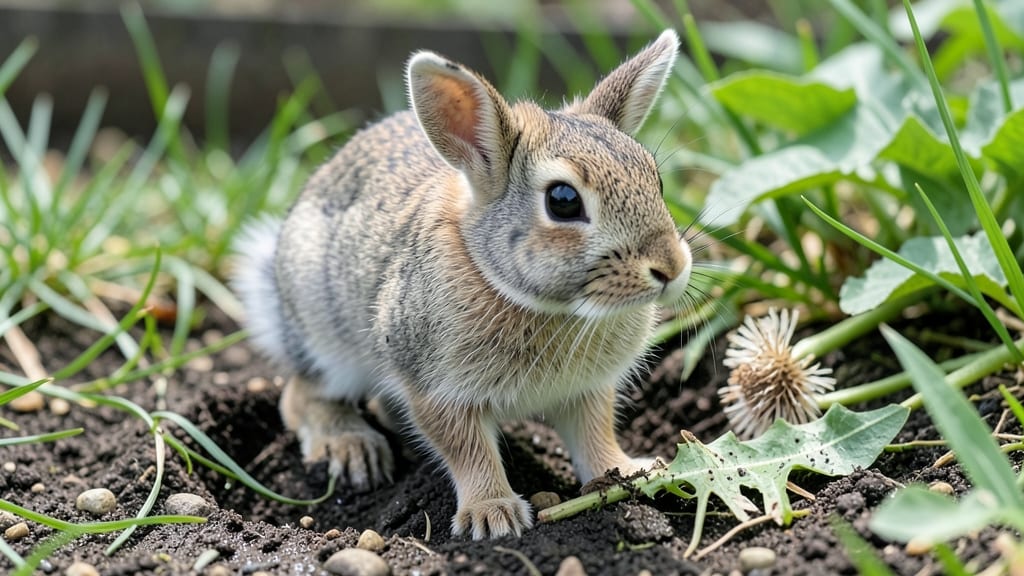
My lawn used to look like a rabbit hole grass takeover—patches of purple heart grass spreading everywhere. 🌱 This fast-growing ground cover isn't just a weed; it's a lawn-friendly solution that crowds out weeds in just three weeks when managed right.
The secret lies in its aggressive growth habit, which you can harness instead of fighting.
Start by planting 3-inch stems in full sun to partial shade, spacing them 12 inches apart in well-draining soil. It thrives in zones 9-11 but can be grown as an annual in cooler climates.
Water lightly after planting, then let it spread naturally—no need for heavy watering once established. The key is pruning back leggy growth every few weeks to keep it dense and weed-free.
Within three weeks, you'll see thick, purple foliage smothering weeds and filling bare spots. The plant stays low to the ground, making it perfect for borders, slopes, or under trees.
Just watch for spider mites in dry conditions—spray with water to deter them. It’s low-maintenance once it takes hold, turning problem areas into lush, vibrant ground cover.
Works best in hot, dry climates but adapts well to containers if you live in cooler zones. The before-and-after transformation is shocking—what was once a messy lawn becomes a neat, weed-free carpet that even rabbits can’t resist nibbling (hence the name!). Here’s how to keep it thriving without the chaos.
Why it happens
That stubborn, invasive grass creeping into your lawn isn’t just an eyesore—it’s a survival strategy. Understanding why it spreads aggressively is the first step to reclaiming your yard. Below, we break down the science behind its relentless growth and how environmental factors fuel its dominance.
🌱 Aggressive Root Systems & Rhizome Growth
Grasses like rabbit hole grass (often Cynodon dactylon or Bermuda grass variants) thrive because of their rhizomes—horizontal underground stems that act like natural pipelines. These rhizomes:
- Store nutrients for rapid regrowth after mowing or drought.
- Spread outward up to 24 inches per year, colonizing bare spots faster than most lawn grasses.
- Compete for water by accessing deep soil layers, outmuscling weaker plants.
Actionable fix: Hand-pull or solarize infested patches in summer (cover with clear plastic for 4–6 weeks to kill rhizomes).
🌞 Sunlight & Heat Love
This grass is a sun-worshipper. It thrives in:
- Full sunlight (6+ hours/day)—shady areas slow its growth but don’t stop it.
- Hot climates (Zones 7–10), where it goes dormant in winter but rebounds fiercely in spring.
- Poorly drained soil, where it outcompetes moisture-loving grasses.
Science note: Its C4 photosynthesis (a high-efficiency process) lets it photosynthesize even in heat, while cool-season grasses wilt. Actionable fix: Overseed with shade-tolerant grasses (like fine fescue) and improve drainage with gypsum or sand.
🚜 Lawn Care Mistakes That Help It Win
Human habits accidentally give invasive grass an edge:
| Mistake | How It Helps the Grass | Fix It |
|---|---|---|
| Mowing too short | Weakens turfgrass roots, leaving gaps for invaders. | Set mower blades to 3–4 inches to shade out weeds. |
| Over-fertilizing | Encourages fast, shallow growth that chokes slower grasses. | Use slow-release, balanced fertilizer (10-10-10) in spring/fall. |
| Ignoring bare spots | Empty soil = free real estate for rhizomes to spread. | Reseed or apply pre-emergent herbicide in early spring. |
Pro tip: 💡 Prevent gaps by aerating compacted soil in fall and top-dressing with compost.
🐞 Pest & Disease Resistance
This grass is a survivor. Its tough, waxy leaves repel:
- Grasshoppers (they prefer softer blades).
- Fungal diseases (like brown patch), thanks to natural chemical defenses.
- Herbicide damage—it often recovers faster than broadleaf weeds.
Actionable fix: Target it with post-emergent herbicides containing mesotrione or glyphosate (for spot treatment), but apply before it seeds in late summer.
How to solve it
If rabbit hole grass—or any aggressive ground cover—has taken over your lawn, don’t panic. With the right approach, you can reclaim control in just a few weeks. Below are targeted solutions based on the most common causes of spread, along with proactive tips to keep it from returning.
🔥 1. Manual Removal for Small Infestations
For patches under 10 square feet, hand-pulling is the fastest and most effective method. Work when the soil is moist (after rain or watering) to loosen roots.
- 🍳 Dig deep: Use a trowel or garden fork to pry out the entire root system—even small fragments can regrow.
- 👨🍳 Wear gloves: Rabbit hole grass can be prickly; protect your hands to avoid irritation.
- 🥘 Dispose properly: Seal pulled weeds in a plastic bag and toss them in the trash (composting can spread seeds).
Pro tip: 💡 Time your removal right—early morning or late evening reduces stress on the plant, making it easier to pull.
🔪 2. Chemical Control for Larger Areas
If the grass has spread beyond manual control, targeted herbicides can help. Pre-emergent herbicides (applied in early spring) prevent new growth, while post-emergent options (like glyphosate or triclopyr) kill existing plants.
- ⏰ Apply at the right time: Post-emergent herbicides work best when the grass is actively growing (spring or fall). Avoid treating during drought or extreme heat.
- 🎯 Spot-treat carefully: Use a pump sprayer or brush-on applicator to avoid damaging your lawn. Follow label instructions for dilution and safety.
- 🌡️ Reapply if needed: Some herbicides require 2-3 applications spaced 7–10 days apart for full effectiveness.
Safety note: Wear protective gear (gloves, goggles, long sleeves) and avoid treating on windy days to prevent drift onto desirable plants.
🌱 3. Natural Barriers and Smothering
For organic solutions, create physical barriers or smother the grass to starve it of sunlight. This is ideal for eco-conscious gardeners or areas with children/pets.
- 📊 Cardboard or landscape fabric: Lay down thick cardboard (ink-free) or fabric over the affected area, securing edges with soil or rocks. Leave in place for 4–6 weeks to block light.
- 🥗 Mulch or thick ground cover: Spread 3–4 inches of mulch (straw or wood chips) or plant dense ground covers like clover or creeping thyme to outcompete the grass.
- ✨ Solarization (for extreme cases): Cover the area with clear plastic sheeting for 4–6 weeks in hot sun. The trapped heat kills roots and seeds.
Prevention tip: 🔥 After smothering, overseed with a competitive grass variety (like tall fescue) to fill bare spots and prevent regrowth.
🛡️ 4. Long-Term Prevention Strategies
Once your lawn is back under control, take these steps to keep rabbit hole grass from returning:
- 💪 Mow high: Keep your lawn at 3–4 inches tall to shade out weeds and encourage thick turf growth.
- 🍎 Fertilize regularly: A balanced fertilizer (high in nitrogen) promotes healthy grass that crowds out intruders.
- 🎯 Address bare spots: Repair thin or patchy areas immediately with seed or sod to eliminate gaps where weeds can take hold.
- 🌿 Water deeply but infrequently: Encourage deep root growth with 1–1.5 inches of water per week, reducing weed-friendly shallow moisture.
Bonus tip: 🌱 Introduce beneficial nematodes or mycorrhizal fungi to your soil—they naturally suppress weed seeds and strengthen grass roots.
Frequently asked questions about rabbit hole grass
Is rabbit hole grass safe for pets or children?
While rabbit hole grass (like Tradescantia pallida) isn't toxic, its sap can irritate skin and may cause mild stomach upset if ingested. Keep it out of reach of pets that chew plants. The purple foliage is non-toxic to humans, but always supervise kids playing near it to avoid sap contact.
How fast does rabbit hole grass spread?
This plant spreads aggressively via runners and stem cuttings, covering 12-18 inches per season under ideal conditions. In containers, it stays contained, but in gardens, it can smother weeds in just 3-4 weeks if not pruned regularly. Trim back leggy growth monthly to control its spread.
Can rabbit hole grass grow in shade?
It thrives in full sun (6+ hours/day) but tolerates partial shade (3-4 hours). In deep shade (<2 hours sun), growth slows dramatically, and the purple color fades to green. For shaded areas, pair it with shade-loving plants like ferns or hostas for contrast.
What's the best way to propagate rabbit hole grass?
Use stem cuttings (3-4 inches long)—simply snip healthy stems, remove lower leaves, and place in water or moist soil. Roots form in 1-2 weeks. For faster results, dip cuttings in rooting hormone before planting. This method works year-round indoors.
Why is my rabbit hole grass turning yellow?
Yellowing usually indicates overwatering or poor drainage. Let soil dry slightly between waterings—this plant prefers moderate moisture. Check for root rot if yellowing spreads. Also ensure it gets enough light; pale yellow leaves suggest insufficient sunlight.