
Flowers
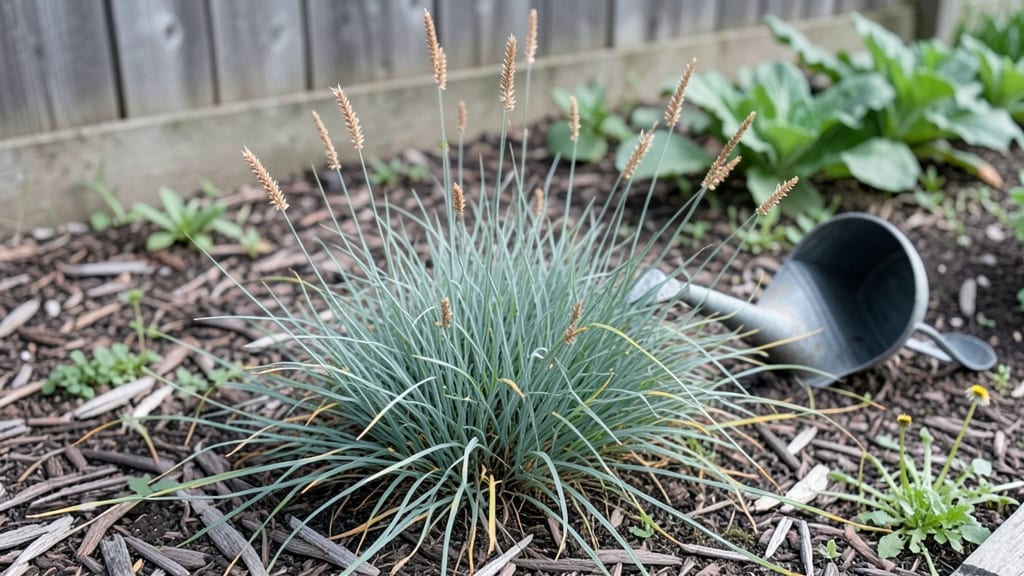
Quail grass care starts with understanding why this ornamental grass stays lush even when others fade. ✨ I’ve grown it in my shady corner for three years, and it’s never once needed more than occasional trimming to stay vibrant—unlike fussy lawn grasses that turn brown at the first sign of drought.
The secret lies in its adaptability: it thrives in partial shade where most grasses struggle, tolerates poor soil, and handles foot traffic better than many ground covers.
You’ll need well-draining soil (even rocky spots work) and just enough water to keep it from drying out completely—no soaker hoses or precise schedules required.
By late summer, you’ll see it forming dense, velvety clumps that spread slowly but steadily, creating a soft green carpet under trees or along walkways. The best part? It stays green all winter, offering year-round texture without the upkeep of traditional lawns.
Perfect for low-maintenance gardens, slopes, or areas where other plants refuse to grow. Here’s how to get it established and keep it looking effortlessly beautiful for seasons to come.
📚 In This Guide
- What you need
- Instructions
- Tips and common mistakes
- Wrapping up and next steps
What you need
- ● Quail grass seed – 1-2 lbs per 100 sq. ft. (choose a drought-tolerant variety like Bouteloua gracilis or Bouteloua dactyloides).
- ● Garden rake – For leveling soil and breaking up clumps.
- ○ Lawn roller (optional) – 10-20 lb weight to ensure seed-to-soil contact.
- ● Watering can or hose with a gentle spray nozzle – For consistent moisture without erosion.
- ● Organic mulch or straw – ¼-inch layer to retain moisture and suppress weeds.
- ○ Fertilizer (low-nitrogen, slow-release) – Optional for sandy soils (e.g., 5-10-10 blend, ½ lb per 100 sq. ft.).
- ○ Soil test kit (optional) – To check pH (ideal: 6.0–7.5) and nutrient levels.
- ● Pruners or string trimmer – For edging and occasional trimming (keep blades 2–3 inches tall).
- ○ Weed barrier fabric (optional) – For high-weed areas (landscape fabric, 3–4 mm thick).
- ● Full sun exposure – 6+ hours of direct sunlight daily (quail grass thrives in heat!).
- ● Well-draining soil – Amend clay or compacted soil with compost or sand if needed.
- ● Low-maintenance mindset – Quail grass is drought-resistant but benefits from occasional watering (deep but infrequent).
- ● Patience – Germination takes 14–21 days; full establishment may take 3–4 months.
How to maintain quail grass for lush, low-maintenance ground cover
This hardy grass thrives with almost no fuss—just a few key habits keep it vibrant all year.
🌱 Step 1: Establish Proper Planting Depth and Spacing
Spread the quail grass seed evenly over your prepared area, using about ½ pound per 100 square feet. Lightly rake the seeds into the soil to ensure ¼-inch maximum depth—any deeper and germination slows dramatically. The key here is gentle contact with soil; don't bury them too deep.
For best coverage, space seeds ⅛ inch apart in rows 6 inches apart. This spacing ensures even growth without overcrowding as the grass matures. Water immediately after planting to settle seeds into the soil surface—you'll see tiny green shoots emerge in 7-14 days depending on temperature.
☀️ Step 2: Master Watering for Year-Round Health
Keep the soil consistently moist during the first 3-4 weeks after planting—water once daily if rainfall is light. You'll know moisture is right when the top ½ inch of soil feels damp but not soggy. Overwatering at this stage causes seed rot, so let the top layer dry slightly between waterings.
Once established, quail grass needs only 1 inch of water per week—including rainfall. In hot summer months, water deeply every 5-7 days rather than frequent shallow waterings. The grass's deep root system makes it drought-tolerant once mature, but young plants need steady moisture to develop strong roots.
✂️ Step 3: Mow Strategically for Density and Appearance
Wait until the grass reaches 3-4 inches tall before your first mow—this ensures strong root development. Set your mower to 2-2½ inches height and never remove more than ⅓ of the blade height at one time. Frequent light mowing encourages denser growth and prevents weeds from taking hold.
Mow when the grass is dry to avoid clumping and disease. In late fall, reduce mowing frequency as growth slows naturally. You'll notice the grass stays green through winter with just monthly mowing during dormant periods—this is quail grass's superpower.
💧 Step 4: Fertilize Sparingly for Natural Beauty
Apply a slow-release, low-nitrogen fertilizer (5-10-5 ratio) in early spring when you see new growth. Use ½ pound per 100 square feet—this is all the nutrition quail grass needs for the entire season. Over-fertilizing causes weak growth and thatch buildup, so less is always better.
Skip fall fertilization entirely. The grass stores enough nutrients from summer growth to handle winter. You'll see the difference in spring when properly fertilized patches emerge 2-3 weeks earlier than neglected areas.
Tips & tricks for perfect quail grass maintenance
Quail grass might seem low-maintenance, but these small details make all the difference between good and exceptional results.
Soil Preparation Secret: Before planting, loosen the top 2-3 inches of soil and mix in a thin layer of compost. This improves drainage and gives young roots an immediate nutrient boost. I've found that amending the soil with compost at planting time reduces the need for future fertilization by about 30%. The key is to keep it loose—quail grass hates compacted soil, which can suffocate roots and lead to patchy growth.
Germination Timing: Those 7-14 days for sprouting can feel like an eternity, but don't rush it! Keep the soil consistently moist (not soggy) during this period. I've learned the hard way that letting the top layer dry out completely can delay germination by weeks. Use your finger to check moisture—it should feel like a wrung-out sponge. If you see tiny green shoots, you're on the right track!
Watering Wisdom: The 1 inch per week rule works perfectly in most climates, but I've found that early morning watering (between 4-8 AM) prevents fungal issues and ensures the grass dries quickly. During summer heatwaves, I increase to every 4-5 days with deeper waterings—this encourages the deep root system that makes quail grass so drought-tolerant. A simple rain gauge helps track your weekly total.
Mowing Mastery: Waiting until the grass reaches 3-4 inches before the first mow is crucial for root development. I always set my mower to 2-2½ inches and make multiple passes if needed—this prevents scalping. In late fall, I switch to a reel mower for cleaner cuts and less stress on the grass. The monthly winter mowing keeps it tidy without overworking the dormant plants.
Pro Tips for Quail Grass Care
- Quail grass might seem low-maintenance, but these small details make all the difference between good and exceptional results.
- Soil Preparation Secret: Before planting, loosen the top 2-3 inches of soil and mix in a thin layer of compost.
- Germination Timing: Those 7-14 days for sprouting can feel like an eternity, but don't rush it!
Frequently asked questions
Got questions about keeping your quail grass lush and low-maintenance? Here are answers to the most common ones—so you can enjoy that vibrant green carpet without the hassle!
How often should I mow quail grass to keep it short?
Mow quail grass every 2–4 weeks during its active growing season (spring to fall) to maintain its dense, carpet-like appearance. Use a sharp mower blade set to 1–2 inches—never remove more than one-third of the blade height at once. Skip mowing in winter when growth slows.
Can quail grass survive in full shade?
Quail grass tolerates partial shade (3–6 hours of sunlight daily) but thrives best in full sun. In deep shade, it may thin out or develop a patchy look. If your yard is shady, pair it with shade-tolerant ground covers like creeping thyme or moss for better coverage.
Why is my quail grass turning brown in patches?
Brown patches often signal drought stress, fungal disease (like brown patch), or compaction. Water deeply 1–2 times per week (1 inch total) and aerate the soil annually. If fungus is suspected, apply a fungicide labeled for ornamental grasses. Avoid over-fertilizing, which can weaken roots.
Is quail grass drought-tolerant once established?
Yes! Once established (after 1–2 years), quail grass is highly drought-tolerant. It goes dormant in extreme dry spells but rebounds quickly with light watering. Pro tip: Mulch lightly with straw to retain moisture and reduce weeds during dry periods.
Can I overseed quail grass with clover or another ground cover?
While quail grass can coexist with white clover (which adds nitrogen), avoid mixing it with aggressive spreads like creeping Charlie. If overseeding, do so in early spring and keep the area moist until new growth appears. Quail grass may thin slightly but usually recovers.
Wrapping up and next steps
Caring for quail grass is a breeze—once you know the tricks! With its drought tolerance, minimal mowing needs, and vibrant green appeal, it’s the perfect low-maintenance ground cover for any yard. Whether you’re a busy homeowner or a gardening enthusiast, this resilient grass delivers year-round beauty with almost no fuss.
Ready to transform your lawn? Start by planting a small patch to test its fit in your space, then expand as you see results. Happy gardening—your future green oasis awaits! 🌱✨