
Fertilization
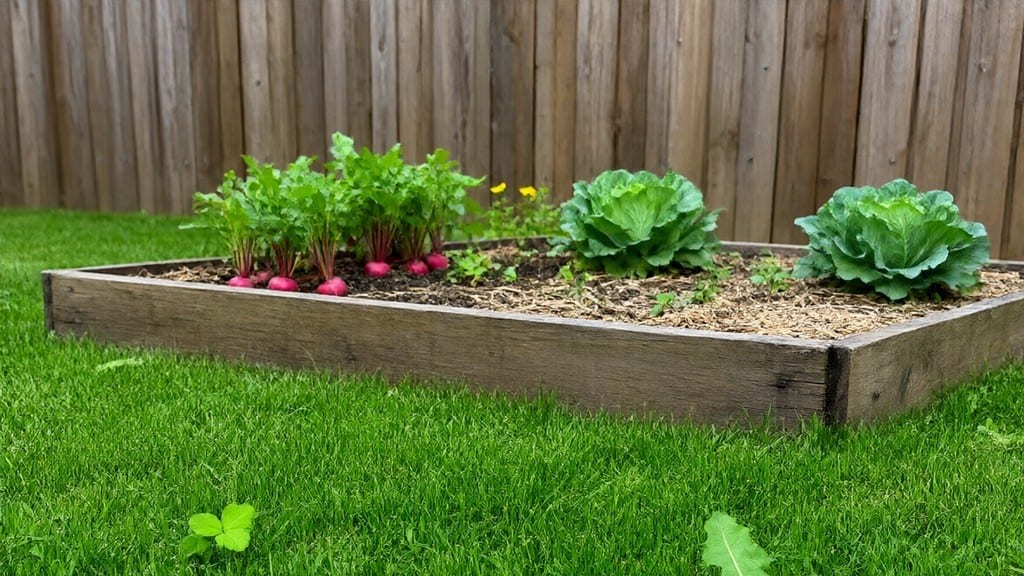
Grass clippings act like a natural fertilizer because they break down quickly, releasing nitrogen that plants crave for leafy growth. 🌱 The key is keeping them finely cut—long clumps create thatch, blocking air and water from reaching roots.
I’ve found that spreading a ¼-inch layer works best, especially around vegetables or flowers, while avoiding thick piles that can trap moisture and invite fungus. For best results, use clippings from untreated lawns and apply them when soil is warm but not baking hot.
If your grass is thick or clumpy, consider drying them first or mixing with other compost materials to balance the carbon-to-nitrogen ratio. This prevents soil from becoming too acidic or smelly.
For pathways or mulch, you can even let them dry completely before spreading—just avoid areas where weeds might sprout from buried seeds in the clippings.
💡 In This Article
- How Grass Clippings Improve Soil Health
- Best Practices for Using Grass Clippings Safely
How grass clippings improve soil health
Grass clippings act as a natural nitrogen booster because they contain about 4% nitrogen by dry weight, which is roughly twice the amount found in cow manure. When finely chopped and spread thinly, they decompose rapidly—sometimes within 2-4 weeks—thanks to their high moisture content and cellulose structure.
This process releases ammonia, which soil bacteria then convert into nitrate, the form plants can absorb for lush, green growth. The breakdown also stimulates microbial activity, creating a thriving ecosystem that improves soil aeration and water retention.
Here's what's actually happening at the microbial level: Clippings provide both food and habitat for decomposers like bacteria and fungi. These organisms break down the organic matter into simpler compounds, releasing 10-20% of their nitrogen content into the soil during decomposition.
Fresh clippings release nutrients faster but can create a temporary nitrogen spike that may burn tender plants. Dried clippings, however, decompose more slowly, providing a steady nutrient release over 4-6 weeks while improving soil structure by adding organic matter that holds moisture like a sponge.
The carbon-to-nitrogen ratio is critical here—fresh grass clippings have a ratio of about 15:1, which is ideal for decomposition. When you spread them thinly (¼-inch layer), they decompose without robbing the soil of nitrogen.
But if you pile them too thickly, the ratio shifts, slowing decomposition and potentially creating anaerobic conditions that produce foul odors. This is why mulching clippings directly after mowing works best—they decompose before they can smother plants or attract pests.
Dried clippings offer additional benefits beyond nitrogen. Their fibrous structure improves soil tilth by creating air pockets that enhance root growth, while their ability to hold 2-3 times their weight in water helps prevent erosion and reduces evaporation.
In my garden, I've noticed that areas mulched with dried clippings stay moist longer after rain, and vegetables like tomatoes thrive with fewer waterings. The contrast between fresh and dried clippings is striking—fresh ones work like a quick fertilizer, while dried ones act more like a slow-release soil conditioner.
What most people don't realize is how clippings improve soil structure over time. The organic matter they contribute helps bind soil particles together, creating aggregates that improve drainage while retaining moisture. This is particularly valuable in sandy soils that drain too quickly or clay soils that compact easily.
For example, adding clippings to a raised bed can transform it from a dry, crumbly mess to a rich, loamy medium within just a few months. The key is consistency—regular applications build soil health gradually rather than providing short-term fixes.
For best results, aim to spread clippings when your lawn is actively growing (spring and fall) and avoid using them if your grass has been treated with herbicides or fungicides. The chemicals can linger in the clippings and harm your garden plants.
Instead, use clippings from organic lawns or areas you've confirmed are chemical-free. This simple practice can turn what was once yard waste into one of your garden's most valuable resources. 🌱